Nearly every headline commodity price you see, oil, wheat, gold, natural gas, is a futures price. It is not the price of a barrel of oil sitting in a tank today, but the price of a contract to deliver one later. Understanding what that contract is, and who trades it, explains how the world sets the price of the raw materials everything else is built from. This explainer follows the US Commodity Futures Trading Commission's own basics.
What a futures contract is
A futures contract is, in the CFTC's words, "an agreement to buy or sell a particular commodity at a future date," where "the price and the amount of the commodity are fixed at the time of the agreement." That is the whole idea in one sentence. Two parties agree today on a price and a quantity for something that will change hands months from now.
Because the price is locked in now but the delivery is later, a futures contract is a way of transferring the risk of a price change from one party to another. Whoever is on the other side of your contract has agreed to take the opposite bet.
Who trades them, and why
The CFTC divides participants into two groups, and the distinction is the key to the whole market. There are hedgers, who trade "to reduce the financial risk from a change in price," and there are speculators, who "attempt to profit" from price movements.
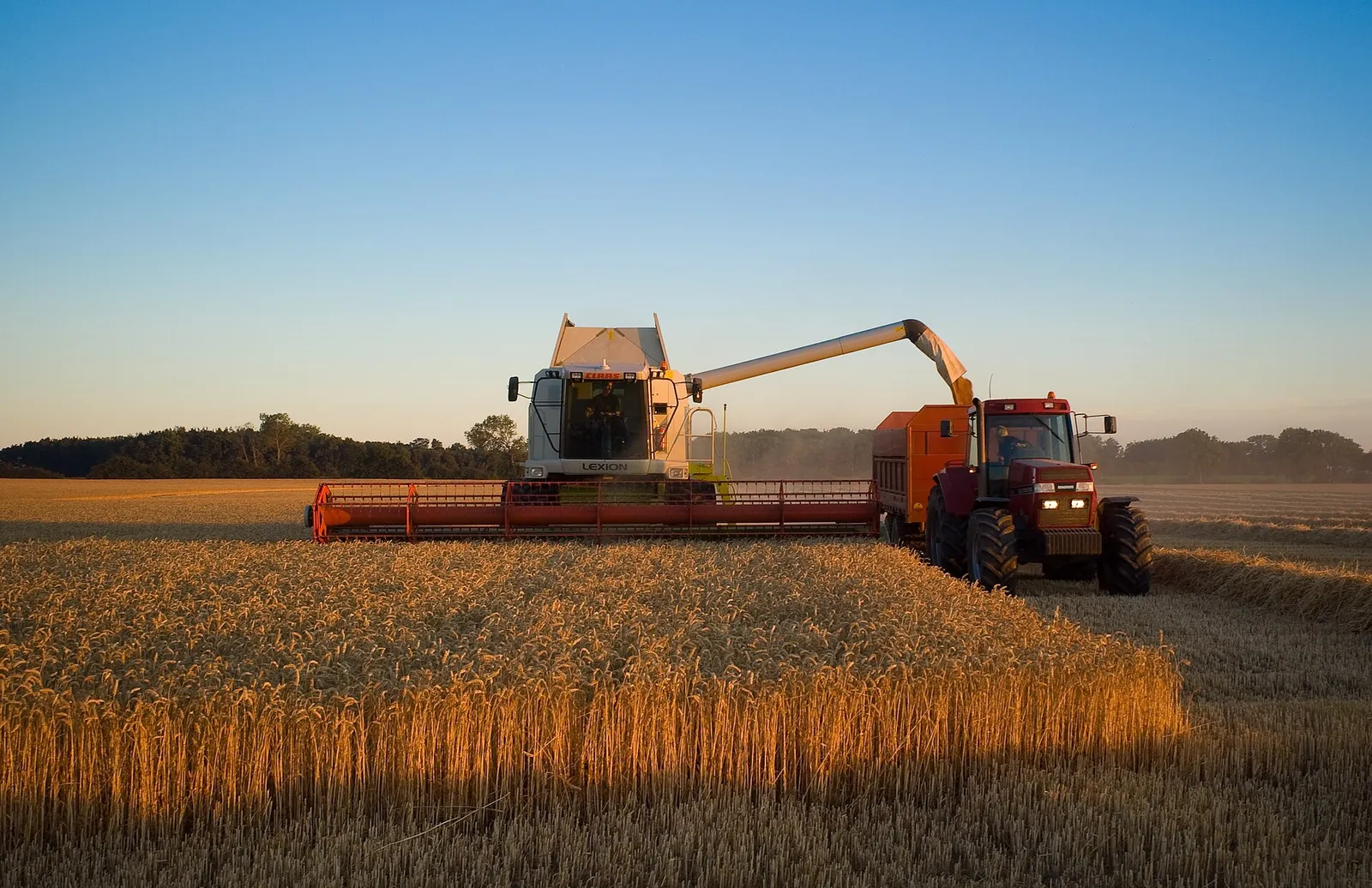
A hedger has a real-world exposure they want to neutralize. A farmer who will harvest wheat in the autumn can sell wheat futures now to lock in a price, so that a fall in the market before harvest does not wipe out their income. An airline, which must buy jet fuel for years to come, can buy oil futures to fix its costs and protect itself from a spike. For these players, futures are insurance, not a gamble.
A speculator has no barrels or bushels to protect. They take on the price risk the hedgers want to shed, hoping to profit if the market moves their way. That sounds parasitic, but it is essential: without speculators willing to take the other side, hedgers would often find no one to trade with. Speculators provide the liquidity that makes hedging possible.
Delivery, or not
A common misconception is that futures traders end up with tankers of crude on their doorstep. Almost none do. While the CFTC notes that "most contracts contemplate that the agreement will be fulfilled by actual delivery of the commodity," it also points out that "most contracts are liquidated before the delivery date," and that "some contracts allow cash settlement in lieu of delivery."
In practice, the great majority of contracts are closed out before they expire, the holder simply makes an offsetting trade, so no physical commodity ever changes hands for them. Others settle in cash against a reference price rather than by delivery. The link to the physical commodity still anchors the price, but the trading itself is overwhelmingly financial.
Where they trade
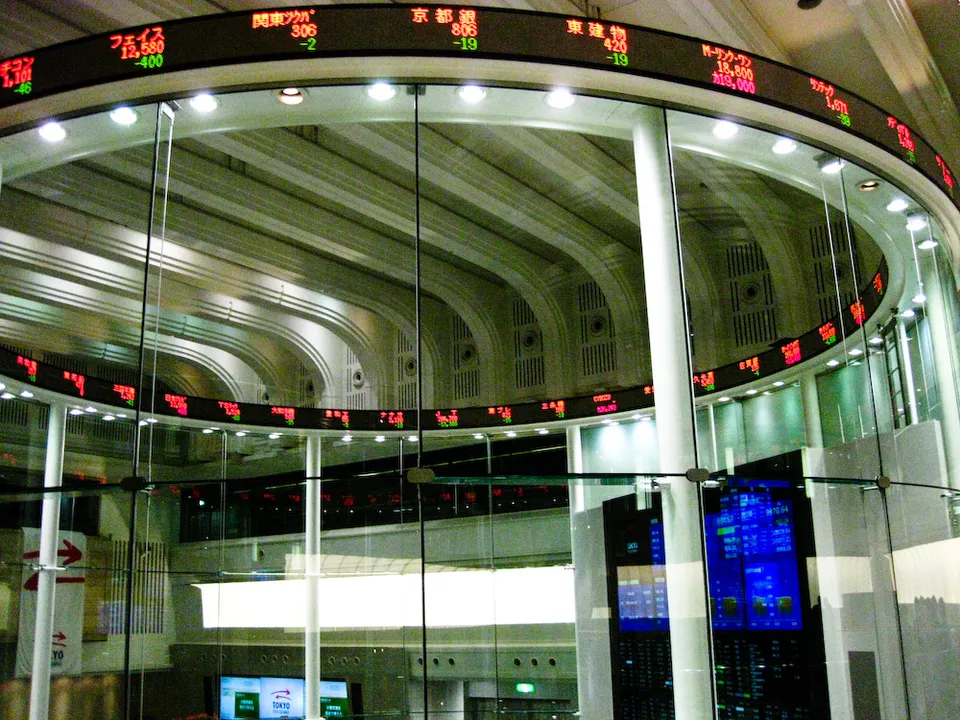
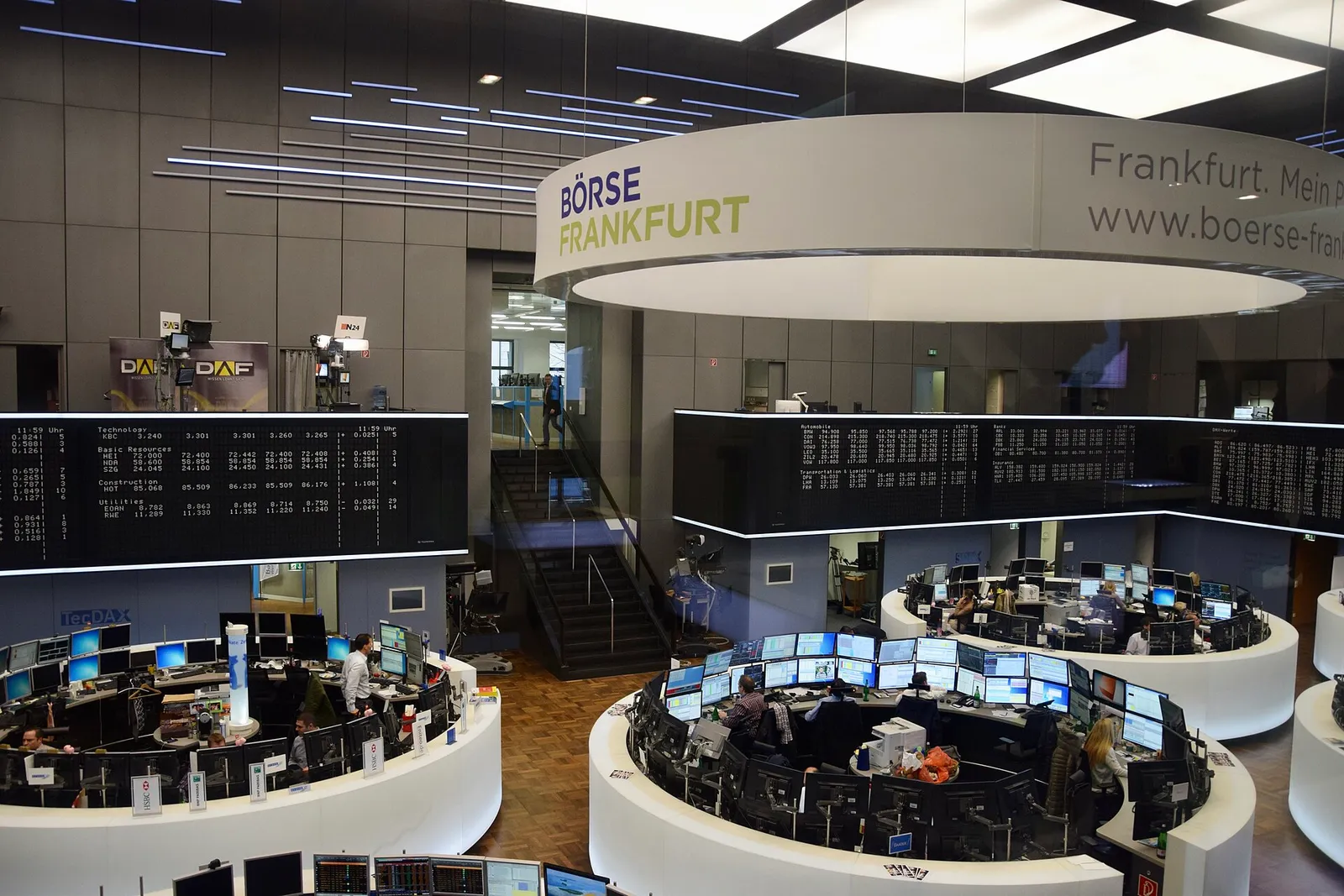
Futures are not private handshakes. As the CFTC explains, "commodity futures and options must be traded through an exchange" by firms registered with the regulator. Standardized contracts trading on a regulated exchange are what make the market work: everyone is trading the same defined contract, prices are public, and a clearing system stands between buyer and seller so that neither has to worry about the other defaulting. That standardization and oversight is what turns scattered bets into a single, trusted price.
Why this sets the oil price
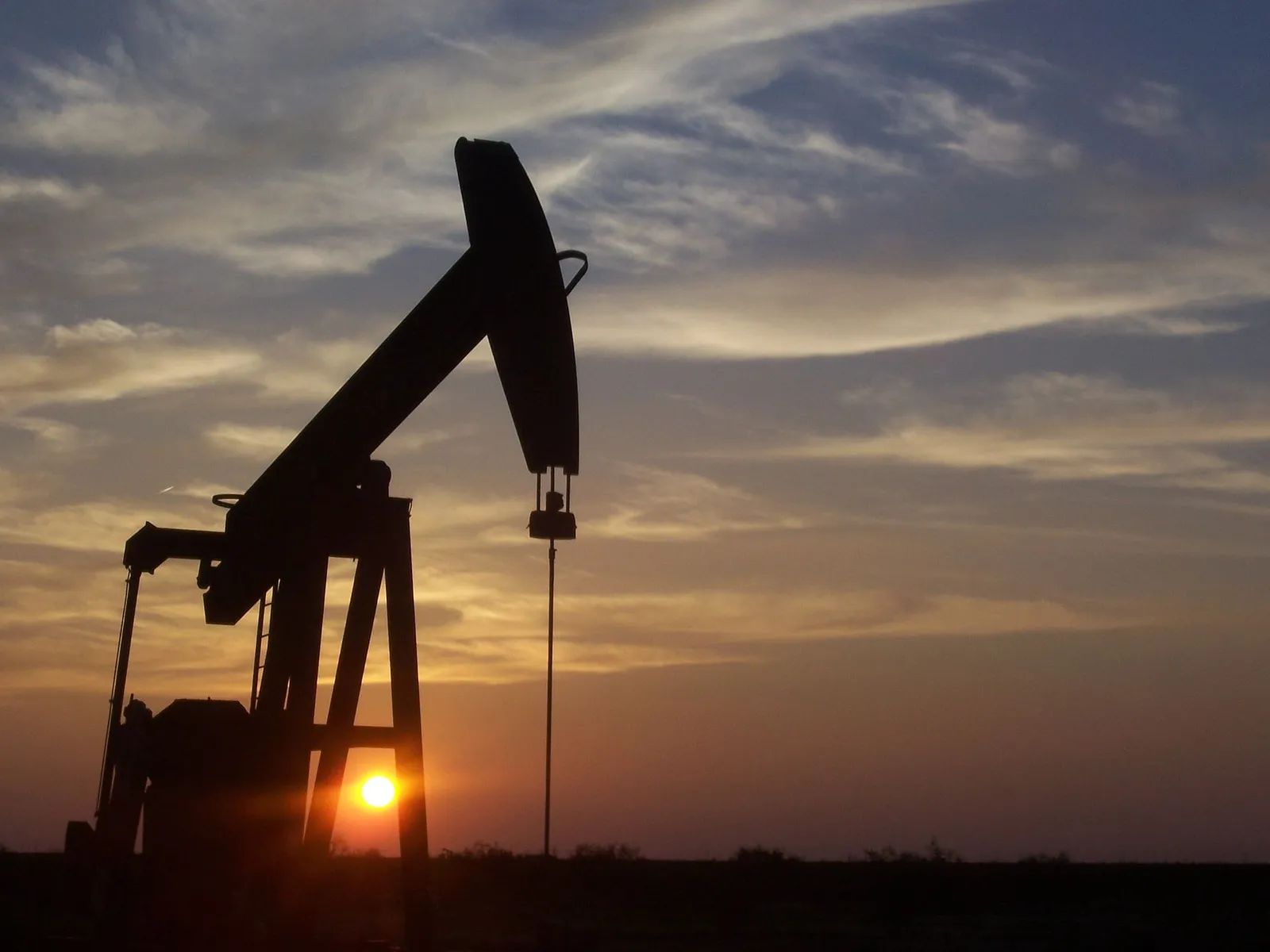
This is why "the price of oil" is really a futures price. The benchmarks the whole world quotes, like Brent and West Texas Intermediate, are futures contracts trading on exchanges. When the market digests news, a conflict, an OPEC decision, a demand forecast, it does so by moving those futures prices, second by second. The futures market is where the collective guess about future supply and demand gets turned into a single number.
That number then ripples outward. It feeds the price at the pump, the cost of an airline ticket, the profits of an oil producer, and the inflation figures that central banks watch. The futures market is the machine that discovers the price; almost everything else references its output.
The takeaway
Futures can sound like the exotic end of finance, but the core is simple and old: an agreement to trade something later at a price agreed now. Two facts carry most of the understanding. First, futures exist mainly to move price risk from those who do not want it (hedgers) to those who will take it on (speculators). Second, because those contracts trade openly on regulated exchanges, they are where the world actually sets the price of oil and other commodities, long before any barrel is delivered. None of this is investment advice, and futures are leveraged, risky instruments for those who trade them directly. But the next time you see a commodity price move, you will know what you are really looking at: the futures market doing its job.