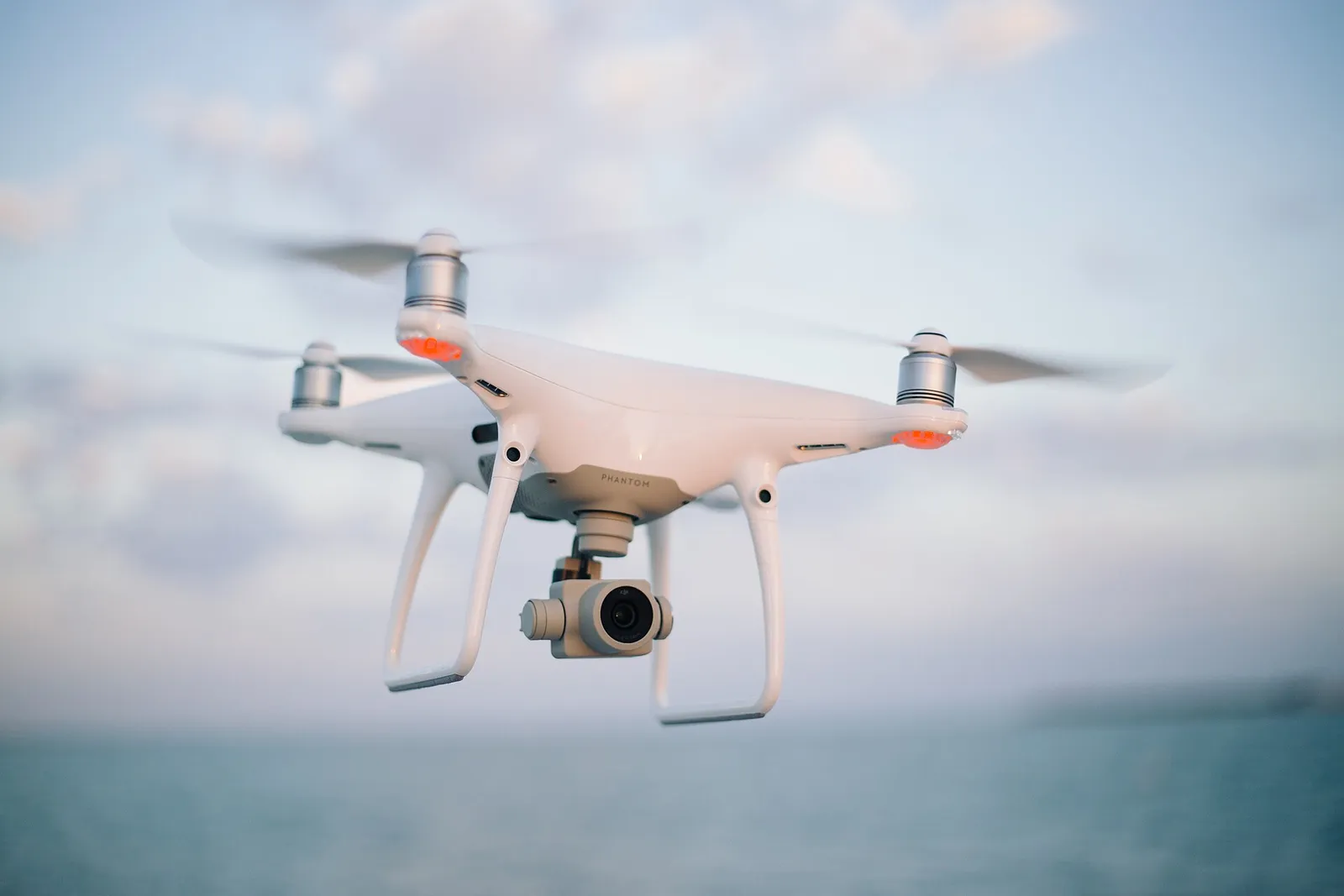
American regulators banned new Chinese-made drones from the US market, but the same technology keeps showing up, just wearing a different label. Now the Federal Communications Commission is going after the companies it suspects are behind that, pressing a set of obscure brands to prove they are not fronts for DJI, the Chinese drone giant, The Verge reported.
The "front company" problem
At the center of the case is a simple workaround. The FCC has moved to block new foreign-made drones from being cleared for sale, but researchers and regulators say near-identical DJI products have continued to reach shelves under unfamiliar names such as Xtra and SkyRover. The allegation is that these are effectively rebranding operations: DJI hardware, repackaged under a new brand, sold through mainstream retailers as if it were an independent product.
The FCC has demanded that several such companies answer detailed questions about their ownership and their relationship to DJI, and has taken enforcement steps against firms it says failed to respond. DJI has not publicly confirmed or denied links to the brands. As with any such inquiry, these remain allegations that the companies will have the chance to rebut.
What an equipment authorization is
The dispute turns on a piece of regulation most people never think about: FCC "equipment authorization." Almost any gadget that emits radio signals, a phone, a Wi-Fi router, a drone, must be approved by the FCC before it can legally be sold in the US, to confirm it meets technical rules and will not interfere with other communications. That approval is the gatekeeper. If the FCC blocks or revokes an authorization, the device cannot lawfully be marketed, which is why control over authorizations is such a powerful lever.
The related tool is the FCC's "Covered List." In late 2025, the agency added foreign-made drone systems to that list, cutting off new authorizations going forward, though drones already in people's hands remain legal to use.
Why the US restricts Chinese drones
The restrictions stem from national-security concerns. US officials worry that drones made by a Chinese company could collect sensitive imagery and data and that, given China's laws and DJI's ties there, that information could be accessed by the Chinese state. Those fears, disputed by DJI, are the rationale behind pushing its products out of the US market.
The stakes are large because DJI is not a minor player: it is the dominant maker of consumer and commercial drones in the US, holding a large majority of the market. Cutting off its new products leaves a gap, one that cheaper rebranded imports are well placed to fill, which is exactly what regulators say is happening.
Why it matters
The episode is a case study in how hard it is to enforce a technology ban in a global supply chain. A rule that blocks a company by name can be blunted if the same hardware simply reappears under other names, forcing regulators into a slow game of identifying and challenging each new brand. For American drone buyers, it means uncertainty about what they are actually purchasing and whether it will stay legal to sell. And for the broader contest between the US and China over technology, it shows that drawing a line on paper is one thing; making it hold in the marketplace is another. This article is informational and not investment advice.