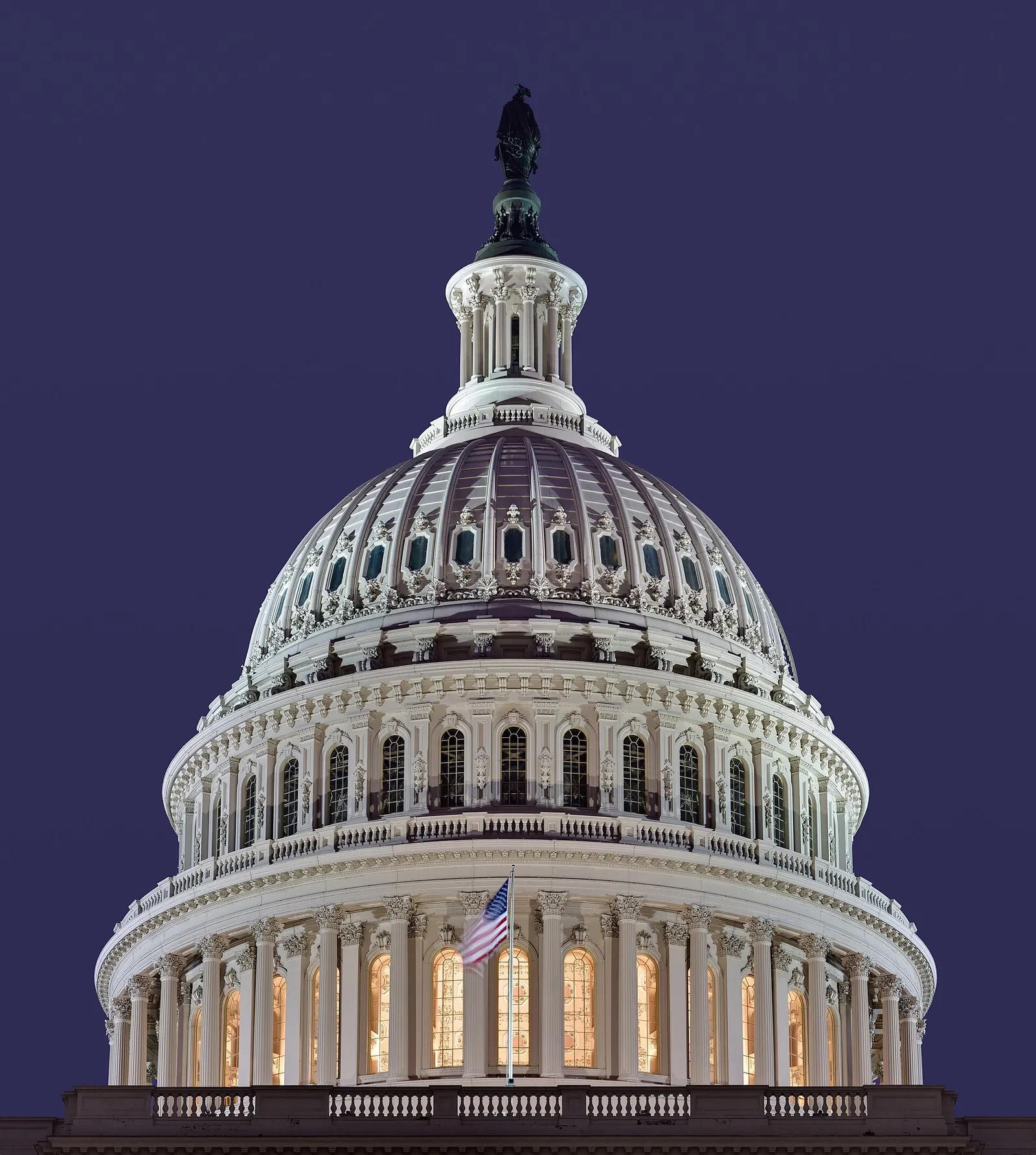
After years of the US crypto industry complaining that it does not know the rules, Washington is edging closer to writing them. A new, merged version of the Digital Asset Market Clarity Act, the CLARITY Act, could be released as soon as the coming days, with possible Senate floor action later in the month, CoinDesk reported, citing sources. It is worth stressing this is a reported, expected step, not a passed law; the bill still has real hurdles ahead.
What "market structure" means
"Market structure" is jargon for the basic rulebook of a market: who is allowed to buy and sell, on what venues, what they must disclose, and, crucially, which regulator is in charge. For most of crypto's history in the US, that last question had no clear answer, and two agencies, the Securities and Exchange Commission (SEC) and the Commodity Futures Trading Commission (CFTC), tussled over authority. The CLARITY Act's core purpose is to settle it.
How it splits the job
The bill draws a line between two kinds of digital asset. If a token behaves like a "security", essentially, something sold to raise money from investors who expect profit from a central team's efforts, it stays under the SEC, the stock-market regulator. If it behaves like a "digital commodity", running on a genuinely decentralized network with no controlling issuer, it falls to the CFTC, which oversees commodities and derivatives.
The hinge is a test of decentralization. A token can even change status over time: something that starts life looking like a security, funding a startup, could later be treated as a commodity if its network becomes sufficiently decentralized. Alongside that split, the bill would set registration and conduct rules for the "intermediaries" in the middle, the exchanges, brokers and dealers that most people actually use to trade.
Where it stands
This has been moving for a while. The House of Representatives passed its version by a wide margin, 294 to 134, in July 2025, as the congressional record shows. In the Senate, the Banking Committee advanced its own version in May 2026, and senators have since been trying to merge the relevant committees' texts into one bill. The reported new draft is the product of that stitching-together.
The catch is the Senate math. Major legislation generally needs 60 votes to advance there, which means winning over some Democrats, and support is not yet locked in.
The sticking points
Several disputes are holding things up, CoinDesk reported. One is ethics: concerns about conflicts of interest and the crypto holdings of senior officials, a politically charged issue. Another is how to handle "DeFi", decentralized finance, and how far to shield its software developers from regulation without opening a loophole; law-enforcement voices worry about weakening fraud tools. A third involves the treatment of yield-bearing stablecoins. Each is the kind of detail that can sink or delay a bill.
Why it matters
For the crypto industry, a market-structure law is the prize it has chased for years: a clear, national rulebook that would let exchanges and token projects know what is legal and operate with less fear of enforcement. Supporters argue clarity would pull activity out of the gray zone and into regulated daylight. Critics counter that the bill risks locking in rules too friendly to the industry before consumer protections are nailed down, and that the decentralization test could be gamed.
Either way, the stakes are high and the clock is short: lawmakers face a summer recess, and missing that window would push any deal deeper into a difficult election year. Whether a new draft can bridge the remaining gaps in time is the question the coming weeks will answer. This article is informational and not investment advice.