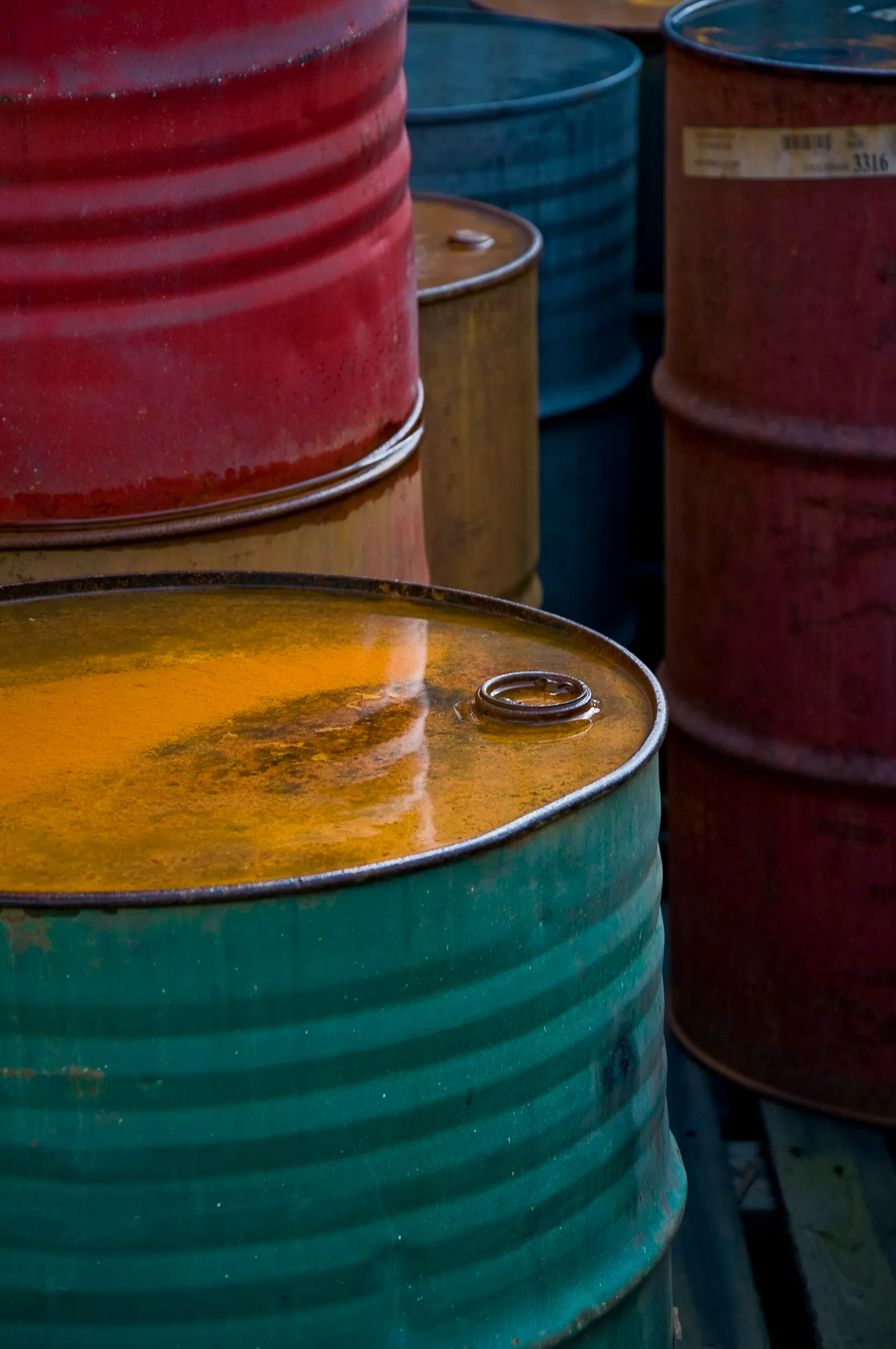
Crypto's latest attempt to bridge the digital and physical worlds involves something very physical indeed: a barrel of oil. A startup called Energy Substantiation has created a token designed to represent a single barrel of West Texas Intermediate crude, so that oil exposure can be bought and sold on a blockchain at any hour, Fortune reported. It is a modest project for now, but a telling one.
What "tokenizing" oil means
"Tokenization" is the practice of representing a claim on a real-world asset, a bond, a fund, a bar of gold, as a digital token recorded on a blockchain. The token is meant to track the value of the underlying asset while being as easy to move and trade as a cryptocurrency. Energy Substantiation's token is built to mirror one barrel of WTI crude, backed by what the company calls energy receipts issued by custodians and audited each month, Crypto Briefing reported. The pitch is round-the-clock trading and, in theory, the option to redeem a token for physical oil, though the company does not expect many holders to actually take delivery.
The scale today is tiny. The token holds only a small amount of value on-chain and is set to gain a modest amount of trading liquidity when it lists on a crypto exchange, according to Fortune. The company says it plans to add tokens tied to Brent crude and natural gas later.
Part of a bigger "real-world asset" push
Energy Substantiation is one small player in a much larger trend known as "real-world asset", or RWA, tokenization, an effort to bring commodities, bonds and even stocks onto blockchains. The appeal, its backers argue, is faster settlement (minutes rather than days), the ability to own a fraction of an asset, and transparent records of who holds what.
The idea has drawn serious institutional interest. Gold-backed tokens have become an established niche, and large asset managers have launched tokenized money-market funds running into billions of dollars, with major banks experimenting alongside them. Against that backdrop, a tokenized oil barrel is a natural next thing to try.
The hard problems
Enthusiasm aside, tokenizing oil runs straight into difficult questions, and even people in finance are skeptical. The most basic is liquidity: launching a token is easy, but building a market with enough buyers and sellers to make it useful is not, and most tokenized assets so far trade thinly despite big headline values.
The deeper issue is trust. A token is only worth as much as the legal claim and the custody arrangement behind it. If the firm storing the physical oil fails, or the barrels are lost, seized or disputed, holders may have little recourse unless the paperwork and jurisdiction are airtight. Oil adds its own wrinkles: it is bulky and costly to store, its price swings sharply, and a barrel of one grade is not identical to another. And the regulatory treatment of commodity tokens remains a patchwork.
Why it matters
The project is worth watching less for its size than for what it represents. Tokenization is one of the more credible bridges between traditional finance and crypto, and commodities are an obvious frontier after bonds and funds. But oil-on-a-blockchain also exposes the central tension of the whole field: the more genuinely useful a tokenized asset is meant to be, the more it depends on old-fashioned trust, in custodians, auditors and courts, that the blockchain itself cannot provide. Whether ventures like this one can build that trust, and a real market on top of it, is the test that matters. This article is informational and not investment advice.