For years, BT was a byword for a big, cheap, unloved stock: a former telephone monopoly weighed down by pension liabilities, shrinking traditional revenue and the enormous cost of rewiring Britain. Under Allison Kirkby, who in February 2024 became the company's first female chief executive, it has started to look like something else: a turnaround.
From accountant to telecoms boss
Kirkby is not a typical telecoms lifer. She trained as an accountant, spent two decades in finance and operational roles at Procter & Gamble, and only moved into telecoms in 2010, according to her published career record. She went on to run Sweden's Tele2 and Denmark's TDC, then Telia, before taking the top job at BT, where she had already served as a non-executive director. That background, heavy on cost control and capital discipline, shapes the strategy she is now running.
The fibre bet, past its peak cost
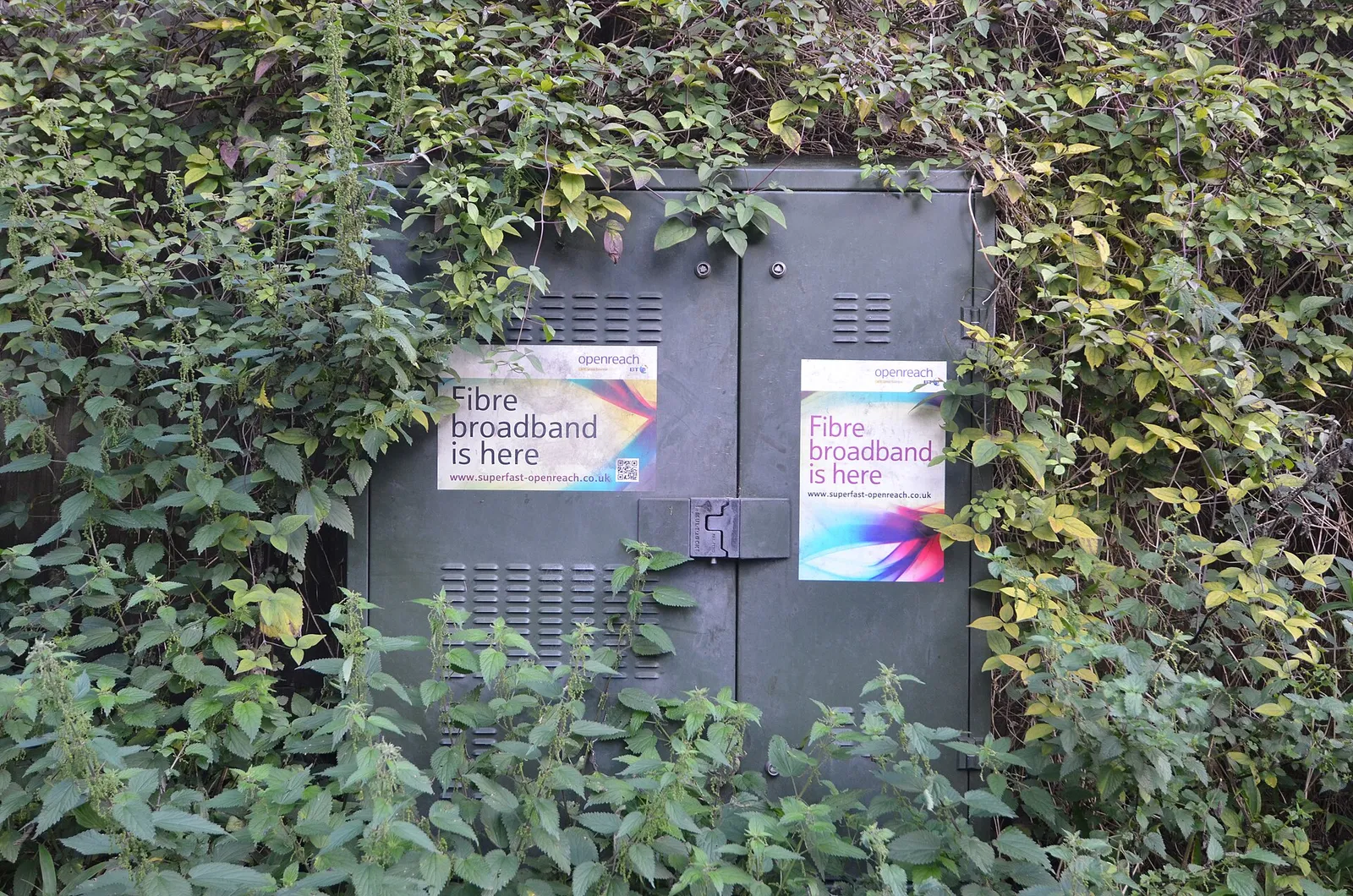
BT's central project is Openreach, the arm that owns much of the UK's phone and broadband infrastructure and rents it to other providers. Openreach is building "full fibre," running fibre-optic cable all the way to homes (jargon: FTTP, fibre-to-the-premises) to replace slower copper lines. It is fast but expensive, and the cost had depressed BT's cash flow for years.
Kirkby's pitch to investors is that the worst of that spending is behind the company. BT says it is past the peak of its fibre build cost and is now moving into a phase of rising cash generation. Its normalized free cash flow, the cash left after running the business and paying for that network, was about £1.5 billion in its 2026 financial year, and BT is guiding toward roughly £2 billion in the coming year and about £3 billion by the end of the decade, the company said in its results.
Cutting hard
The other half of the strategy is cost. BT is pursuing a large multi-year savings program and has said it aims to shrink its workforce dramatically by 2030, to somewhere between 75,000 and 90,000 people from a peak well above that, as it digitizes operations and finishes the fibre build. In its latest year it reported £580 million of annualized savings, bringing the total to £1.5 billion over two years, per its results. The logic is blunt: with revenue under pressure, profit and cash have to come from spending less.
Investors are buying the story, mostly
The market has warmed to the plan. BT's shares have risen sharply since Kirkby took over, recovering from years of drift, and the company nudged its full-year dividend up to 8.32 pence a share. It has also drawn powerful long-term backers: India's Bharti Enterprises, controlled by billionaire Sunil Bharti Mittal, built a stake of around 24.5% in 2024 to become BT's largest shareholder, sitting alongside Germany's Deutsche Telekom, which holds roughly 12%.
The catch
For all the progress, the core business is still shrinking. BT reported adjusted revenue of about £19.6 billion in its 2026 financial year, down 4%, with adjusted core earnings (EBITDA) roughly flat at £8.23 billion, according to the company. Competition is fierce: the merger of Vodafone and Three has created a stronger mobile rival, and smaller "alt-net" builders are laying their own fibre in the most profitable areas.
That is the tension in the BT story. Kirkby has convinced investors that falling capital spending and disciplined cost-cutting can turn a low-growth utility into a cash machine. The unfinished task is proving that the underlying business can grow again, rather than simply cost less, before the market's patience with a shrinking top line runs out.