Ocado has set a date for the end of an era. Tim Steiner, who co-founded the British online grocer in 2000 and has run it ever since, will step down as chief executive at the start of the company's 2028 financial year, The Guardian reported. He is expected to remain with the company in a "founder" role through 2029 while the board searches for and beds in a successor.
An orderly, if pressured, handover
The multi-year runway is deliberate. Rather than a sudden exit, Ocado has opted for a long transition in which Steiner keeps running the business while the board identifies the next leader, Proactive Investors reported. The announcement followed a period of tension, with the company acknowledging a difference of opinion among shareholders over Steiner's future. Formalizing a timeline is, in part, an attempt to remove that uncertainty.
Investors were not soothed. Ocado shares fell as much as 4.5% on the day of the news, extending a decline of roughly a quarter over the course of 2026. The market reaction underlines the harder question the succession does not by itself answer: what the company becomes next.
Two businesses under one roof
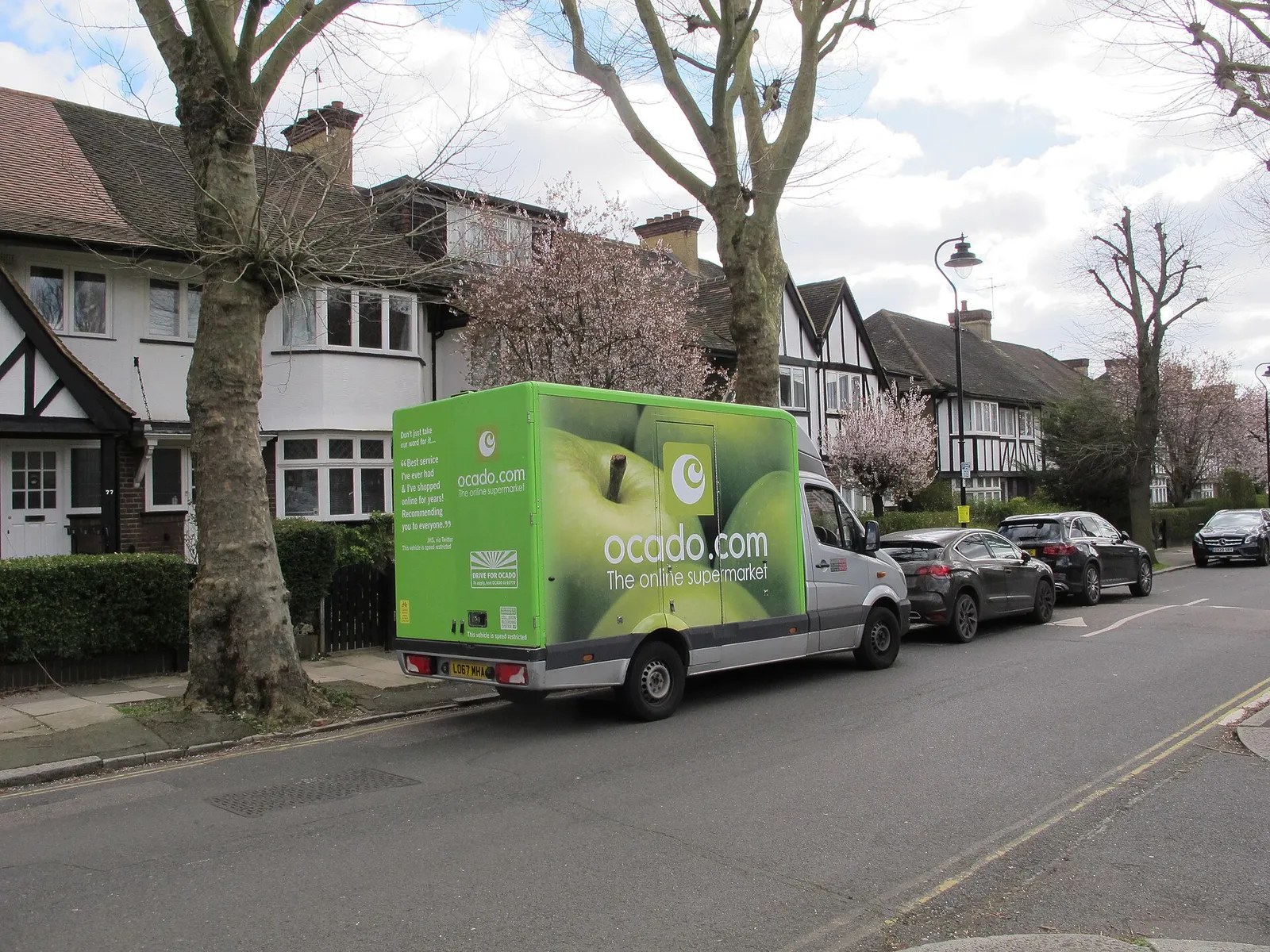
Ocado is really two companies. One is the familiar UK online supermarket, run as a joint venture with Marks & Spencer, that delivers groceries to British households. The other, and the reason Ocado was long valued like a technology firm rather than a grocer, is a business that licenses its warehouse automation, the robots, software and logistics known as the Ocado Smart Platform, to other retailers around the world.
That technology story is what powered Ocado's pandemic-era surge and its subsequent slump. As some international partners have slowed or pared back their automated-warehouse plans amid weaker-than-hoped online-grocery demand, the promise of rapid, capital-light growth from licensing has come under scrutiny. The company has been cutting costs and pushing to turn cash-flow positive, reframing itself from a growth-at-all-costs disruptor into a business that must prove it can make money.
Why it matters
Founder transitions are always delicate, and more so when the founder is the only chief executive a company has ever had. Steiner has been the constant through Ocado's rise, its reinvention as a technology licensor and its recent difficulties. Handing over during a turnaround, rather than from a position of strength, raises the stakes for whoever follows: the successor inherits both the automation bet that defines Ocado's valuation and the job of convincing investors it will pay off.
For the wider market, Ocado is a case study in how quickly a richly valued technology narrative can cool when the underlying demand disappoints. The orderly succession buys time and continuity. What it cannot do is settle the debate over whether Ocado is, in the end, a world-beating technology platform or a grocery-delivery company that the market once mistook for one.