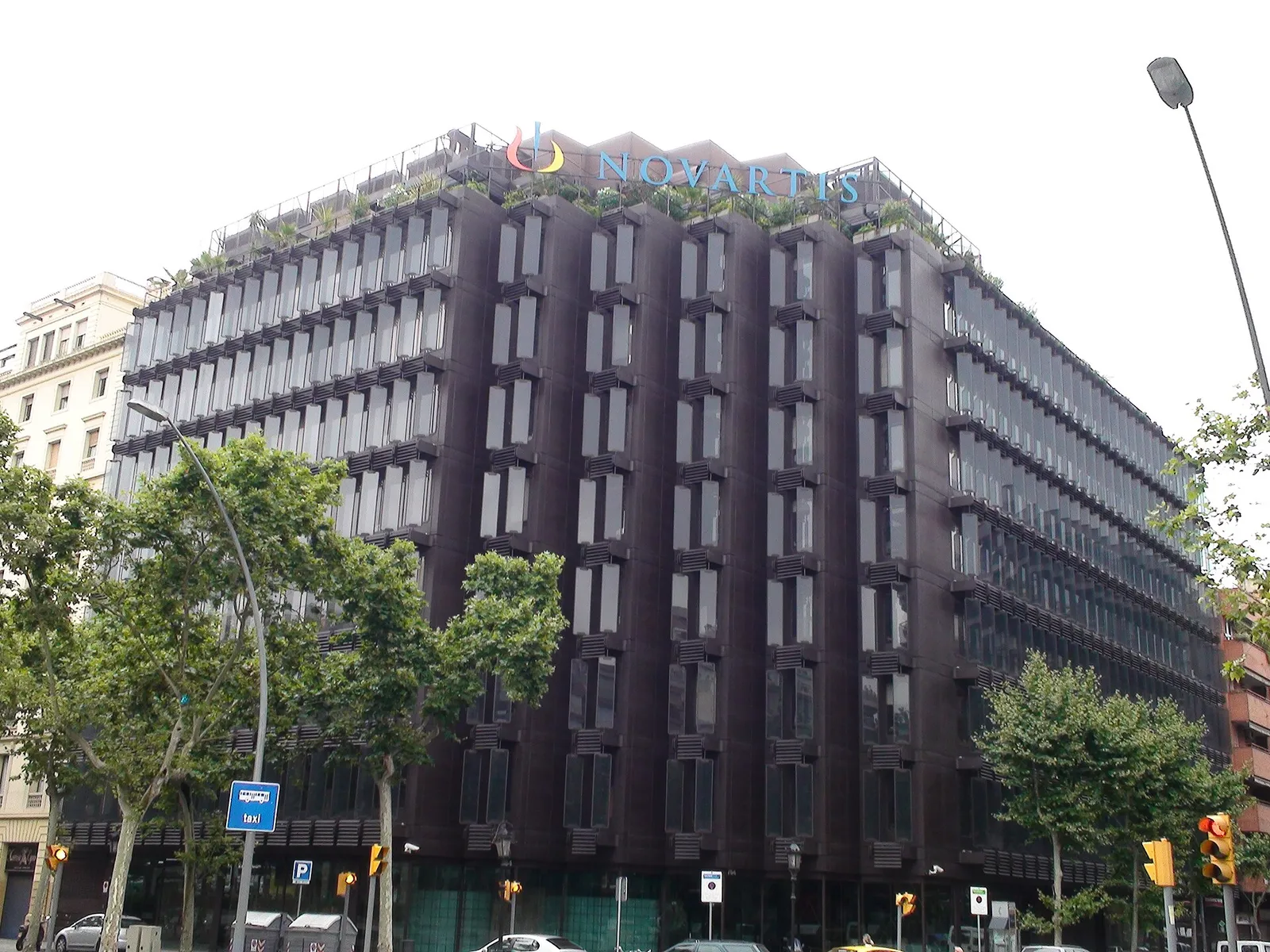
Novartis is paying up to $1.5 billion for a small British biotech most people have never heard of, a bet on a newer way of attacking cancer. The Swiss drugmaker said on July 6 that it had agreed to acquire London-based Myricx Bio, with $1.1 billion payable up front and up to $400 million more tied to future development and regulatory milestones, according to Novartis. The deal is expected to close in the second half of 2026, Yahoo Finance reported.
What Myricx makes
Myricx Bio, spun out of Imperial College London and the Francis Crick Institute, works on antibody-drug conjugates, or ADCs, Novartis said. An ADC is a kind of guided missile for cancer: an antibody, which naturally seeks out a specific marker on tumor cells, is chemically linked to a toxic "payload" that kills the cell. The antibody delivers the poison to the tumor while largely sparing healthy tissue, the idea being to hit cancer harder with fewer side effects than traditional chemotherapy.
What makes Myricx distinctive is the payload it uses. Instead of the toxins common in today's ADCs, its drugs block an enzyme called N-myristoyltransferase (an "NMTi" payload) that cancer cells rely on to survive, an approach Novartis says could work even where existing payloads have stopped working, per Novartis. Its two lead programs aim at targets known as B7-H3 and HER2, found across a range of solid tumors.
Why Novartis wants it
For Novartis, the appeal is a fresh tool in a crowded, fast-moving field. ADCs have become one of oncology's hottest areas, but cancers can develop resistance to the payloads now in use, which is exactly the problem Myricx's technology is meant to sidestep. Fiona Marshall, Novartis's president of biomedical research, said Myricx had "developed a promising NMTi payload platform with a differentiated mechanism that could broaden the use of ADCs across multiple tumor settings," according to the company's statement.
The purchase fits a wider pattern in which large drugmakers buy in promising early-stage science rather than develop everything in-house, paying up front for the platform and more later only if it hits its marks, the structure of this deal.
A quick return for backers
For Myricx and its investors, the sale is a rapid exit. The company raised about $114 million in a Series A round in 2024, backed by Novo Holdings and Abingworth, Novartis noted. Roughly two years later, a deal worth up to $1.5 billion is a marker of how much big pharma is willing to pay for the next generation of targeted cancer drugs, and of the UK's continued role as a source of that science. As with any drug in development, the therapies still have to prove themselves in trials; the milestone payments exist precisely because that outcome is not yet certain.