Two large moves are running at the same time and they have almost nothing to do with each other. Energy is repricing on a war. Semiconductors are repricing on AI valuations. Headlines that bundle them into a single risk-off narrative obscure what is actually happening.
A note on figures: these are intraday snapshots from the European morning of Monday, July 20, and sources differ slightly depending on the moment of capture. Levels are given with that caveat.
The oil move
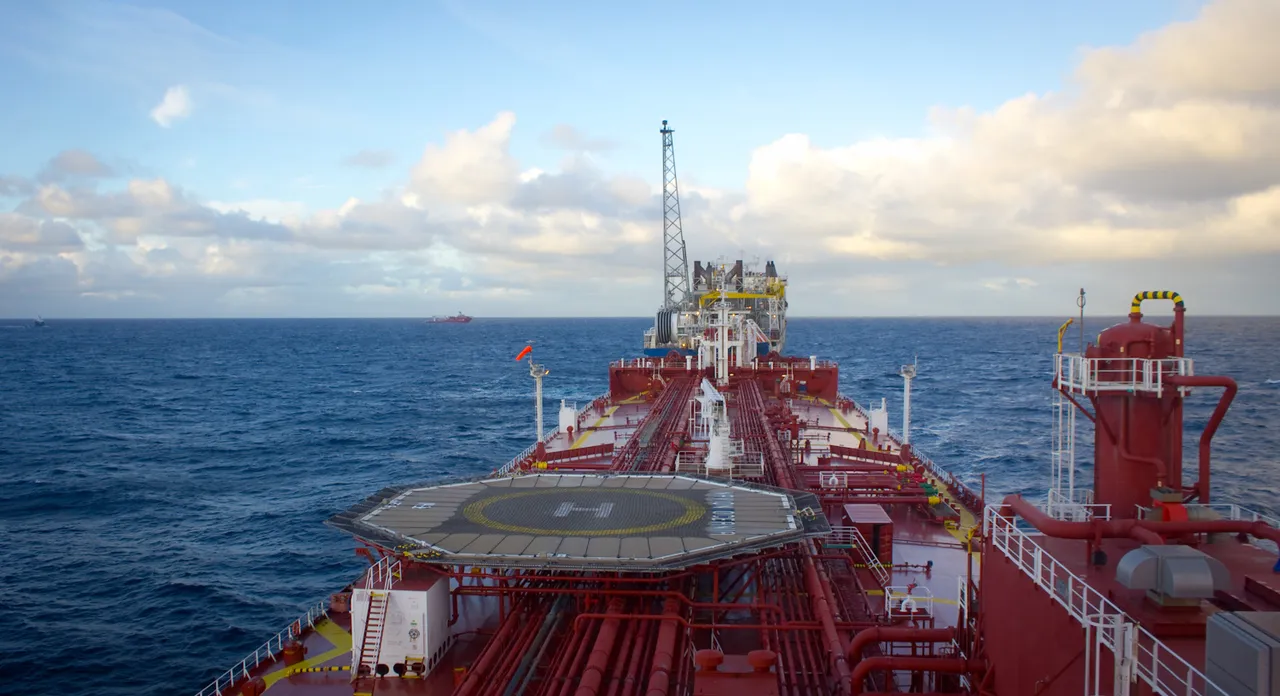
Brent crude traded around $90.76, up about 3.09% from a previous close near $88, according to Trading Economics, taking it above $90 for the first time in more than a month. WTI was near $84. Crude rose more than 14% last week.
The driver is the ninth straight day of US strikes on Iran, with Iran striking targets across the region. Only a handful of ships transited the Strait of Hormuz on Sunday, and Tehran said it had hit two vessels.
The gas market moved with it. European TTF natural gas reached €60.00 per megawatt-hour, its first time at that level since mid-March. Europe imports LNG that transits Hormuz, so a Gulf disruption reaches European industrial energy costs directly.
The chip move, which is not about oil
The semiconductor decline began before this week and has a different cause.
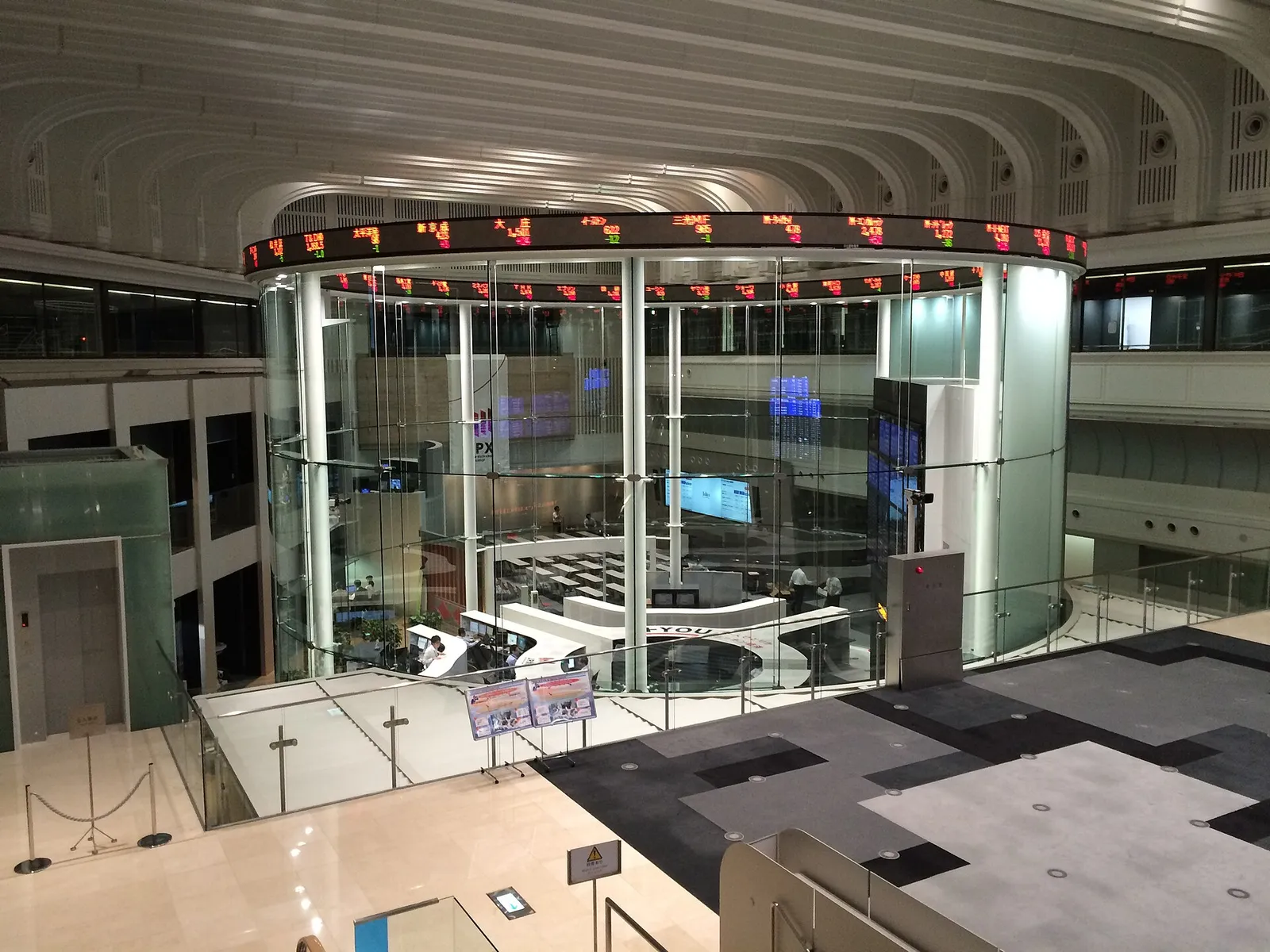
The Philadelphia Semiconductor Index fell 10% last week and now trades about 20% below its record high set in June. South Korea's chip-heavy market lost 4.1% on Monday after falling nearly 9% the previous week. SK hynix was down 4.23%.
Oil at $90 is not why memory stocks are falling. Semiconductor manufacturing is energy-intensive but the input cost is nowhere near large enough to move these shares by a fifth. What is moving them is a reassessment of AI infrastructure spending, and of whether the extraordinary memory pricing of recent quarters can persist.
Some of the pressure is straightforward profit-taking. Chip shares had risen enormously into June, and a 20% drawdown after a run of that size is a valuation adjustment rather than evidence of collapsing demand. Industry forecasts for 2026 remain historically strong.
The two moves even point in opposite directions for some assets. An oil shock is inflationary and supports energy equities; an AI-capex reassessment is disinflationary at the margin and hits technology. Reading Monday as a single risk-off day misses that.
Bonds are the third story
Government bonds are doing something that fits neither narrative cleanly.
The US 10-year yield was 4.55%, with the 30-year above 5.0%. Germany's 2-year yield reached 2.817%, its highest in two years.
Long yields above 5% during a geopolitical crisis is notable, because the historical reflex in a war scare is a flight into government bonds that pushes yields down. That is not happening. An oil shock is inflationary, which argues for higher yields, and there are longer-running concerns about sovereign debt supply. Whichever dominates, the traditional safe-haven bid is absent, and that is worth watching more closely than the crude price.
What is not moving
Two non-moves are informative.
Gold was roughly flat near $4,019 an ounce. In a textbook geopolitical panic, gold rises. It is not rising, which suggests the market is treating this as a contained supply disruption rather than a systemic event, though gold is already at a historically elevated level after a very large run.
US equity futures showed minimal movement. Wall Street was not, on Monday morning, pricing a crisis.
Japan's market was closed for a public holiday, which thins Asian trading and makes regional moves less informative than usual.
How to read it
Three distinct processes, one screen:
- A live supply disruption in energy, driven by the conflict, with real physical effects on shipping and now on European gas.
- A valuation correction in semiconductors, driven by AI capex expectations, which began before this week and would be happening without the war.
- A bond market that is not behaving like a safe haven, which is the least-discussed and possibly most consequential of the three.
The risk in a week like this is assuming one explanation covers everything. It does not, and positioning built on that assumption tends to be wrong about at least two of the three.