A young company with an old pedigree is making a very large bet on the plumbing of the AI era. Solstice Advanced Materials, which Honeywell spun off as a standalone business in late 2025, has agreed to acquire Element Solutions in a deal it values at roughly 14.5 billion dollars, according to the company's announcement. It is worth being precise about that figure: the 14.5 billion dollars is the value of the acquisition, including assumed debt, not the company's stock-market value.
What Solstice makes
Solstice is an "advanced materials" company, which means it makes specialized, engineered substances rather than everyday chemicals. Its products include refrigerants and coolants, materials that protect and connect semiconductors, and fluids and components used to manage heat in electronics. These are not consumer goods; they are precision inputs sold to manufacturers, where getting the chemistry exactly right matters. The company traces its roots to Honeywell's advanced-materials division before being spun off to trade on its own.
Why AI needs materials like these
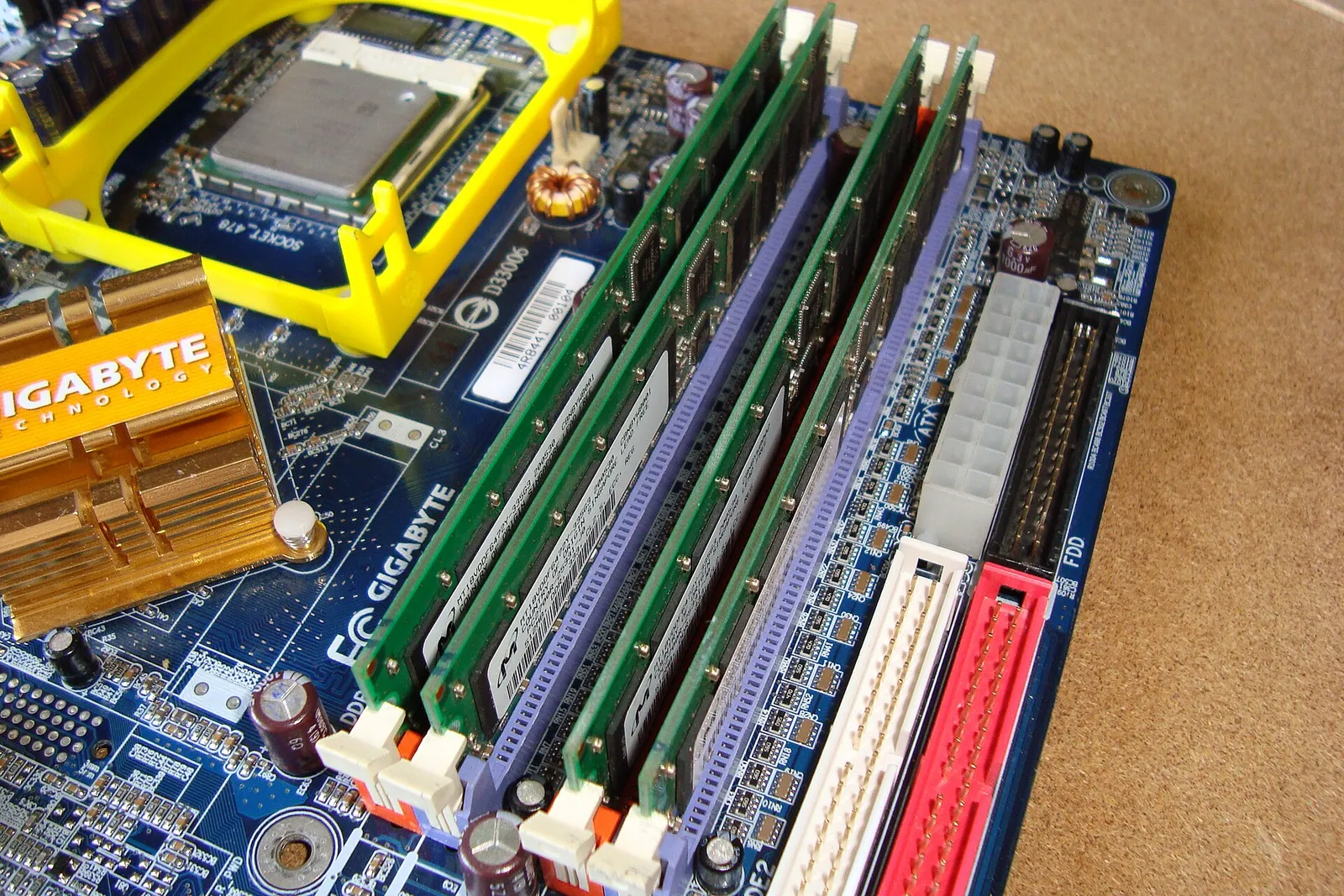
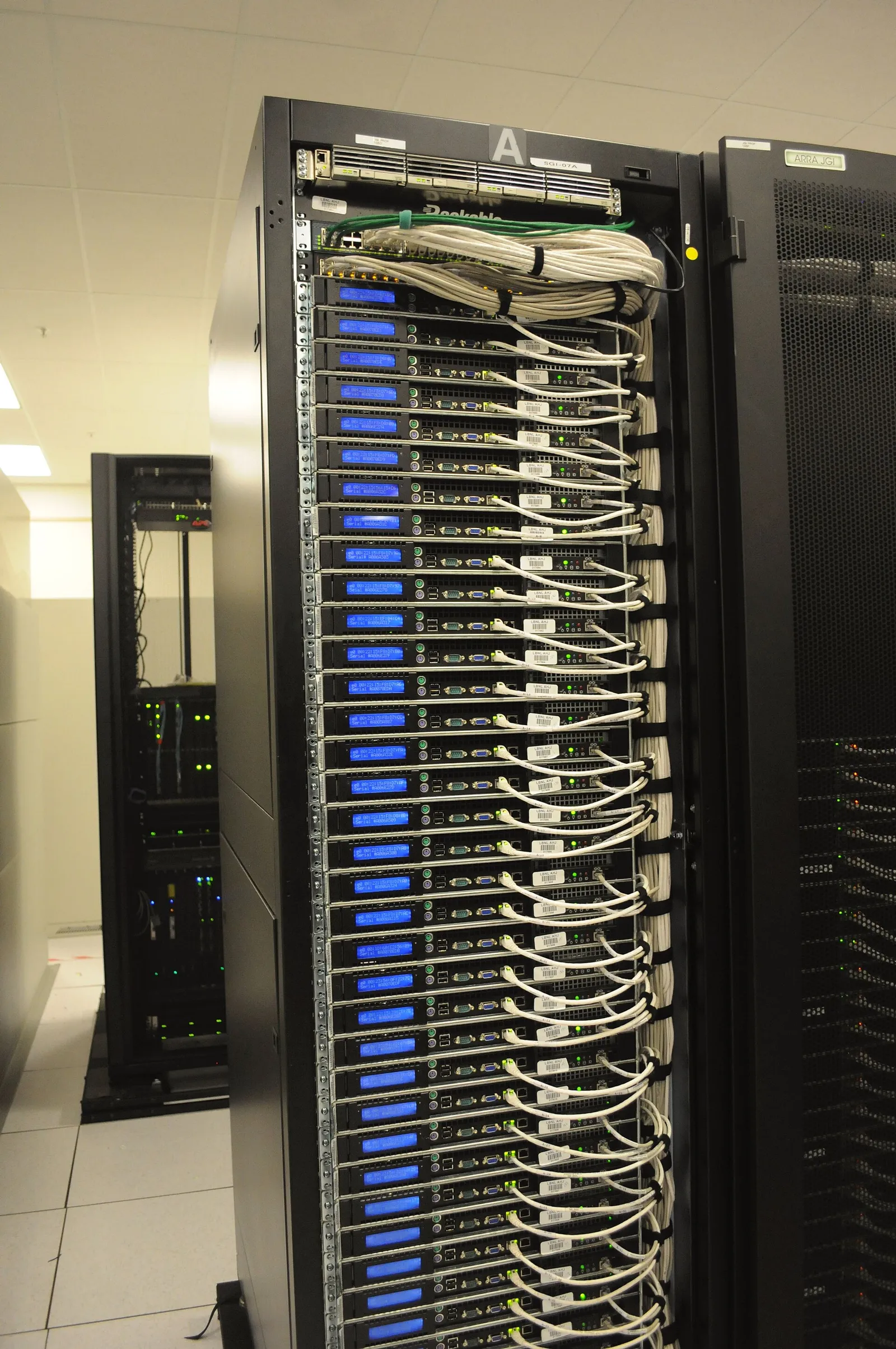
The link to artificial intelligence runs through a problem that has become one of the industry's biggest headaches: heat. Powerful AI chips draw enormous amounts of electricity and, in doing so, generate intense heat. If that heat is not managed, chips throttle or fail. Keeping them cool, and keeping the vast data centers full of them running, requires exactly the kind of thermal-management materials, coolants and advanced packaging that Solstice and its target specialize in.
In other words, while the attention in AI goes to chipmakers and cloud giants, there is a less visible layer of suppliers whose materials make the hardware physically possible. Solstice is betting that demand from that layer will grow for years as the AI build-out continues.
The deal
Under the agreement, Solstice is buying Element Solutions, a company with deep expertise in semiconductor and electronics materials, in a mix of cash and stock. Element shareholders are set to receive cash plus Solstice shares for each share they hold, at a premium to Element's recent price, and would end up owning a substantial minority of the combined company. The transaction is expected to close in 2027, subject to the usual approvals.
Combining the two would create a larger, more integrated maker of advanced materials spanning chip fabrication, packaging and cooling, positioned to sell across the semiconductor and data-center supply chain. Management has pointed to cost savings it expects to achieve by merging the operations, the kind of "synergies" that typically accompany a deal of this size.
Why it matters
The acquisition is a notable example of how the AI boom is rippling outward from the marquee names into the industrial supply chain that underpins them. It is also a statement of conviction: spending 14.5 billion dollars on a bet that AI-driven demand for advanced materials is durable, not a passing spike, implies real confidence that the data-center build-out has years to run. As with any large acquisition, the risks are integration, the price paid, and whether that demand holds up as expected. But the strategic logic is clear: as the world builds ever more computing power, someone has to supply the materials that keep it from melting down, and Solstice wants to be that supplier at scale. This article is informational and not investment advice.