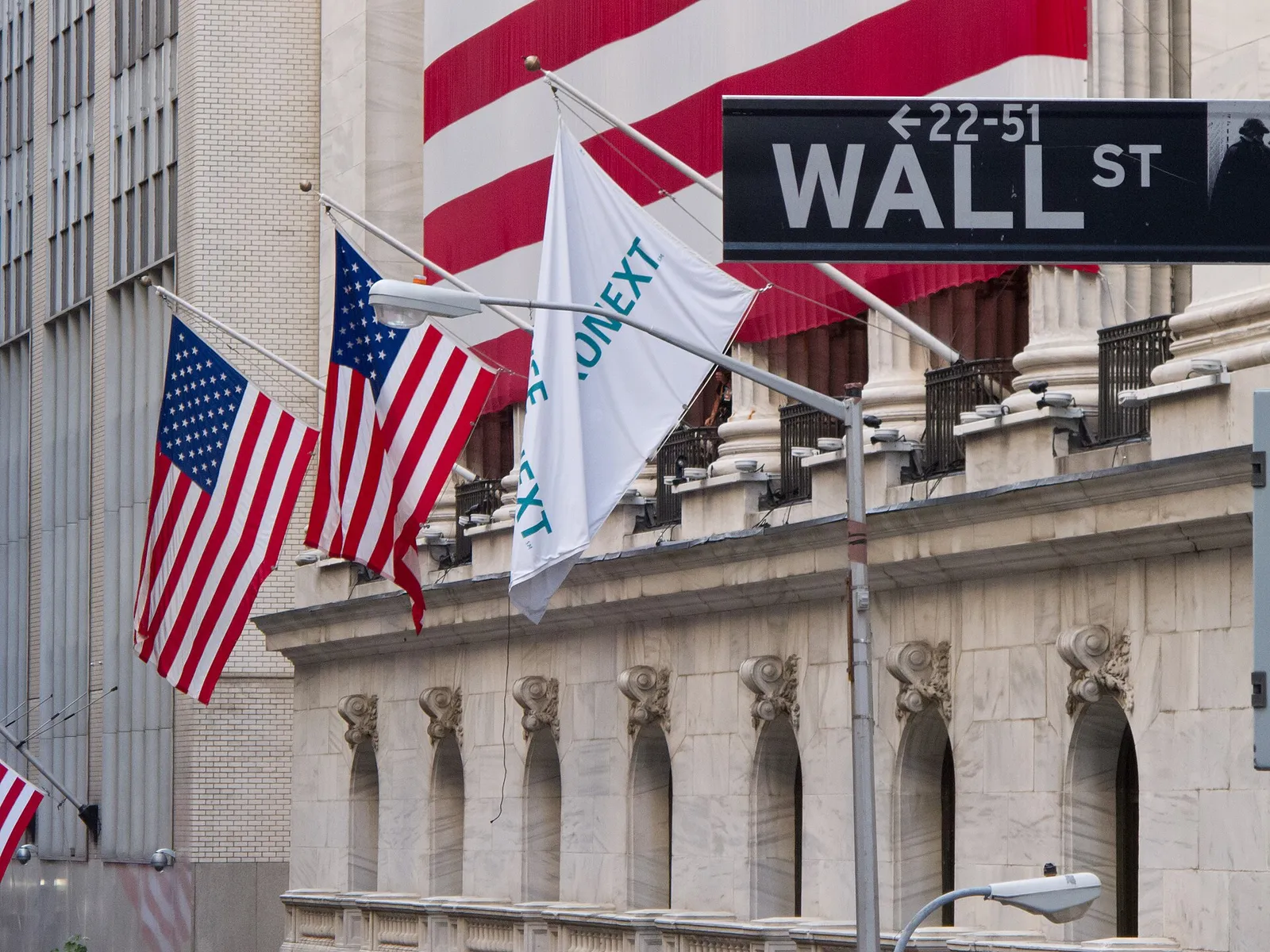
After a long drought, the market for initial public offerings has come roaring back. US companies raised roughly 251 billion dollars through share sales in the first half of 2026, a record for any midyear point, surpassing even the frenzied peak of 2021, according to data reported by Reuters. The question now is whether the revival can spread beyond the giant deals that have driven it.
What an IPO is, and why the boom matters
An IPO, or initial public offering, is the moment a private company first sells shares to the public. It raises fresh capital for the business and gives early backers, founders, employees and venture investors, a way to cash out some of their stake. A busy, broad IPO market is generally read as a sign of health: it means investors are willing to take risks and that companies can fund their growth through public markets rather than staying private.
The market had been unusually quiet in 2024 and 2025, so this year's surge marks a decisive turn.
The megadeals doing the heavy lifting
The record was powered by a few enormous listings. The standout was SpaceX, which went public in June and raised about 86 billion dollars, valuing the rocket company near 1.8 trillion dollars and ranking as the largest IPO in history. Alphabet, Google's parent, also raised roughly 85 billion dollars in a huge equity sale to fund its artificial-intelligence push. Earlier, the South Korean memory-chip maker SK Hynix priced a US listing at about 26.5 billion dollars, the biggest US debut by a foreign company.
Those deals share a theme: they are tied, directly or indirectly, to the AI build-out and to a small number of very large, capital-hungry names. Strip them out and the market was still strong, but the concentration is real. A handful of megadeals accounted for a large share of the money raised.
Will it broaden?
That is the debate now. Analysts at Fortune and elsewhere argue the second half of 2026 is shaping up as a broadening, with more mid-sized companies and a wider mix of industries testing investor appetite, from healthcare and biotech to defense, energy infrastructure and fintech. Several well-known private companies, including AI developers, are seen as potential future listings, though timing is uncertain.
A market carried by a few giants is more fragile than one with broad participation. If listings spread across many sectors and sizes, it suggests durable confidence; if activity stays clustered in AI megadeals, the boom rests on a narrower base. This is a forward-looking view, not a certainty; whether the pipeline delivers depends on markets staying calm and valuations holding up.
Why it matters
For investors, a wave of IPOs expands the menu of companies to buy, but also demands care: newly listed shares can be volatile, and the excitement around a hot market can lead to overpaying. For the wider economy, a functioning IPO market channels money to growing companies and signals confidence in the outlook. The 2026 record shows the appetite for new listings has returned in force. The more telling story will be written in the months ahead, in whether that appetite reaches beyond the giants of artificial intelligence to the rest of the market. This article is informational and not investment advice.