Daniel Ek, best known as the founder of Spotify, has pulled in a large round of funding for his other venture, a health-scanning company, and is bringing it to the United States. Neko Health, which Ek co-founded in Sweden in 2023 with Hjalmar Nilsonne, has raised about $700 million and will open its first US clinic in New York City this year, according to Bloomberg.
What Neko sells
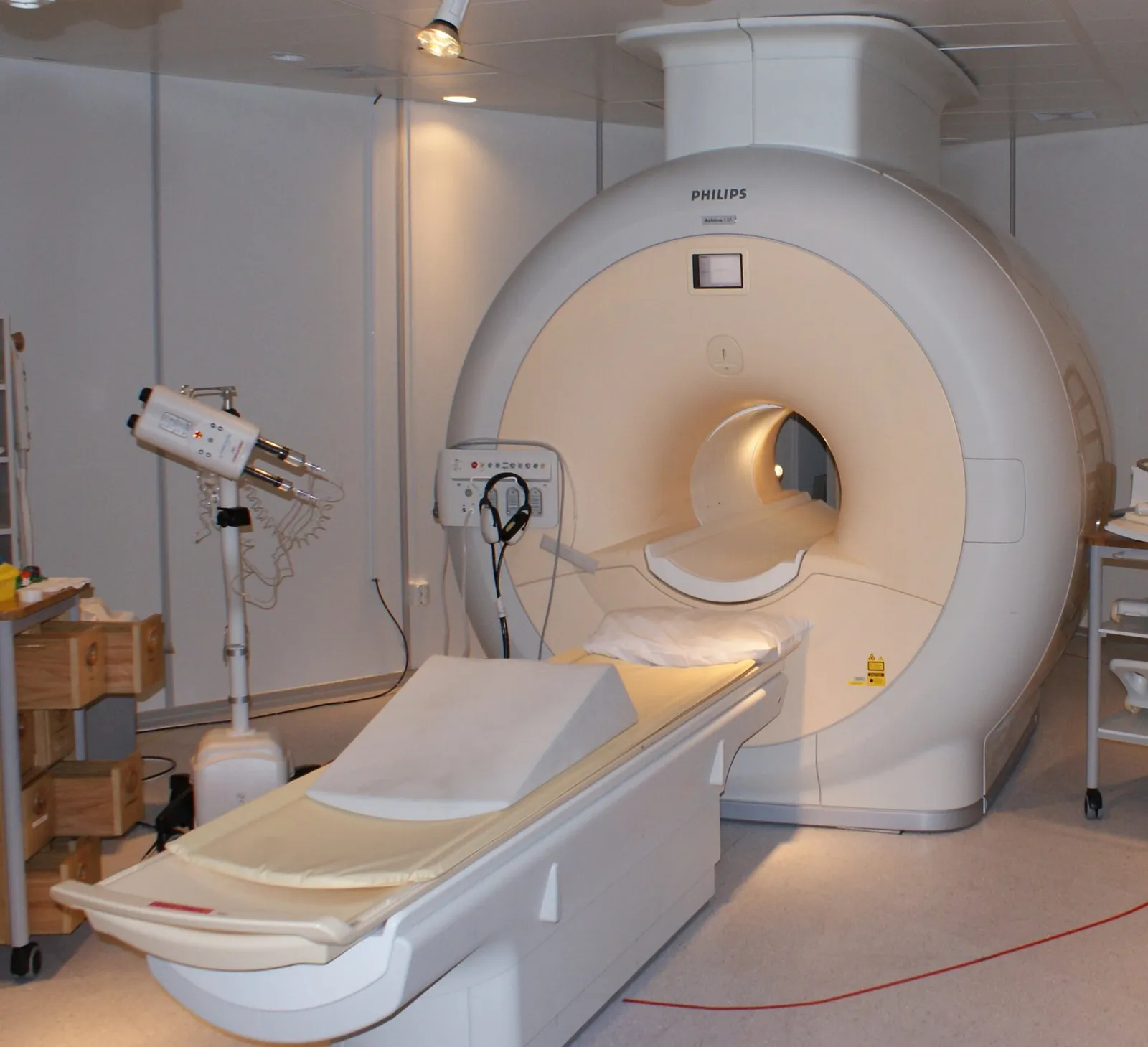
Neko's product is a body scan aimed at catching health problems early. The company describes a roughly hour-long, non-invasive and radiation-free scan that gathers a large number of data points and includes imaging and a blood test, screening for signs of conditions such as skin cancer, heart disease and diabetes risk, per its own materials and a PYMNTS account. The pitch is prevention: spot issues in apparently healthy people before symptoms appear.
That idea is popular with investors and controversial with some doctors, who caution that scanning healthy people can turn up harmless anomalies that lead to anxiety, further tests and unnecessary treatment. Neko's bet is that better technology and data can tilt that balance toward genuine early detection. It is a claim that will be judged over years, not months.
The money and the names
The size and backers of the round are what make it notable. On top of the roughly $700 million raised, the investor list runs from venture firms to celebrities: Bloomberg reported that Mark Zuckerberg and Priscilla Chan took part as individual investors, alongside names such as Tim Ferriss, Maria Sharapova, Thierry Henry and will.i.am, with the round co-led by Lightspeed and Eyal Ofer's OG Venture Partners. Neko had earlier been valued at around $1.8 billion in a 2025 funding round.
A roster of famous backers is good marketing, but it is not the same as proof the business works. The money buys what Neko needs most now: the capital to build expensive clinics and the scanning hardware inside them.
Why it matters
Neko sits at the intersection of two big trends. One is the flow of venture money into health technology, where investors are hunting for the next large, defensible consumer-health business. The other is the rise of "preventive" and longevity-focused services aimed at affluent, health-conscious customers willing to pay out of pocket for scans and diagnostics that insurance may not cover.
The US launch raises the stakes. America is the world's largest and most lucrative healthcare market, but also one of the most heavily regulated and litigious, and a service built on scanning healthy people will draw scrutiny over clinical value, data privacy and cost. For Ek, it is a chance to prove that Neko is more than a well-funded experiment. Whether preventive full-body scanning becomes a durable business or a boutique service for the wealthy is the open question, and Boursel will judge it on results rather than its guest list of investors.