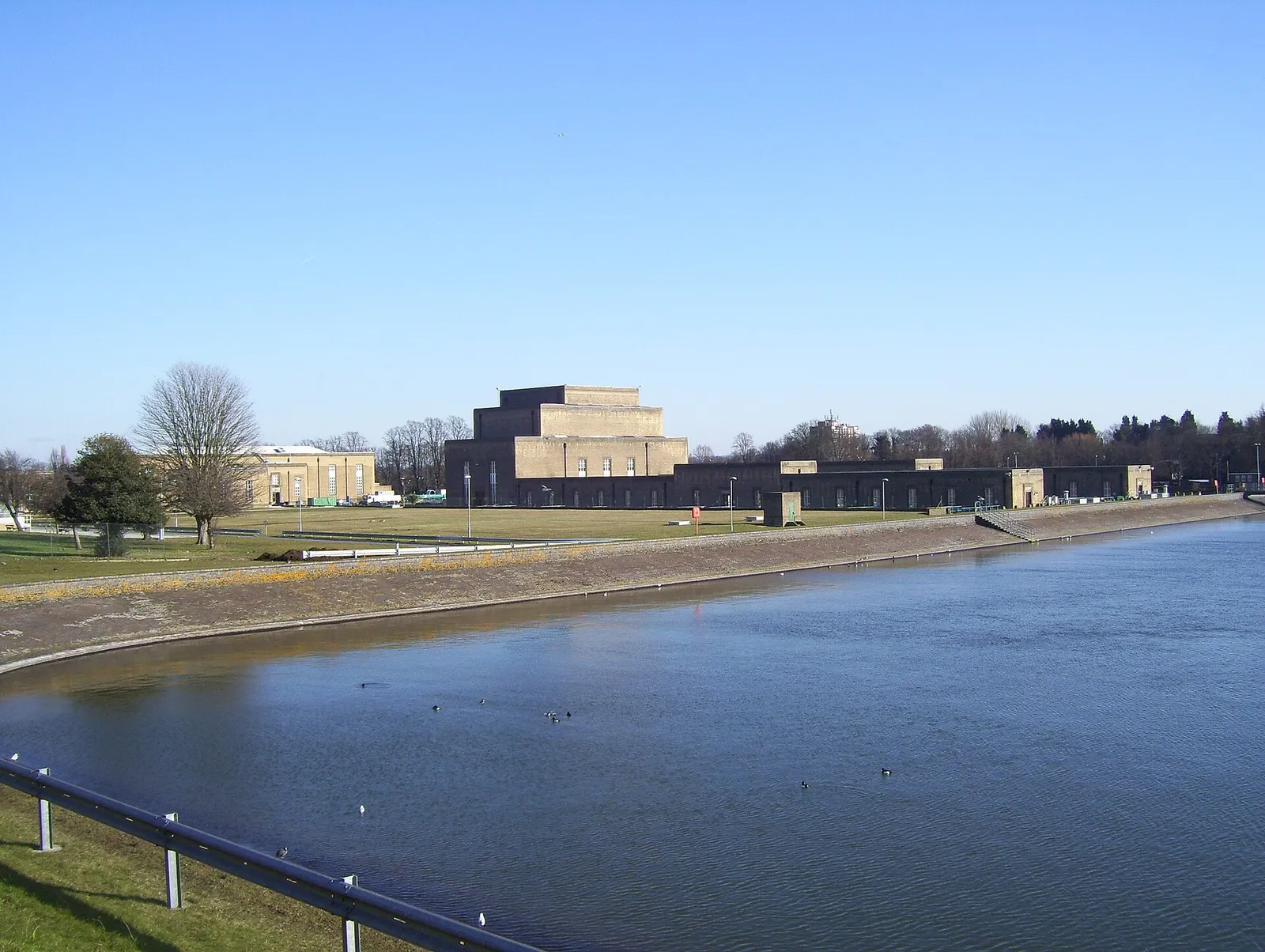
Britain's biggest water company has swung back into profit, but the number sits on top of a debt pile that keeps growing and a rescue that is still not settled. Thames Water, which serves about 16 million people across London and the South East, reported a pre-tax profit of £226.4 million for the year to March 31, 2026, a marked improvement from a loss of £1.65 billion the year before, according to results reported by the PA news agency. Much of the turnaround came from charging customers more.
Profit built on higher bills
The return to the black was driven largely by higher bills, part of a five-year settlement with the regulator, Ofwat, that permits water companies to raise prices to pay for long-neglected infrastructure. In other words, the improvement reflects customers paying more, not a company that has fixed its underlying finances. Thames Water returned to profit "after raising bills," as the PA-sourced report put it.
The debt keeps growing
The headline profit is dwarfed by what Thames Water owes. Its debt climbed to £19.77 billion, up from £17.73 billion a year earlier, as the company kept borrowing to fund capital spending, per the PA report. A profit of a few hundred million pounds does little against a debt approaching £20 billion; the interest and repayment burden is the core of the company's problem, and it is still getting heavier.
The company has said it has enough funding to keep operating through the fourth quarter of 2026, a runway measured in months, not years, and one that depends on its lenders continuing to support it.
The rescue that isn't done
Thames Water's future rests on a restructuring that has not been agreed. A group of creditors has been trying to arrange a rescue; more recently, Ofwat was reported to be close to accepting an offer from a consortium called London & Valley Water, which proposed injecting £10 billion into the company in exchange for a four-year reprieve from new fines over sewage spills, per the PA report. That trade-off, new money in return for softer penalties, is politically charged: Environment Secretary Emma Reynolds has said she does not believe such a plan goes far enough to protect customers and the environment.
If a deal cannot be struck, the alternative is special administration, a form of temporary government control that would amount to a de facto nationalization of a critical utility, with the state stepping in to keep the taps running while the finances are sorted out.
Why it matters beyond Britain
Thames Water is the most acute example of a wider strain in Britain's privatized water industry, where years of heavy borrowing and underinvestment have collided with the large sums now needed to fix pipes and cut pollution. For households, the immediate effect is higher bills; for investors and lenders, it is a test of how losses are shared when a monopoly utility runs into trouble. A return to profit is a step, but as the debt figure makes plain, it is not the same as being out of danger. Boursel will follow how the rescue is resolved rather than predict its outcome.