Few organizations move a single price the way OPEC+ moves the price of oil. When its members agree to pump less, crude tends to climb; when they agree to pump more, it tends to ease. Because oil feeds into fuel, transport and the cost of making almost everything, those decisions ripple far beyond the energy market. Here is what the group is and how it works. This is general information, not investment advice.
What OPEC is
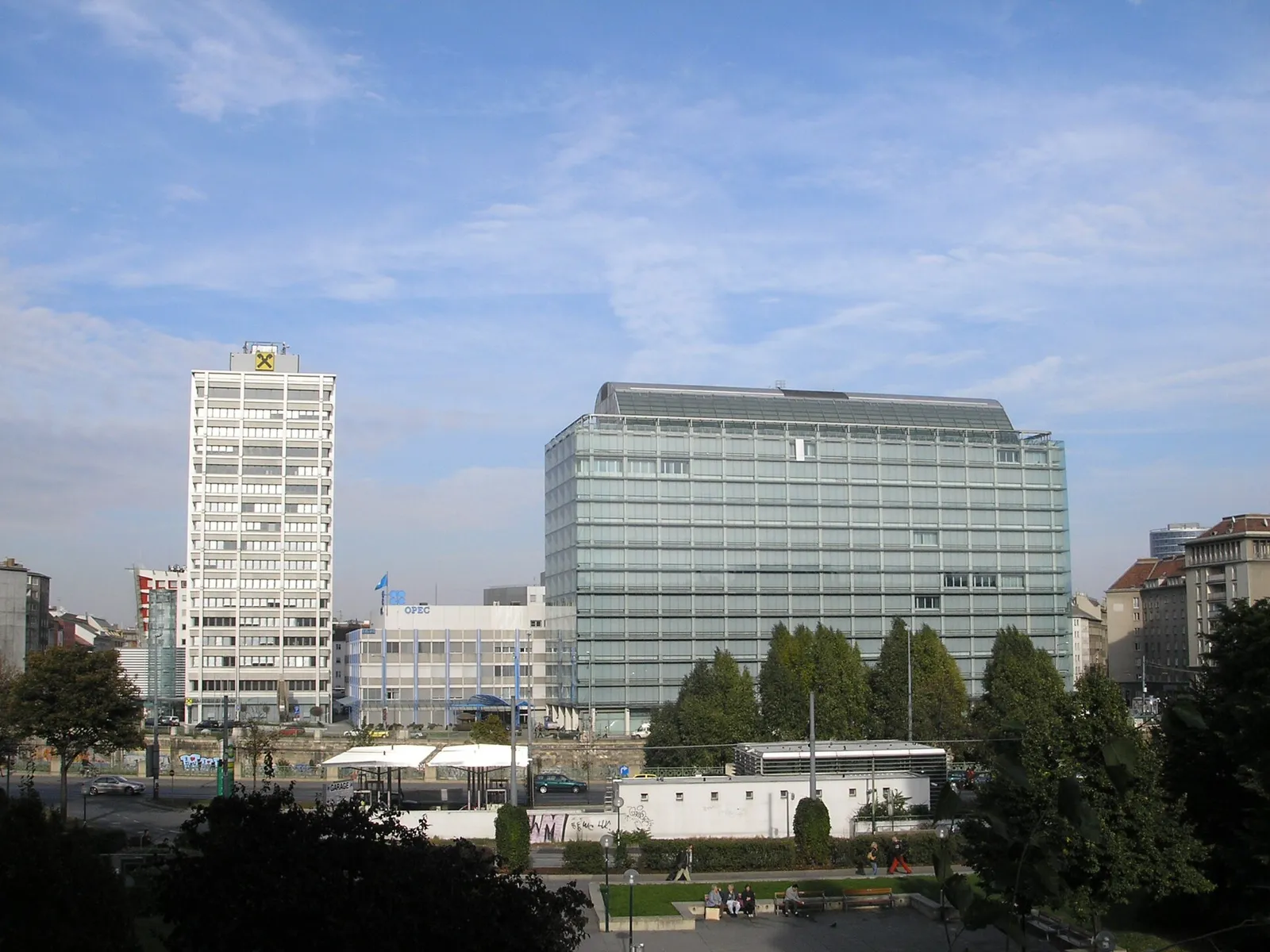
The Organization of the Petroleum Exporting Countries was founded in Baghdad in September 1960 by five nations, Iran, Iraq, Kuwait, Saudi Arabia and Venezuela, and moved its headquarters to Vienna in 1965, according to OPEC's own history. It has since grown to around a dozen members across the Middle East, Africa and Latin America. At its core, OPEC is a forum where member countries agree on how much oil to produce, aiming to keep the market, and their revenues, stable.
What the "plus" adds
OPEC+ is the wider alliance formed in late 2016, when OPEC agreed to coordinate output with a group of non-OPEC producers, most importantly Russia, to counter a price slump driven by surging US shale, as the US Energy Information Administration explains. Adding Russia and others roughly doubled the coalition's weight in the market. Russia is among the world's largest oil producers, which makes its cooperation central, and occasionally fragile.
How it moves prices
The lever is the production quota. Each participating country agrees to cap its daily output at an assigned level. Lower the quotas and less oil reaches the market, which tends to push prices up; raise them and the extra supply tends to pull prices down. Oil prices generally rise when OPEC trims its production targets, the EIA notes. Spare capacity matters too: a producer able to bring idle barrels back quickly reassures the market, while thin spare capacity leaves prices jumpy and exposed to shocks.
Why the group has leverage
OPEC's clout rests on scale. Its members pump roughly 35% of the world's crude oil and account for about half of all oil traded across borders, per the EIA. Its hold on the future is even greater: OPEC says its members sit on about 79.5% of the world's proven crude reserves, according to OPEC. Within the group, Saudi Arabia is the pivotal player, holding most of the spare capacity that lets it act as the "swing producer," able to add or withhold barrels to steer the market.
Where its power runs out
OPEC+ is powerful but not all-powerful, and three forces check it.
The first is US shale. When prices are high enough, American shale producers can ramp up quickly, capping how far OPEC+ can push prices and eroding its share of the market, as the Columbia Center on Global Energy Policy has documented. The second is cheating: members frequently produce above their quotas, and because the group has no real enforcement, no fines or expulsions, compliance is voluntary and often incomplete. The third is demand: OPEC sets quotas on a forecast of how much oil the world will want, and a weakening economy, or a jump in supply from a crisis elsewhere, can overwhelm its plans.
Why it matters to you
OPEC+ decisions land well beyond traders' screens. Higher crude prices raise what households pay at the pump and lift the cost of shipping goods, which can feed into broader inflation; lower prices do the reverse. For businesses, energy and transport costs move with oil. For investors, the group's meetings shape energy shares, inflation expectations and, through those, the calculations of central banks. So when a short statement emerges from Vienna about a change in output, it is rarely just about oil, it is about the price of a great deal else.