The countries at the heart of the OPEC+ alliance agreed on July 5 to raise oil production again, adding 188,000 barrels a day from August, Investing.com reported. The move continues a steady unwinding of past supply cuts, and it comes just as the shipping route that carries much of the world's oil returns to something like normal.
What was decided
The decision was taken by the seven core members of OPEC+, Saudi Arabia, Russia, Iraq, Kuwait, Algeria, Kazakhstan and Oman, according to Investing.com. It is the latest in a run of monthly increases: from April through July the group lifted its output targets by almost 800,000 barrels a day, gradually reversing a 1.65 million-barrel-a-day cut the producers had agreed in 2023. The group is due to meet again on August 2 to weigh the next step.
At 188,000 barrels a day, the increase is small against a global market that consumes on the order of 100 million barrels daily, a sign that the producers are moving cautiously rather than flooding the market.
Why the timing matters
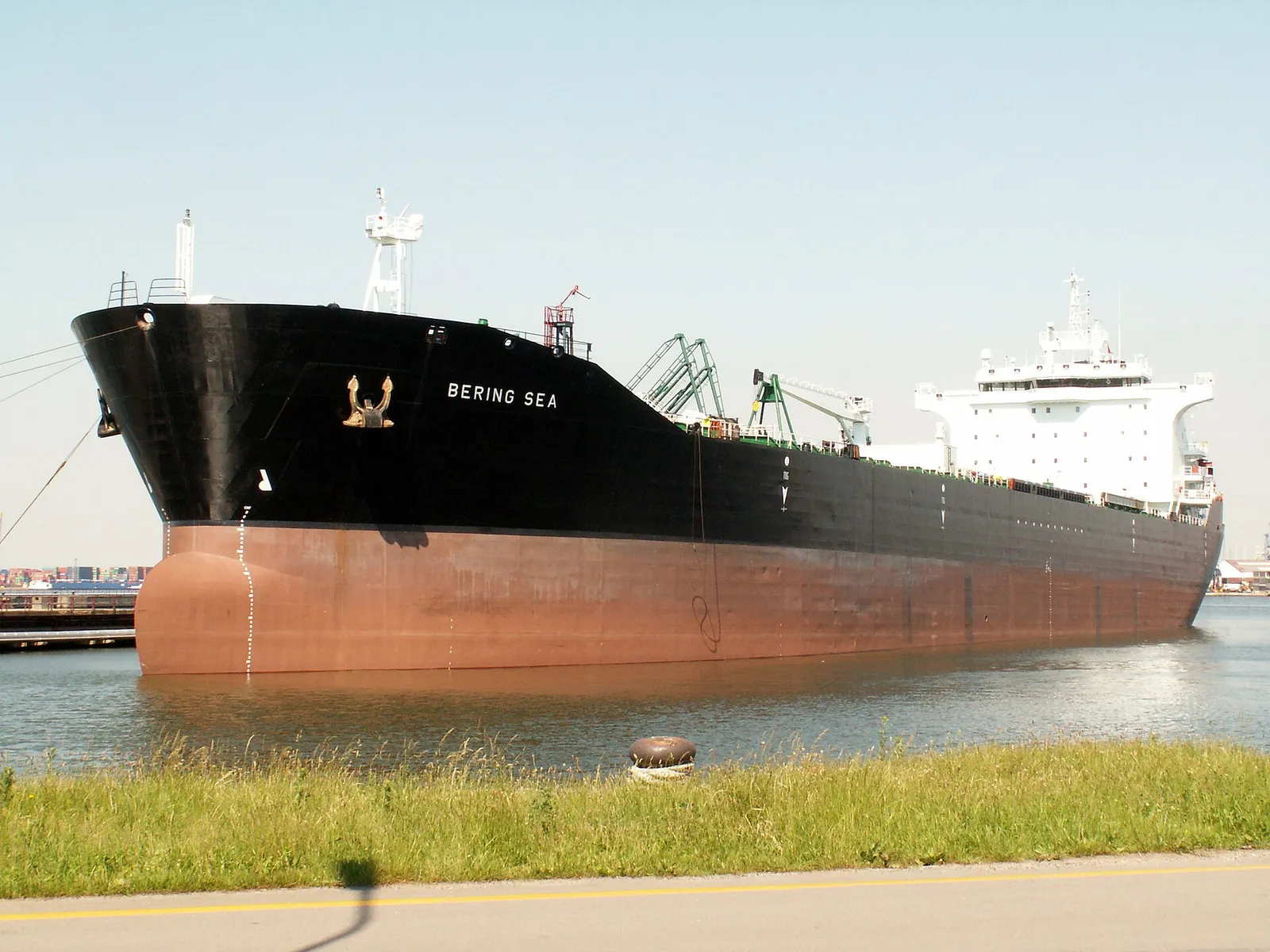
The added barrels carry more weight now that they can actually reach buyers. For months, exports through the Strait of Hormuz, the narrow waterway that handles a large share of the world's seaborne crude, were choked off during a confrontation with Iran, and prices spiked above $120 a barrel, as Investing.com noted. With that crisis easing, tanker traffic through the strait has been recovering toward pre-crisis levels, Al Jazeera reported.
The combination, returning Gulf exports plus fresh OPEC+ barrels, has swung the mood in the oil market from shortage to potential glut. Brent crude was trading near $72 a barrel on Friday, per Investing.com, far below its wartime peak, with US crude lower still.
The demand question
Whether prices fall further depends on who buys the extra oil. Al Jazeera reported that a large volume of Iranian crude was waiting to sail once the strait reopened but was struggling to find buyers, in part because independent Chinese refiners, big customers for discounted Iranian barrels, had lined up alternative supplies during the blockade, according to Al Jazeera. Soft demand from China, alongside growing production outside the group, is one reason prices have stayed subdued even as the crisis receded.
What to watch
OPEC+ has kept its options open, saying it can speed up, pause or reverse the return of supply depending on conditions. That flexibility will be tested at the August 2 meeting. For now, the group is betting that the worst of the supply disruption is over, and the market, with prices down sharply from their peak, appears to agree. The risk on the other side is a region where tension can flare again quickly, which keeps a floor of uncertainty under an otherwise well-supplied market.