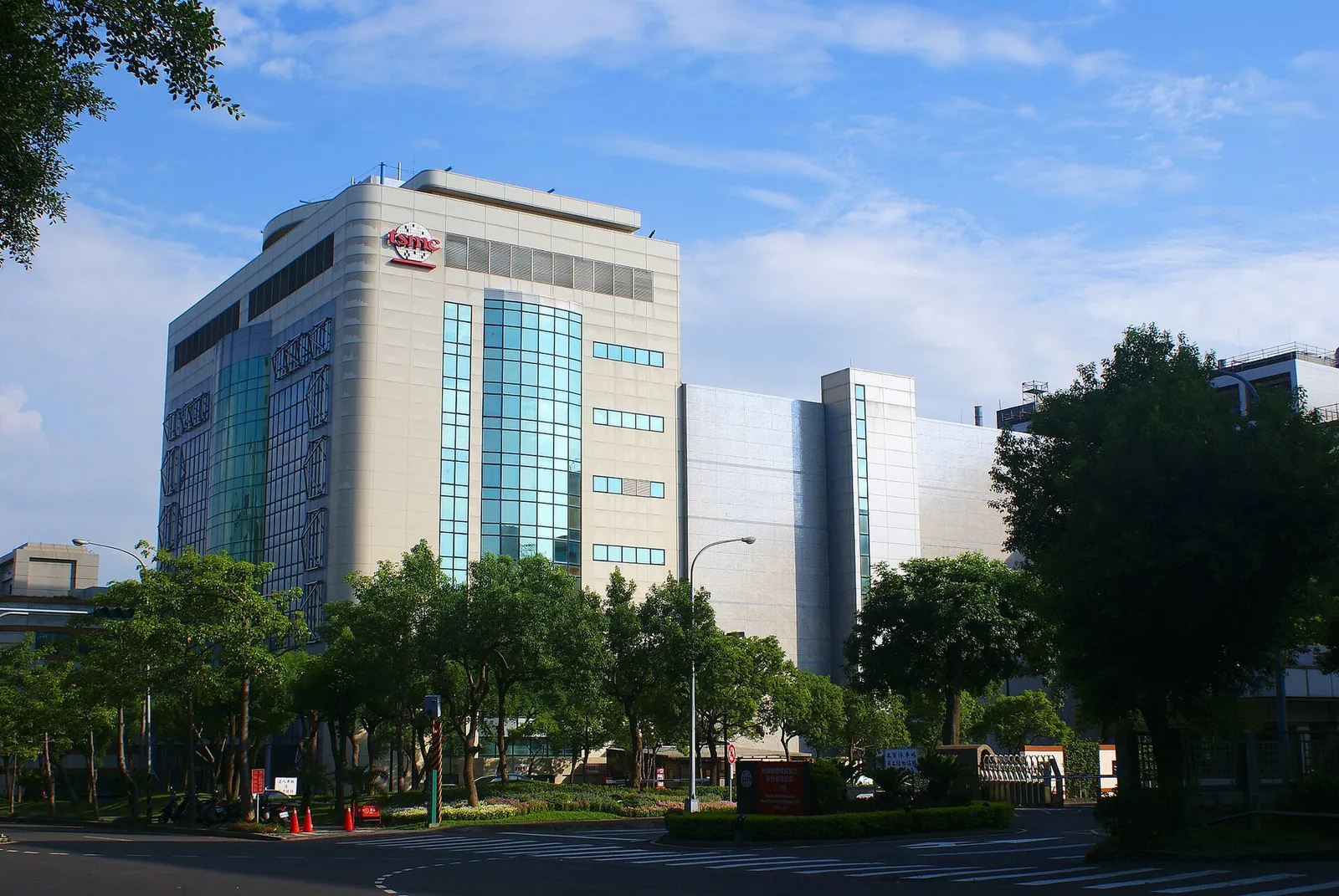
Xiaomi has three new in-house chips, and TSMC will manufacture the flagship one on its 3-nanometer process, according to two people familiar with the plans who spoke to Reuters and declined to be identified because the plans are not public.
The three parts are the Xring O3, a 3nm smartphone processor already in mass production; the Xring O100, a 6nm neural processing unit built to run Xiaomi's own MiMo language model; and the Xring D100, a 3nm chip for autonomous driving. The O100 and D100 have finished development and are slated for deployment next year.
The interesting word is Taiwan
A Chinese consumer electronics company designing its own 3nm silicon is a genuine capability. Having it fabricated in Taiwan is the part that describes where the industry actually is.
China has a domestic leading-edge foundry in SMIC, and it does not offer 3nm. The gap is not a matter of engineering ambition but of equipment: the extreme-ultraviolet lithography machines required at the leading edge are made by a single Dutch company and are not exportable to China. A Chinese firm that wants a 3nm part therefore designs it at home and has it made abroad, which is precisely what the export controls were built to produce and precisely what they cannot prevent, since design tools and foundry access are different chokepoints.
So this announcement points in two directions at once. Chinese chip design has climbed to the leading edge. Chinese chip manufacturing has not, and this is a company routing around that fact rather than solving it.
The volumes are small
One of the sources put a shipment target on the O3 of 200,000 to 300,000 units, in Xiaomi's forthcoming flagship folding phone.
That number deserves attention because it is the opposite of a large number. Xiaomi ships smartphones in the hundreds of millions annually. A part destined for a few hundred thousand foldables is a demonstration, not a supply chain shift, and it will not displace meaningful volume from the merchant silicon Xiaomi buys for everything else.
The predecessor gives the trajectory. The Xring O1 launched in May 2025 and has passed one million cumulative units across devices. That is real and it is also, against Xiaomi's total shipments, a rounding item. In-house silicon at this scale buys differentiation on a halo product and negotiating leverage with suppliers, both of which are worth having, and neither of which is vertical integration.
Why a company does this anyway
The strategic logic does not depend on volume. Designing your own processor gives you control over the feature set, the timing of the roadmap, and how tightly the silicon is matched to your own software, which matters more once the software includes a proprietary model.
The O100 is the clearest illustration. A 6nm neural processing unit built specifically to run MiMo is a bet that the differentiating experience on a phone will be a model the company controls, running on hardware the company specified. Whether that turns out to be right is unsettled everywhere, not just at Xiaomi.
What to watch
Two things, and the chip specifications are neither.
Whether the O3 stays confined to a flagship foldable or migrates into higher-volume models will show whether Xiaomi believes the economics work outside a halo product. And whether the 3nm work stays at TSMC will be the more consequential signal, because the day a Chinese firm's leading-edge silicon is fabricated in China is the day the export controls have stopped binding.
Neither question is answered by this announcement, which is a set of unconfirmed sourcing details about parts that mostly ship next year.