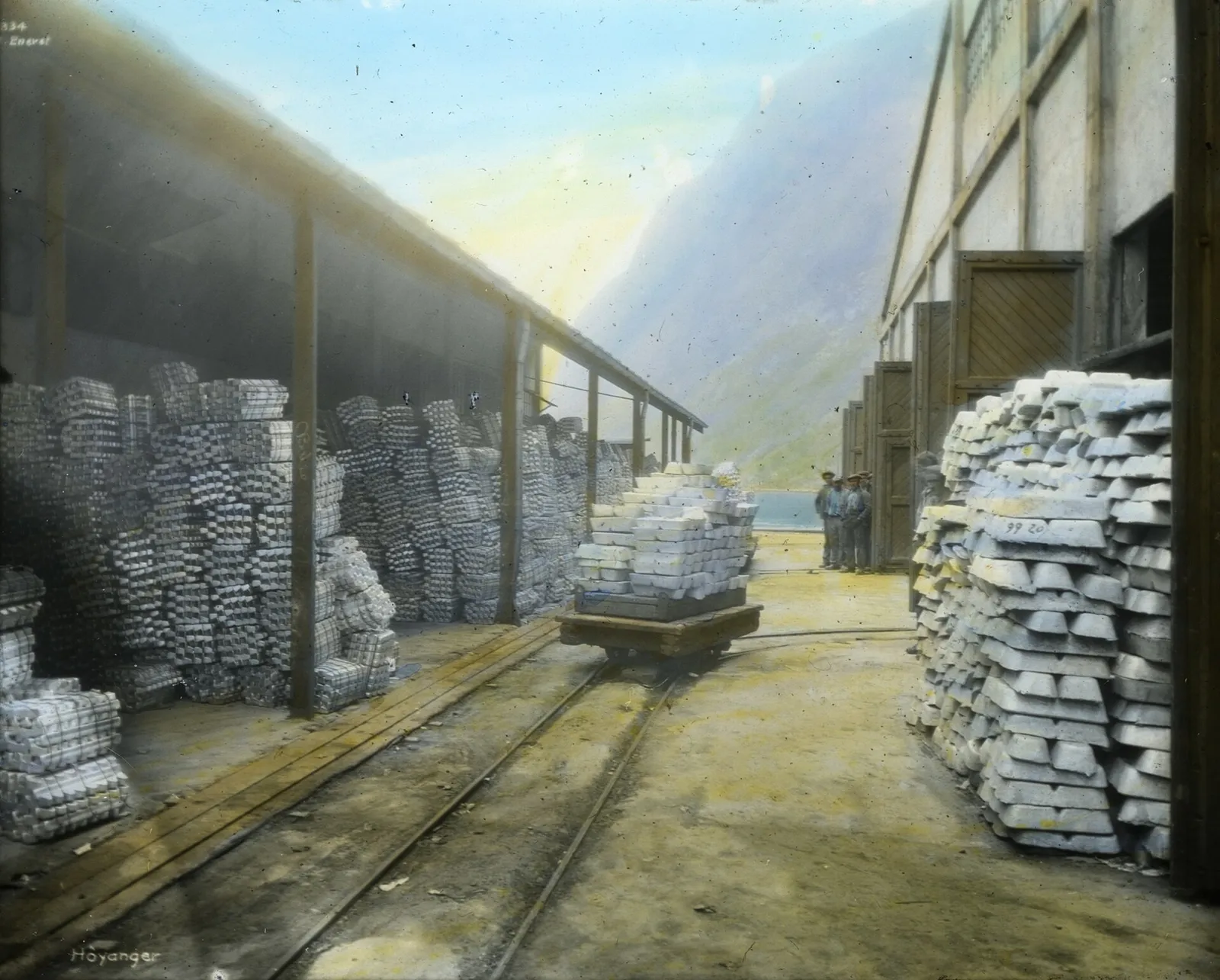
The US aluminum producer Alcoa is making a major bet on the metal's future. It's buying most of South32's aluminum business for $4.1 billion upfront — and up to $5.6 billion including contingent payments — in a deal that stitches together mines, refineries and smelters across Australia, South Africa and Brazil, Alcoa announced.
The deal
Alcoa is paying $3.1 billion in cash plus about $1 billion in stock, with up to $750 million more to come if aluminum and alumina prices clear agreed levels over the next few years, Mining.com reported. The assets include the Worsley alumina refinery and Boddington bauxite mine in Australia, the Hillside smelter in South Africa, and refining and smelting operations in Brazil. (South32's Mozal smelter in Mozambique is not included.) The deal is expected to close in the first half of 2027, pending South32 shareholder and regulatory approval.
Why it's about the whole supply chain
The logic is vertical integration — owning every stage of making aluminum. Here's the chain in plain terms: bauxite ore is mined, then refined into a white powder called alumina (aluminum oxide), which is finally smelted at very high temperatures into aluminum metal. Controlling all three steps helps a producer protect its margins when commodity prices swing and guarantee its own supply. Alcoa's CEO William Oplinger called the assets "a strong strategic fit," and the company says the combination will lift its scale in both alumina and aluminum and generate hundreds of millions in synergies.
For South32 — an Australian miner spun out of BHP — the sale is a simplification. Aluminum is capital-hungry and cyclical; South32 wants to pivot toward what it calls higher-return, longer-life metals like copper, zinc and silver, where it sees steadier growth.
The market backdrop
The timing tracks two forces reshaping aluminum:
- Electrification. Aluminum is light and conductive, so demand is climbing with electric vehicles (which use notably more aluminum than gas cars, for lightweighting and battery housings), grids and renewables. The industry group Aluminum Association projects steadily rising aluminum content per vehicle.
- Tariffs. The US has kept steep tariffs on imported aluminum — reported at 50% under the Section 232 metals regime — which raises the value of US-based and integrated production and reshapes where metal flows. It's the same trade-policy story Boursel has tracked pushing companies to localize supply chains.
Why it matters
For Alcoa, the deal cements its status as a leading pure-play aluminum producer with a deeper, more integrated footprint — a hedge against price swings and a play on rising electrification demand. For South32, it's a cleaner portfolio aimed at metals it likes better. And for the metals market, it's another sign of consolidation: big, cyclical, capital-intensive assets flowing to the owners most committed to running them, in an era when who controls the supply chain increasingly determines who profits. Boursel offers no view on either stock; the takeaway is that aluminum — an old-economy metal — is drawing new-economy money, on the bet that electrification and tariffs make controlling it more valuable than ever.