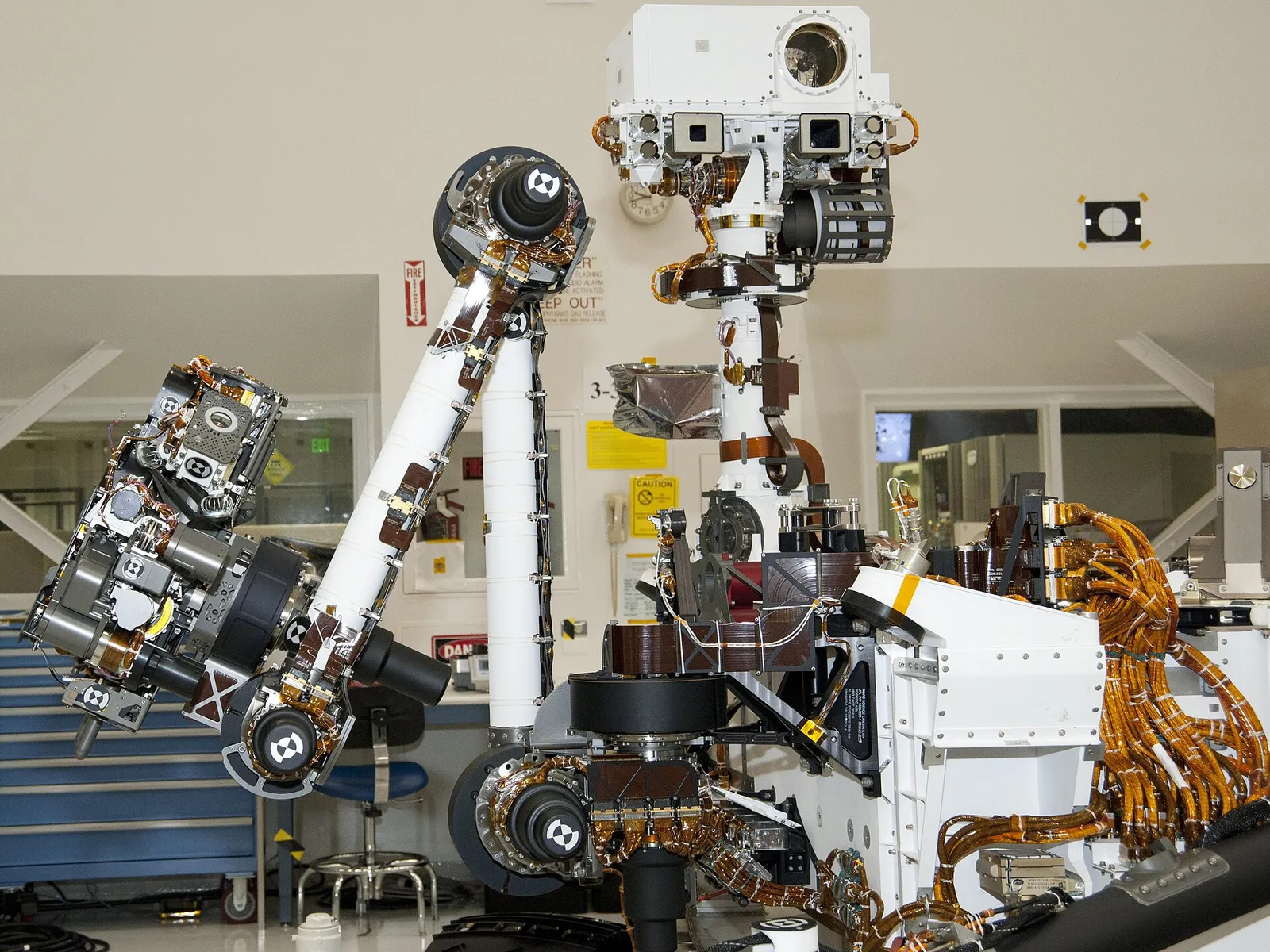
NASA is weighing a thrifty idea with a twist of the dramatic: instead of building a new Moon rover from scratch, repurpose a spare one it already has — a full twin of the Perseverance Mars rover — and drive it across the lunar surface, Ars Technica reported. It's a proposal under study, not a green-lit mission — but a telling one about how NASA is trying to do more for less.
The spare rover
The vehicle is an engineering twin of Perseverance, built and used on Earth to rehearse commands and fixes before they're sent to the real rover on Mars. The hardware already exists, fully built and tested — which is the whole point. Reusing it could be cheaper and faster than designing a new lunar rover, sidestepping years of development and supply-chain delays. NASA floated the idea as part of an update on its broader Moon base plans.
Why nuclear power is the key
The crucial feature is how the rover is powered. Perseverance and its twin run on a radioisotope thermoelectric generator (RTG) — a device that makes electricity from the heat of decaying plutonium, not from sunlight.
That matters enormously on the Moon. Most of the lunar surface endures a two-week-long night, during which there's no sunlight and temperatures collapse to roughly −180°C. A solar-powered rover simply shuts down (and risks freezing) through that long darkness. An RTG-powered rover keeps generating its own heat and electricity regardless — so it can survive the lunar night and keep working, a decisive advantage for sustained exploration.
What it would do
The proposed destination is the Moon's south pole, the same region NASA is eyeing for a future Artemis base because it's thought to hold water ice in permanently shadowed craters. The rover would do prospecting — mapping the terrain and hunting for that ice, which could one day supply drinking water, breathable oxygen and rocket fuel for a long-term human presence. NASA's nearer-term Moon-base plans run into the tens of billions of dollars, so squeezing value from existing hardware has obvious appeal.
The caveats — this is not a done deal
Several cautions belong up front:
- It's a proposal. NASA says it will study options and seek input; no mission has been approved.
- Adapting a Mars rover for the Moon is hard. The terrain, dust, temperatures, communications and operating routines differ — this isn't plug-and-play.
- Nuclear fuel is scarce. The plutonium-238 that powers RTGs is in limited supply, constraining how many such rovers can ever fly.
- Budgets shift. Like all NASA plans, it's subject to funding and political priorities.
Why it matters
For lunar exploration, the idea reflects a pragmatic turn: reuse what works, adapt it, and move faster toward the Moon's south pole — the prize everyone from NASA to Blue Origin (whose lunar ambitions Boursel has covered) is chasing. For the space economy, finding water ice would be a genuine commercial and strategic milestone, since hauling water and fuel from Earth is ruinously expensive. And for taxpayers, repurposing a built-and-paid-for rover is the kind of frugality rarely associated with big space programs. Boursel takes no view on NASA's budget choices; the takeaway is that one of the most expensive questions in space — how do you work through the two-week lunar night? — may have a ready answer already sitting in a NASA test lab.