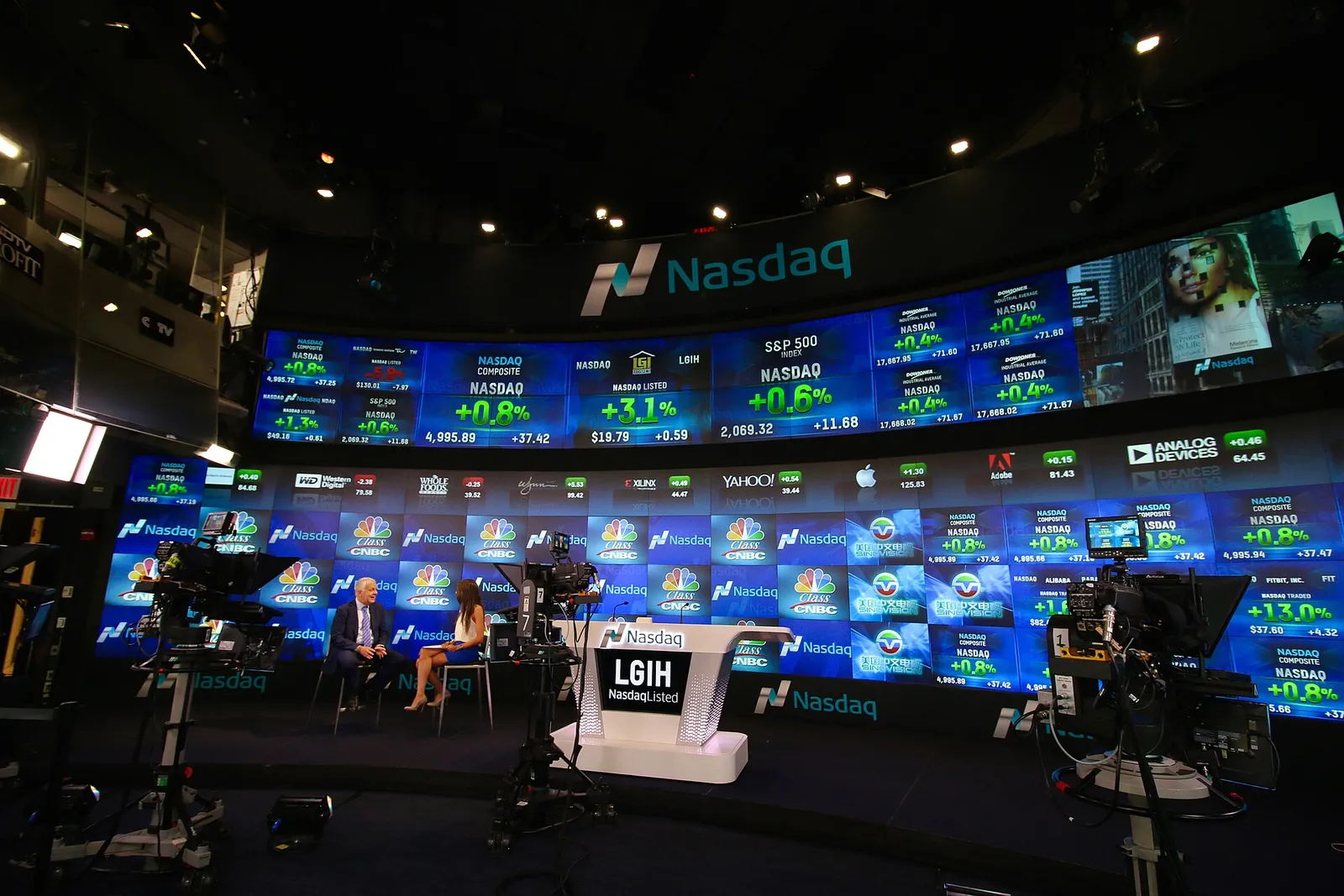
A pillar of traditional finance is plugging into the plumbing of crypto. Nasdaq is distributing some of its proprietary market data on-chain — onto blockchains — through Pyth Network, CoinDesk reported. It's described as the first time Nasdaq has piped its own first-party data directly onto blockchains, and it says a lot about where markets are heading.
What's happening
Nasdaq is making its TotalView feed — its premium "depth-of-book" data, which shows the full ladder of buy and sell orders at every price across Nasdaq-listed stocks — available through Pyth, Cointelegraph reported. That puts exchange-grade, real-time US equity data within reach of on-chain applications.
What an "oracle" is
This is where Pyth comes in. Blockchains can't natively see data from the outside world — they don't know the price of a stock, a currency or gold. An oracle is the bridge: a service that fetches real-world data and feeds it onto a blockchain, so that "smart contracts" (self-executing on-chain programs) can use it. Pyth is a leading market-data oracle, pulling prices from 100-plus exchanges, market makers and trading firms and publishing them across many blockchains, with rapid updates.
(Explainer: on-chain means recorded on a blockchain; a smart contract is code that runs automatically on that blockchain; DeFi — decentralized finance — is financial services built from such contracts, which need reliable price feeds to work.)
Why it matters
Reliable, professional-grade prices are the raw material for on-chain finance: tokenized assets, on-chain derivatives, prediction markets and DeFi apps all need trustworthy real-time data, and bad price feeds have caused real losses in crypto's past. Having a marquee, trusted exchange like Nasdaq supply first-party data on-chain is therefore a credibility milestone — it brings the kind of data quality institutions expect.
It also fits a bigger theme Boursel has tracked: the tokenization of real-world assets and the blurring line between Wall Street and crypto. Nasdaq has signaled ambitions to tokenize equities and build blockchain-native market infrastructure; supplying the data layer is a logical early step. Nasdaq joins other established names — including Tradeweb, OTC Markets and Euronext — already publishing data through Pyth.
The business angle
There's a commercial logic, too. Market data is a lucrative, high-margin business for exchanges — a large, mostly recurring share of Nasdaq's revenue comes from data and technology. Distributing TotalView on-chain opens a new channel to reach blockchain-native developers and platforms who don't use legacy data terminals — extending a profitable franchise to a new audience. (This is about distribution, not a bet on crypto-token prices.)
Why it matters
For Nasdaq, it's a low-risk way to meet developers where they're building and seed future tokenized markets. For Pyth and oracles, landing a name like Nasdaq is validation that TradFi data belongs on-chain. And for the broader convergence story, it's another brick in the wall: after stablecoins and tokenization pushes, even the price data that markets run on is moving on-chain. Boursel offers no view on any token or company; the takeaway is that the boundary between traditional finance and blockchain keeps thinning — and this time it's the data itself crossing over.