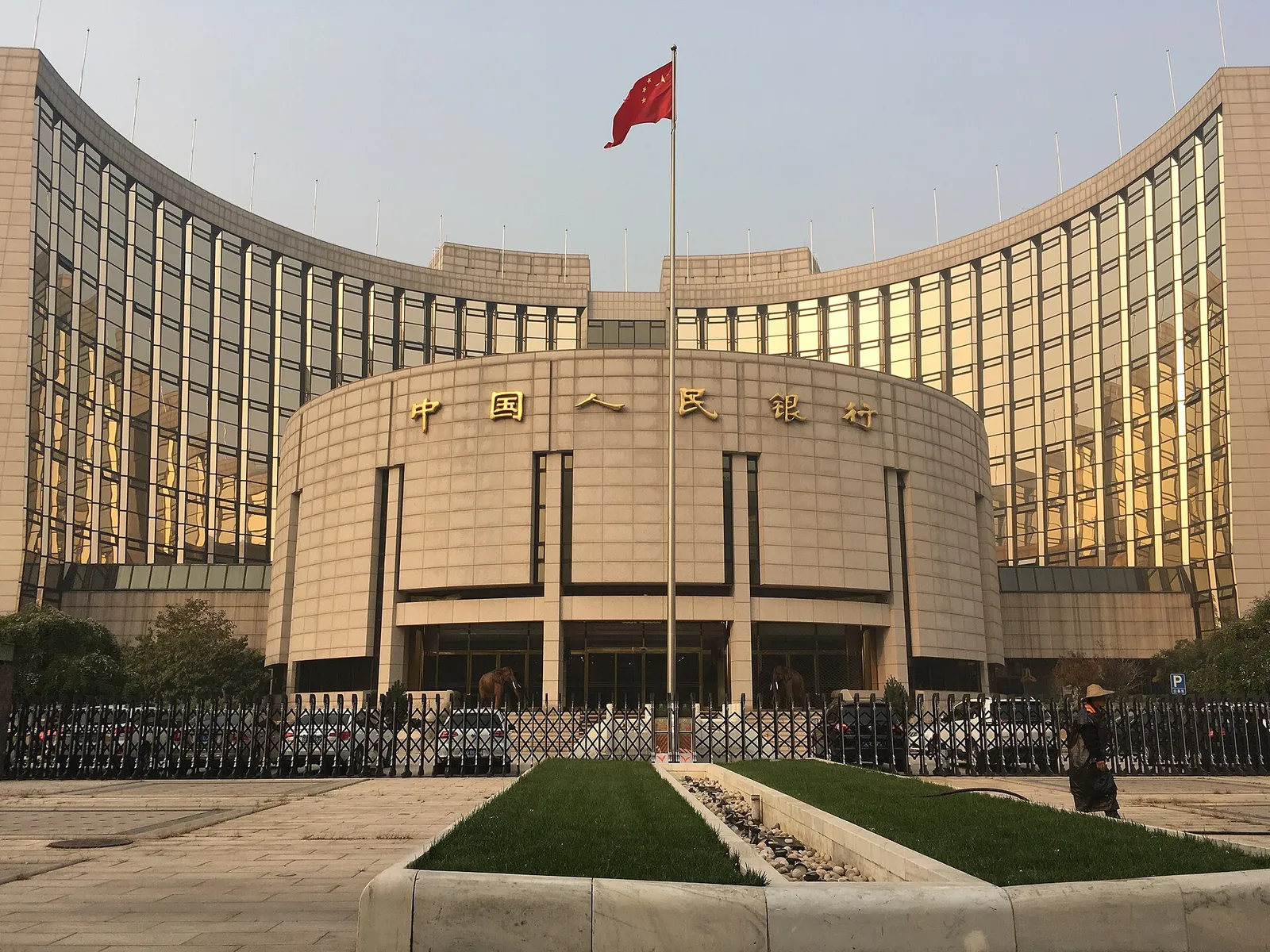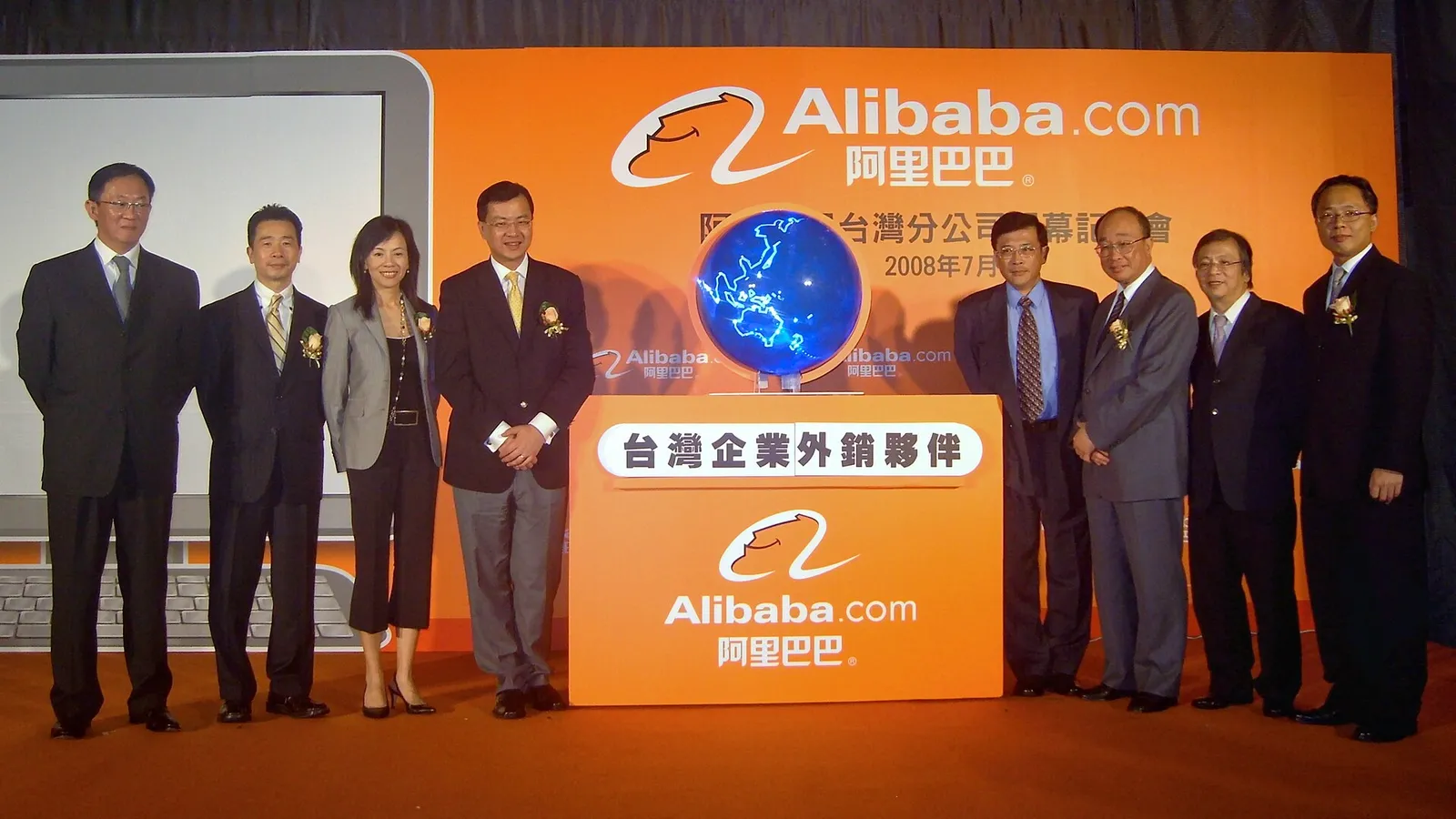
Alibaba Group has sued the U.S. Department of Defense, asking a federal court to remove the company from a Pentagon list of firms it says are tied to China's military, Reuters reported. The company filed the suit on June 23 in federal court in San Jose, California, two weeks after the Pentagon added it on June 8 to the so-called Section 1260H list of "Chinese military companies."
What the list is
Section 1260H is a list Congress requires the Defense Department to publish each year, naming companies it considers linked to China's defense industrial base. The designation is not, by itself, a sanction: it does not freeze assets or bar Americans from owning the shares. Its weight is largely reputational and procurement-focused. As Reuters noted, listed firms are barred from supplying goods, services or technology to the Pentagon as of June 30, and from 2027 the department is prohibited from contracting with them even indirectly through third parties.
The roster has expanded sharply, growing to roughly 188 companies this year from 134 in 2025, according to Al Jazeera. Other recent additions include Baidu, BYD and NIO; pharmaceutical group WuXi AppTec filed its own challenge earlier in June.
The two sides
The Pentagon contends Alibaba is a "military-civil fusion contributor to the Chinese defense industrial base," citing an alleged affiliation with China's Ministry of Industry and Information Technology (MIIT), Reuters reported.
Alibaba rejects the characterization. The company said the determination has "no basis in fact or law" and that its products and services "are built for retail, logistics, and enterprise information technology — not weapons, defense, or intelligence," according to Al Jazeera. Its complaint argues the listing is "arbitrary and capricious" and has caused "irreparable harm" to its reputation and commercial relationships, and frames the action as a violation of its constitutional due-process and free-speech rights.
A familiar legal path
Alibaba is following a route that has worked before. Smartphone maker Xiaomi was placed on a predecessor blacklist in January 2021, sued, and won a preliminary injunction that March after a federal judge found the Pentagon had not assembled sufficient evidence under the Administrative Procedure Act. The government removed Xiaomi from the list in May 2021 rather than continue the fight.
Market and policy backdrop
The market reaction was muted relative to the headline: Alibaba's U.S.-listed shares fell about 2.3% on the news, Reuters reported — consistent with a designation that signals caution to investors and partners without imposing direct financial penalties.
The dispute lands amid a continued unwinding of U.S.-China technology ties, as Washington tightens scrutiny of Chinese firms in computing, telecommunications and artificial intelligence. A ruling for Alibaba would echo the Xiaomi precedent; a ruling for the Pentagon would harden a tool that has become central to U.S. efforts to wall off its defense supply chain from Chinese suppliers.