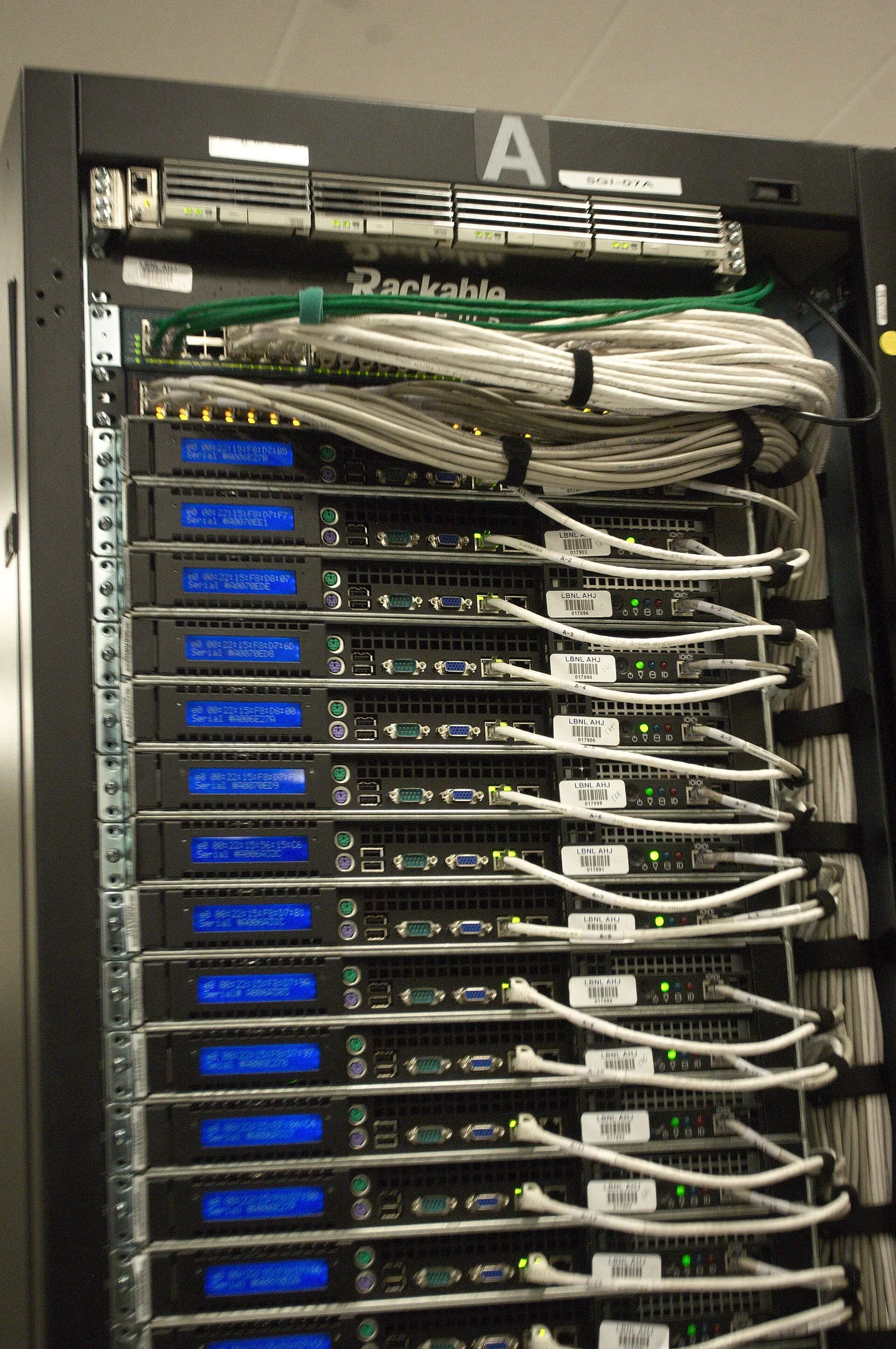
The global race for AI computing power has a new entrant with serious firepower. Firmus Technologies, an Australian AI-infrastructure company, said it has signed a strategic partnership with Nvidia that gives it access to 170,000 graphics processing units (GPUs) — the specialized chips that train and run modern AI — Investing.com reported.
The terms
Firmus will receive the chips in phases from the first quarter of 2027 to the start of 2028, and deploy them in a new data center in Batam, Indonesia, per the report. The company expects the arrangement to generate up to $30 billion in revenue over its first six years, as it rents out the computing capacity to customers who need to train and run AI models. Nvidia, for its part, earns from selling the hardware and takes a share of the resulting cloud revenue.
Why these chips are so coveted
An AI accelerator — Nvidia's specialty — is a chip purpose-built for the massive parallel math that AI requires; Nvidia's are the industry standard, and demand has run far ahead of supply for years. The bulk of each new generation's output is snapped up first by the hyperscalers — Amazon, Microsoft and Google's clouds — leaving smaller and regional players scrambling for inventory. A 170,000-chip allocation to a company most readers have never heard of is therefore notable in itself.
'Sovereign AI' and the pitch
The deal sits inside a broader trend often called sovereign AI: countries and regions wanting their own AI computing capacity rather than renting everything from a handful of American giants. Firmus, which builds energy-focused "AI factory" data centers, frames itself as a cheaper alternative for the smaller AI companies that can't command the hyperscalers' attention or prices. "This is actually a really material way to level the playing field a little bit to give the next generation a chance to compete with the big guys," co-chief executive Tim Rosenfield said.
The company is no minnow: it raised $1.35 billion over six months and reached a $5.5 billion valuation in April, with Nvidia itself among the investors, and is reported to be preparing for an eventual stock-market listing. Its Australian build-out, "Project Southgate," aims to scale data-center capacity across several cities over the next few years.
What it signals
Two forces are visible in one deal. First, the chip shortage is real and persistent enough that securing a guaranteed multi-year supply is itself a competitive edge worth building a business around. Second, the AI build-out is going global and going regional — Nvidia is increasingly striking deals with national and regional providers (Firmus is deploying in Indonesia, anchored in Australia) to serve markets and customers the US hyperscalers don't fully reach.
A word of caution befits the scale: the $30 billion is Firmus's own projection of future revenue, resting on customer demand that has to actually materialize, and the chips don't even start arriving until 2027. The AI-infrastructure boom has produced enormous announced numbers; how many convert into durable businesses is the question hanging over the whole sector. What's concrete today is the allocation — and in a market where the binding constraint is access to Nvidia's chips, locking up 170,000 of them is a genuine head start.