Apple is lobbying the Trump administration for approval to source memory chips from ChangXin Memory Technologies (CXMT), China's government-backed maker of DRAM, the Financial Times reported, according to Investing.com. The company is seeking assurances from the Commerce Department that buying from CXMT would not trigger future trade restrictions — in effect, asking Washington to bless the relationship before it commits.
What Apple is asking for
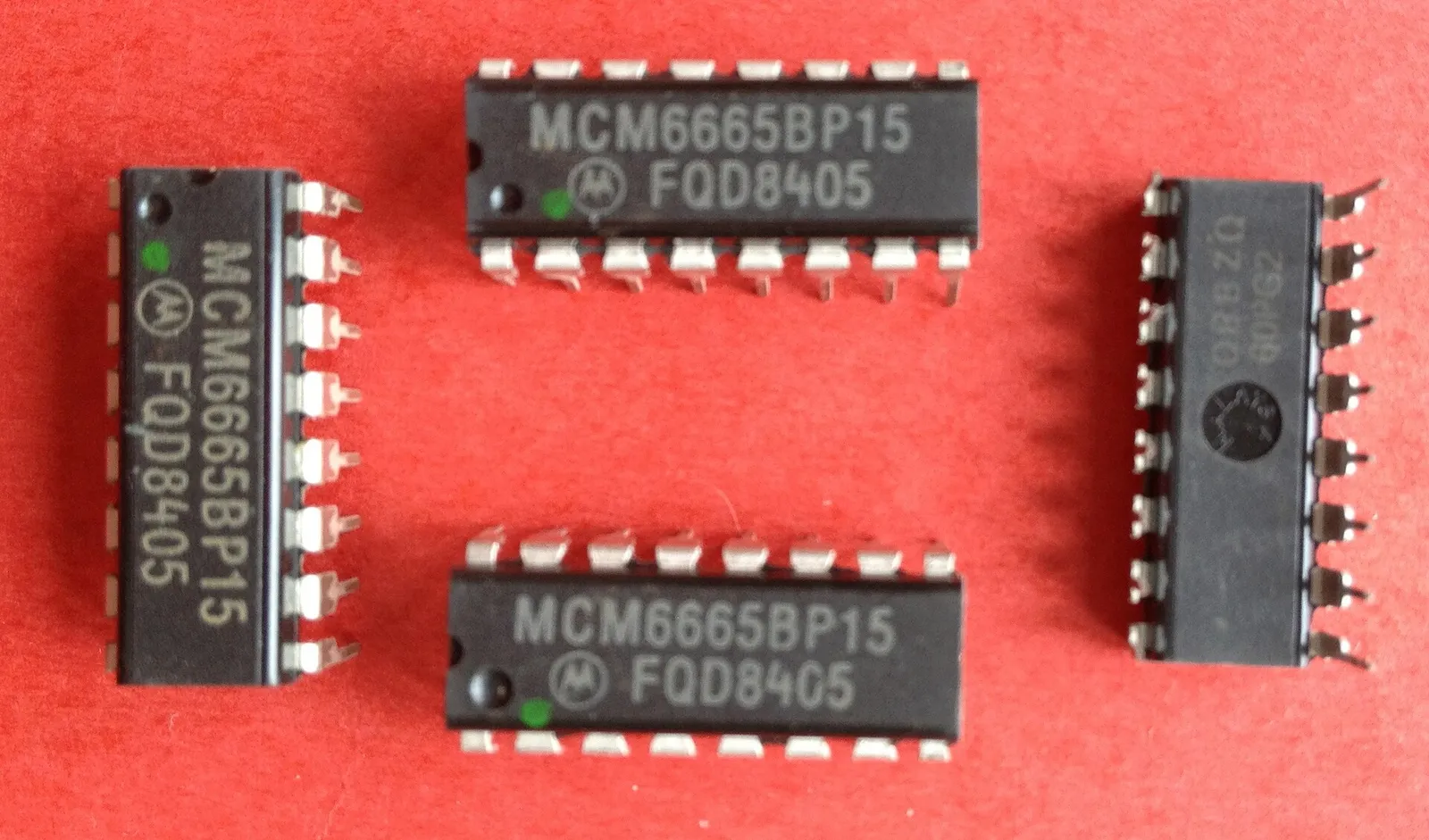
DRAM — dynamic random-access memory — is the chip that handles a device's active workloads, holding data while a processor is working on it. It is distinct from the flash storage that keeps your files and apps. Apple relies on all three of the established DRAM leaders — Samsung, SK Hynix and Micron — for the memory in its devices. Adding CXMT would be a meaningful shift in that supply chain.
The request is essentially for regulatory certainty. American firms that deal with Chinese suppliers flagged on national-security grounds risk drawing scrutiny — and potential penalties if the rules tighten later. Apple is seeking assurances up front that a CXMT arrangement would not be restricted down the line.
Who CXMT is
Built with heavy Chinese government support, CXMT has, in the FT's words, "rapidly emerged as China's national champion in the DRAM market" as Beijing pushes for semiconductor self-sufficiency. It recently received approval to pursue a listing on the Shanghai stock exchange.
But CXMT, along with fellow Chinese memory maker YMTC, sits on the U.S. Defense Department's list of Chinese Military Companies. As the report notes, that designation "carries reputational risks even though it does not generally prohibit commercial transactions." It signals that the Pentagon sees ties to China's military-industrial complex — and that ambiguity is exactly what Apple wants cleared up before signing anything.
Why the cost pressure
The business logic is straightforward. A surge in AI-related demand and tight industry capacity have pushed DRAM prices sharply higher, and Apple has already passed some of that on: the company raised MacBook and iPad prices by 20%, citing higher memory costs, the FT reported. Qualifying a lower-cost Chinese supplier would give Apple negotiating leverage with its existing vendors and could ease pressure on its margins.
The DRAM market is also highly concentrated. With Samsung, SK Hynix and Micron controlling the bulk of global supply, buyers have few alternatives when prices rise across all three at once — as they have during the current AI-driven demand cycle. A fourth qualified source would give Apple more room to maneuver.
A decision for Washington, not Cupertino
Whether Apple gets its clearance is far from certain. The report said it remains unclear whether the White House would back the request, "particularly given congressional opposition to expanding commercial ties with Chinese semiconductor companies viewed as strategically important." Lawmakers across the spectrum have argued that revenue flowing to firms like CXMT ultimately helps fund technology with national-security implications.
For Apple, the calculus is part cost and part resilience: leaning on three suppliers clustered in South Korea, the United States and Taiwan carries its own geopolitical risk, and a Chinese option would add diversity. But this is a decision that rests in Washington. Apple can make the case; only the administration can grant the clearance — and the politics around Chinese chips give it every reason to move cautiously.