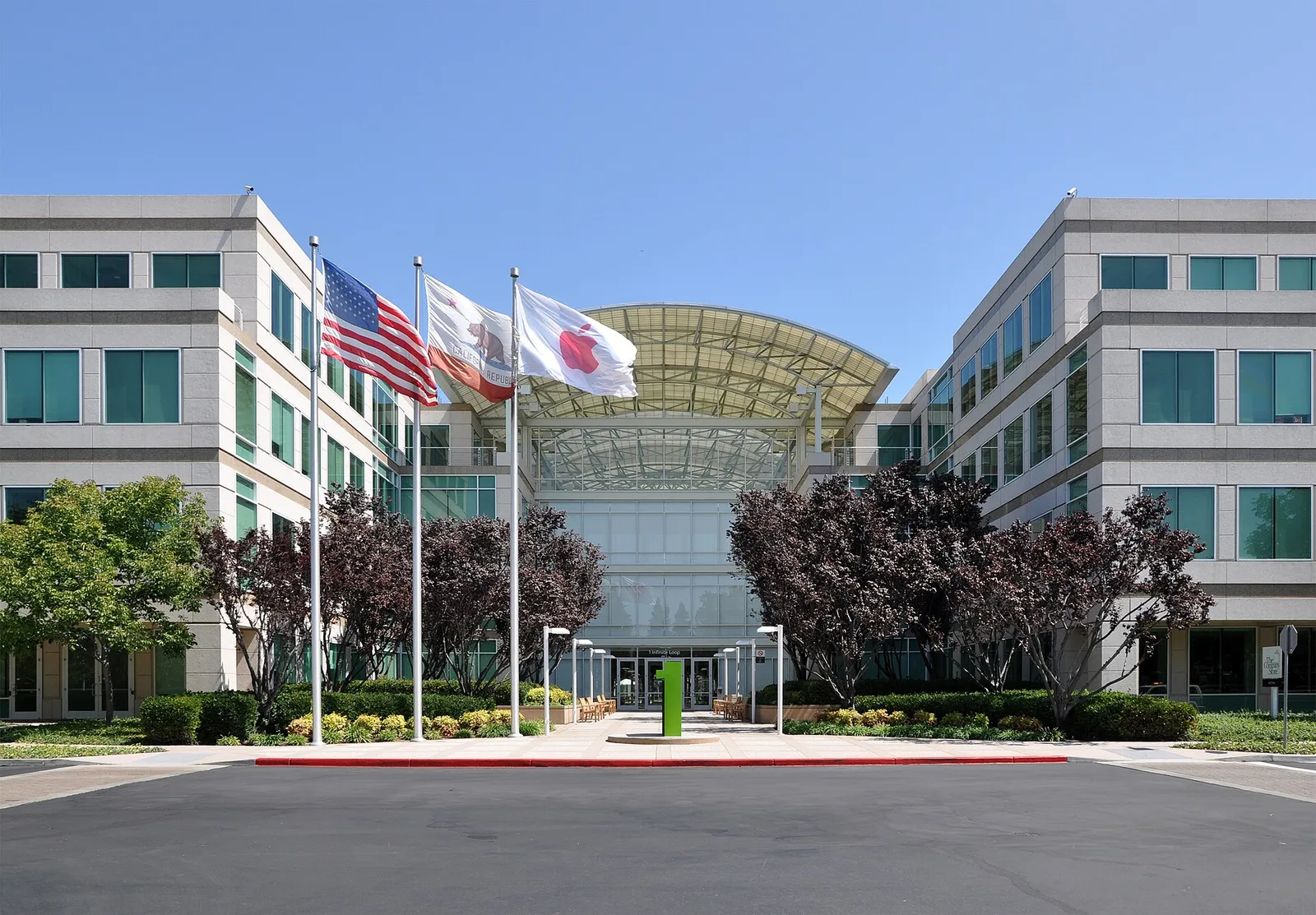
Apple is putting a very large number behind its promise to build more of its technology at home. The company said it had agreed to buy more than $30 billion of chips from Broadcom through 2031, in a deal Apple is calling its biggest commitment yet under its US manufacturing program, CNBC reported. The agreement is expected to result in more than 15 billion chips made in the United States.
What is actually being made
It helps to be precise about which chips these are. They are not the powerful "system-on-chip" processors, Apple's own designs, that run an iPhone or Mac. They are the specialized components that handle wireless connectivity: the custom parts (in industry jargon, ASICs, or application-specific integrated circuits) and radio-frequency chips that link a device to cellular networks, Wi-Fi and Bluetooth, Bloomberg reported. They are invisible to users but essential; without them, a phone cannot connect to anything.
Much of this work is to happen at Broadcom's facility in Fort Collins, Colorado, where the chipmaker is investing $1.5 billion to expand and modernize production. It is worth being clear on the money flows: the $30 billion-plus is Apple's purchasing commitment to buy components, not an equity investment in Broadcom, while the $1.5 billion is Broadcom's own spend on its plant.
Why Apple is doing it
Two forces are pushing this. The first is supply-chain security. The most advanced chipmaking has long been concentrated in Asia, especially Taiwan, a concentration that the pandemic-era shortages and rising geopolitical tension turned from a background risk into a boardroom worry. Committing to large-scale US production gives Apple more control and resilience.
The second is politics. Reshoring, bringing manufacturing back to American soil, has become a priority for policymakers, and big, headline-friendly domestic-investment pledges have become a way for large companies to align with that agenda. Apple has been rolling out a series of such commitments across its US supplier base; the Broadcom deal is the largest single piece.
What each side gets
For Broadcom, the value is certainty. It is one of Apple's most important suppliers of wireless and connectivity components, a position that gives it real leverage, and locking in Apple's demand through 2031 provides years of revenue visibility and the justification to invest in new capacity. That matters in a chip industry that swings through booms and busts; a multi-year anchor customer smooths the ride.
For Apple, the deal secures both supply and pricing for parts it cannot do without, while burnishing its domestic-manufacturing credentials. It also deepens a dependence: with billions of components and years of commitment on the line, the two companies are more tightly bound than ever.
Why it matters
The announcement is another entry in a now-familiar theme, the vast sums flowing into US chip supply. Whatever the politics, the economic logic is real: the companies that design and use advanced electronics increasingly want more of the underlying manufacturing close to home and under contract, rather than spread thinly across a fragile global supply chain. For investors, deals like this one turn abstract "reshoring" talk into concrete, decade-long purchase commitments, and hand a major, dependable revenue stream to the suppliers, like Broadcom, that sit in the right spot. This article is informational and not investment advice.