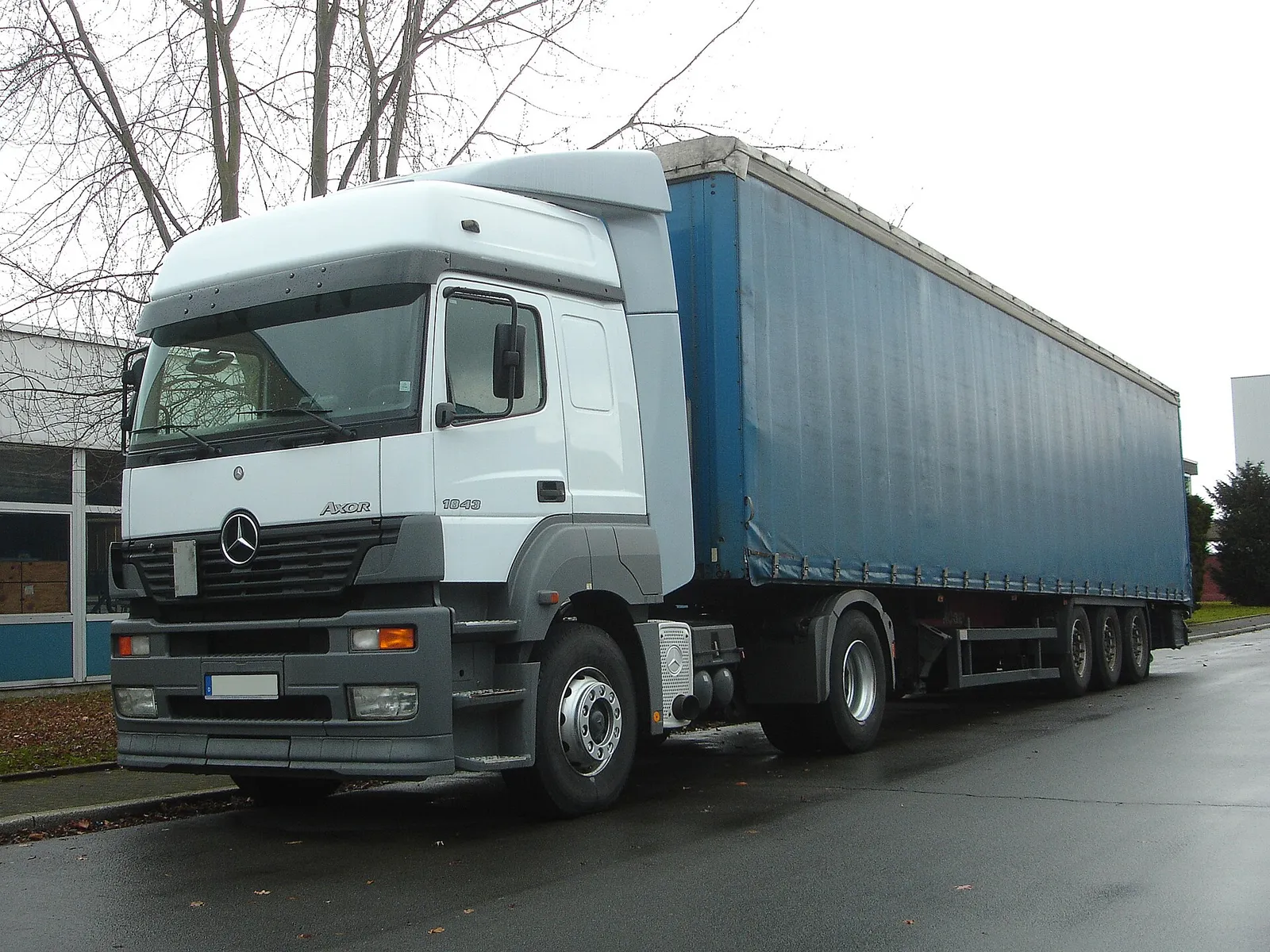
The world's biggest truckmaker delivered some welcome news for its investors, and a check to go with it. Daimler Truck said it sold 86,707 vehicles in the second quarter, up 8% from 80,607 a year earlier, with a rebound in North America doing much of the work, Reuters reported. Alongside the figures, the company said it would buy back up to €2 billion of its own shares.
Who Daimler Truck is
Though less familiar to consumers than its former parent, Daimler Truck is the largest commercial-vehicle manufacturer in the world. It was spun off from what is now the Mercedes-Benz Group in December 2021 to stand on its own, and it owns a stable of brands across regions: Mercedes-Benz Trucks in Europe, Freightliner and Western Star in North America, BharatBenz in India and buses under names like Thomas Built. That geographic spread is central to understanding the quarter.
North America did the lifting
The standout was the United States. Daimler Truck's North American arm, home to Freightliner, sold 41,687 trucks in the quarter, up 8% and rebounding after a weaker start to the year, Reuters reported. North America is the company's most important profit center, so strength there matters more than the same growth elsewhere would. Europe, by contrast, has been softer, weighed down by weak construction and freight demand, a reminder that the recovery is uneven.
The buyback, and where the money comes from
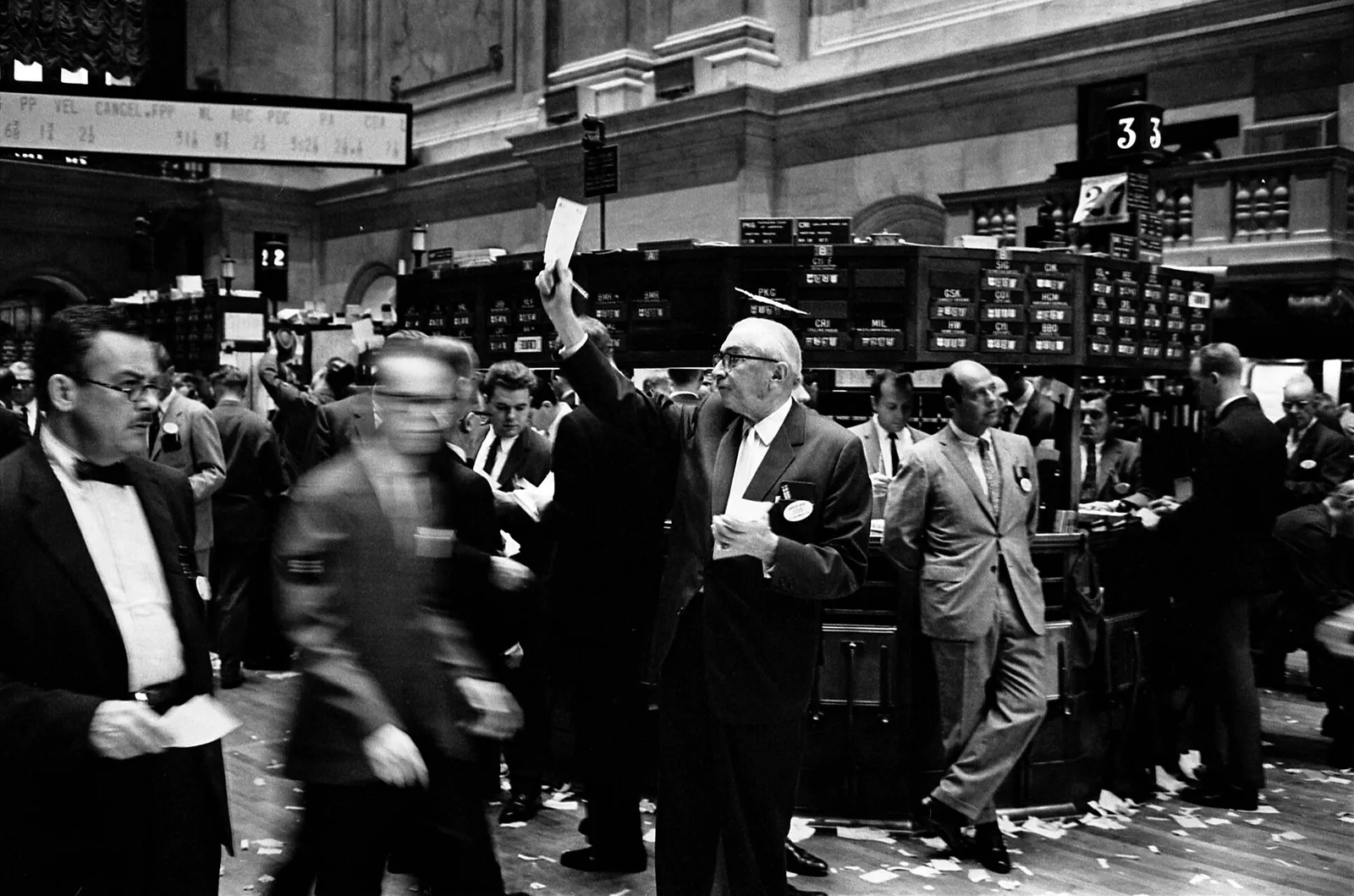
A share buyback is a way for a company to return cash to shareholders: it uses money to purchase its own shares in the market, which shrinks the number outstanding and, all else equal, lifts the value of each remaining share. Companies tend to do it when they have spare cash and believe their stock is worth more than the market says.
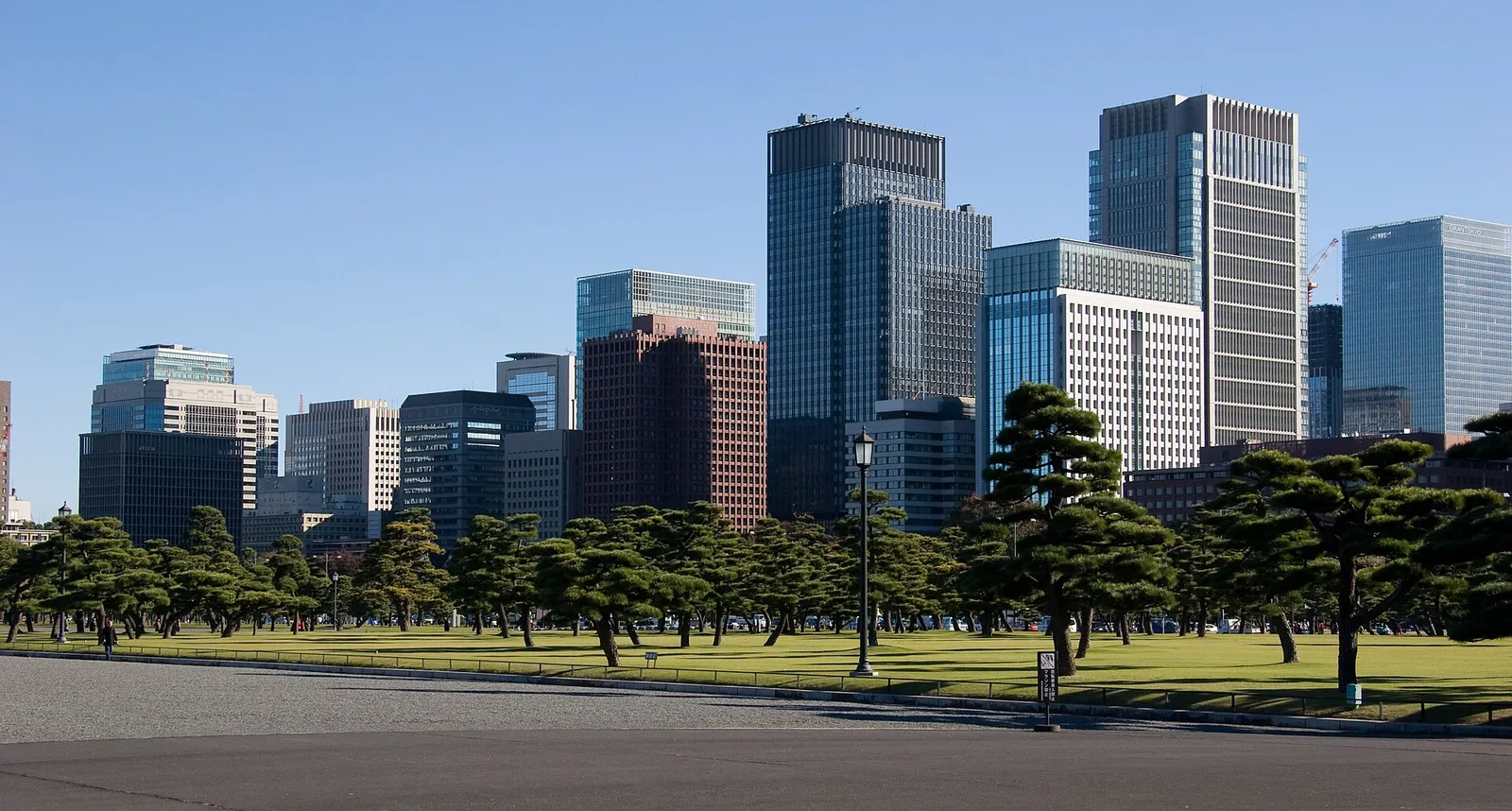
What is notable here is the funding. The up-to-€2 billion program is being underpinned by proceeds from a major reshaping of Daimler Truck's Asian operations. Its Japanese subsidiary, Mitsubishi Fuso, has been merged with Hino Motors into a new holding company called ARCHION, now listed in Tokyo, Daimler Truck said. Daimler Truck is cutting its stake in the combined business and expects to take in cash of roughly €1.5 billion to €2 billion from the deal, money it is now channeling back to shareholders. In effect, the company is turning a strategic consolidation in Asia into a capital return at home.
The backdrop
The results land in a trucking industry still working through a multi-year demand cycle. Freight volumes are showing signs of stabilizing after a downturn, but the sector faces real crosscurrents: shifting US trade and tariff policy, which matters for cross-border supply chains, and the costly transition toward electric trucks, which is forcing heavy investment even as margins are squeezed. Daimler Truck has guided to full-year deliveries in a range below last year's total, suggesting management is not betting on a full snap-back.
Why it matters
For investors, the combination, better volumes and a sizable buyback, reads as a statement of confidence: a company signalling that it has absorbed the worst of a down cycle and can afford to return capital while it invests in an electric future. For the wider economy, Daimler Truck is a useful barometer. Trucks move goods, so demand for them tracks the health of trade and industrial activity, and a rebound led by North America is a small, tangible sign that one big part of the freight economy is turning back up. This article is informational and not investment advice.