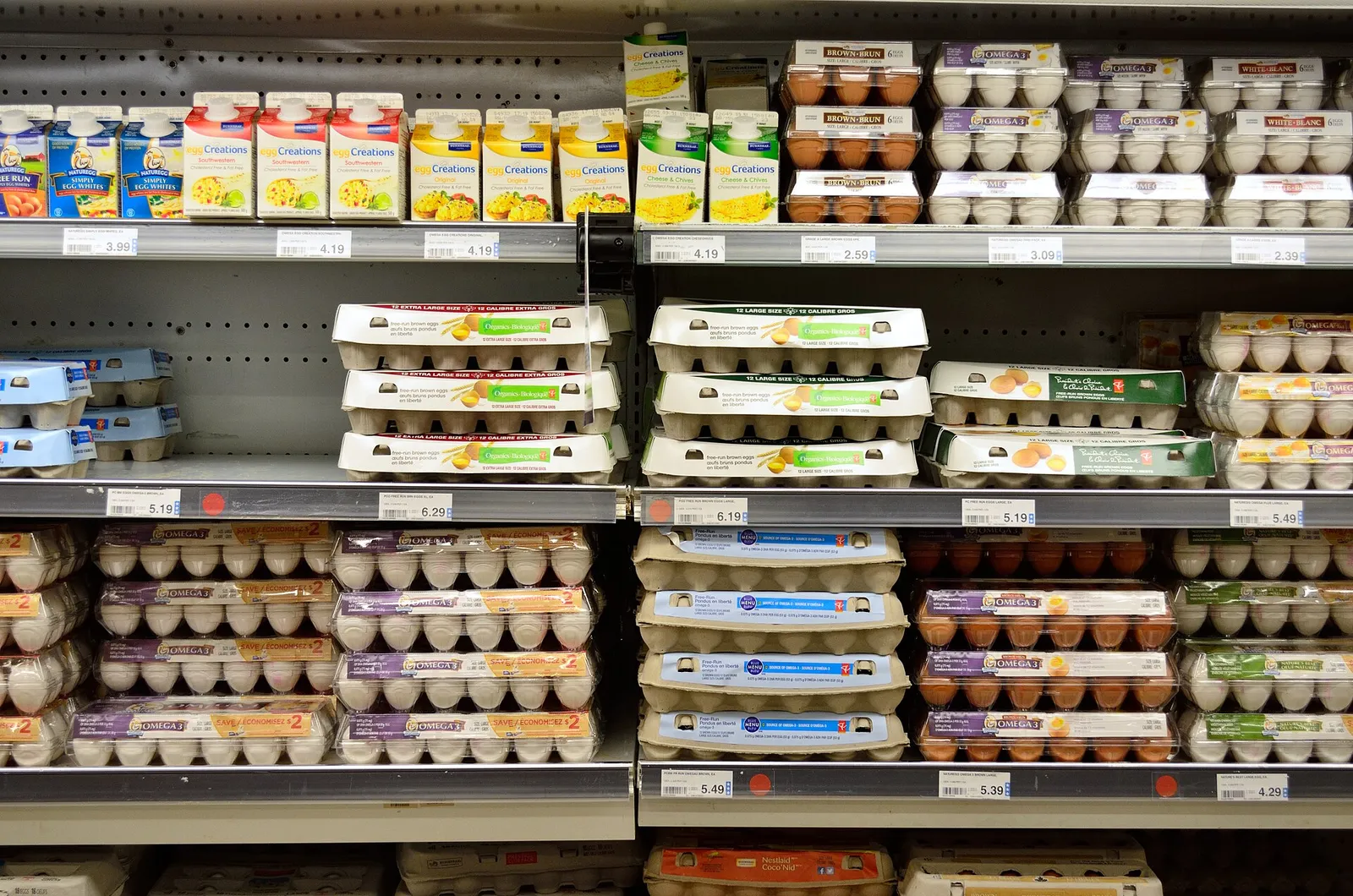
The largest U.S. egg producer may be close to drawing a line under a federal antitrust investigation — though, for now, that is a report rather than a done deal.
Cal-Maine Foods and other egg suppliers are nearing a settlement with the U.S. Department of Justice over allegations they coordinated egg prices, the Wall Street Journal reported, according to accounts of its reporting. No settlement has been announced, the terms have not been disclosed, and talks could still fall apart. Nothing is final.
How the case got here
The reported talks follow a year of mounting legal pressure. Cal-Maine disclosed in 2025 that it had received a civil investigative demand — a formal request for information — from the DOJ's Antitrust Division. By April 2026, Reuters reported that the department was preparing a civil antitrust lawsuit against Cal-Maine and the privately held producer Versova, with the agency saying a settlement remained possible. Hickman's Egg Ranch has also been named in connection with the probe.
What's alleged
The core allegation is that producers coordinated their pricing through an industry price-reporting service. Investigators have focused on Expana — formerly Urner Barry — which compiles widely used wholesale egg-price benchmarks. Prosecutors contend the producers fed sales data to the service and then used the resulting benchmarks to move prices in step rather than competing, according to reporting on the case. Some critics have argued producers used bird-flu disruption as cover to restrict supply; the industry disputes that.
Price-fixing — an agreement among competitors to set or stabilize prices instead of competing — is illegal under the Sherman Antitrust Act, the foundational U.S. competition law that the DOJ's Antitrust Division enforces. The probe described here is civil, not criminal; a civil settlement typically takes the form of a court-filed consent decree under which a company agrees to change its conduct, sometimes with a penalty and often without admitting wrongdoing.
Cal-Maine has rejected the price-fixing framing, describing itself as a "price-taker" in a fragmented market of hundreds of producers and saying it has expanded its flock to add supply, not curb it.
The egg-price backdrop
The investigation grew out of an extraordinary run-up in egg prices. U.S. retail prices hit record highs in early 2025, with the national average spiking sharply before easing in early 2026. The primary documented driver was avian influenza: the H5N1 outbreak that spread through commercial flocks from 2022 forced the culling of well over 100 million egg-laying hens, choking supply. The dispute at the heart of the antitrust case is whether prices rose more than that supply shock alone can explain.
Why it matters
Cal-Maine (Nasdaq: CALM), based in Mississippi, produces a large share of the eggs Americans buy and earned record profits during the period of elevated prices. A settlement would remove a significant legal overhang for the company, even if it does not directly lower prices for shoppers — civil antitrust enforcement aims to restore competition, not refund buyers. Separate private class-action suits seeking damages are proceeding in parallel. For now, the key qualifier is that the settlement remains, by all accounts, a report: neither Cal-Maine nor the DOJ has publicly confirmed it.