This is information on a tax proposal, not advice.
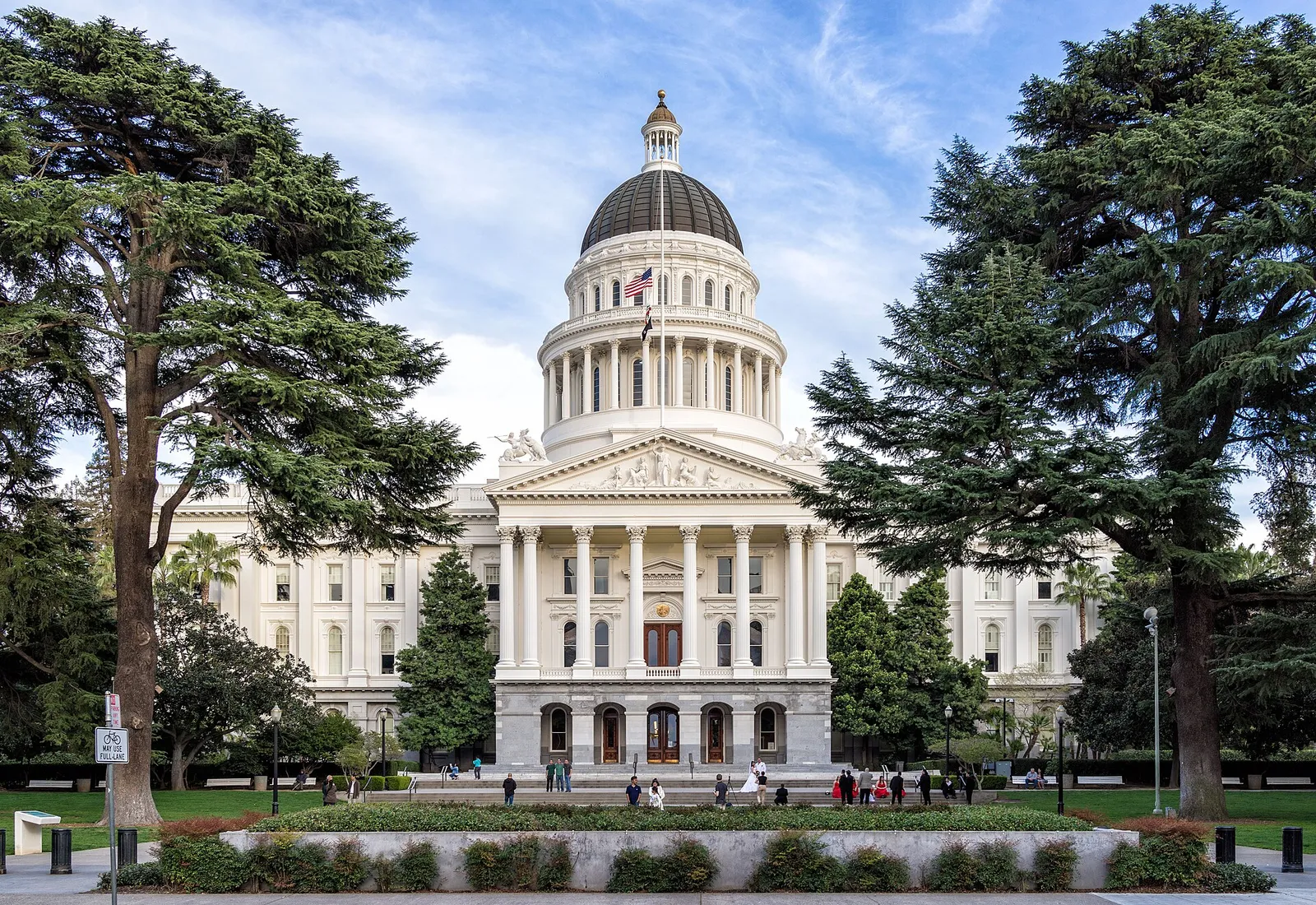
A wealth tax has long been a left-of-center aspiration in the United States. California voters are about to test it for real.
What's on the ballot
The 2026 Billionaire Tax Act would impose a one-time 5% tax on the net worth of any California resident worth more than $1 billion as of January 1, 2026, per the initiative text. The tax would be due in 2027, with an option to pay over five years. Directly held real estate, retirement accounts and IRAs are excluded from the calculation. The bulk of the revenue — about 90% — would be earmarked for public health care, chiefly Medi-Cal, the state's Medicaid program, which faces large projected federal funding cuts.
A note on terms: a wealth tax is levied on what you own (net worth), unlike income tax, which hits what you earn. That distinction is the whole fight.
How it got here
The measure qualified for the November ballot by gathering signatures. Proponents reportedly offered to scale it back in exchange for a legislative deal, but no agreement was reached before the deadline, so the original version proceeds to a vote. California's nonpartisan Legislative Analyst's Office estimated it could raise "tens of billions of dollars" over several years starting in 2027 — while cautioning the figure is highly uncertain.
The case for
Backers, including organized labor, frame it as a targeted, time-limited fix for a fiscal emergency. They cite research that California's billionaires — who collectively hold more than $2 trillion — pay a far smaller share of their wealth in taxes than ordinary workers pay of their income, because assets like stock can compound for years untaxed until sold. A 5% one-time levy, supporters note, is less than these fortunes typically gain in a single good year.
The case against
Critics, led by the Tax Foundation, warn the design is flawed. Valuing illiquid assets — stakes in private companies, founders' super-voting shares — is hard, and the initiative's formula could overvalue them, in extreme cases producing tax bills that exceed an asset's real market value. The Legislative Analyst's Office also flagged "tax flight": some billionaires would simply leave, permanently shrinking California's income-tax base by "hundreds of millions of dollars or more per year" — an ongoing loss against a one-time gain. California already has the highest top income-tax rate in the country (13.3%) and leans heavily on a thin slice of top earners. And the retroactive January 1, 2026 valuation date — already in the past — invites legal challenge.
The bigger picture
No U.S. state currently levies a true annual wealth tax, and federal proposals from Senators Warren and Sanders have stalled. Several European countries tried wealth taxes and most eventually repealed or pared them back, citing administration costs, capital flight and disappointing revenue. California's measure sidesteps some of that by being a one-time levy rather than a permanent annual tax.
What it means
For Californians worth under $1 billion — virtually everyone — there's no direct effect. For those above it, the impact hinges on what they own: concentrated public stock means a large but straightforward bill; private-company stakes mean valuation fights and possible forced sales. The wider stakes are precedent: if this passes, expect renewed pushes for an annual version, and other states to watch closely. California's founders and investors are watching too. We're reporting the proposal and the arguments on both sides, not taking a position; the courts may have the final word regardless of the vote.