For a generation, the deal between Germany and China was simple: German factories built the premium cars and precision machinery, and China bought them. That bargain is breaking down. China "has expanded production of electric vehicles, machinery and industrial equipment, competing directly with German exporters both in Europe and overseas," the Wall Street Journal reported, as relayed by Investing.com — turning Germany's best customer into its toughest rival.
What an export economy is — and why this hurts
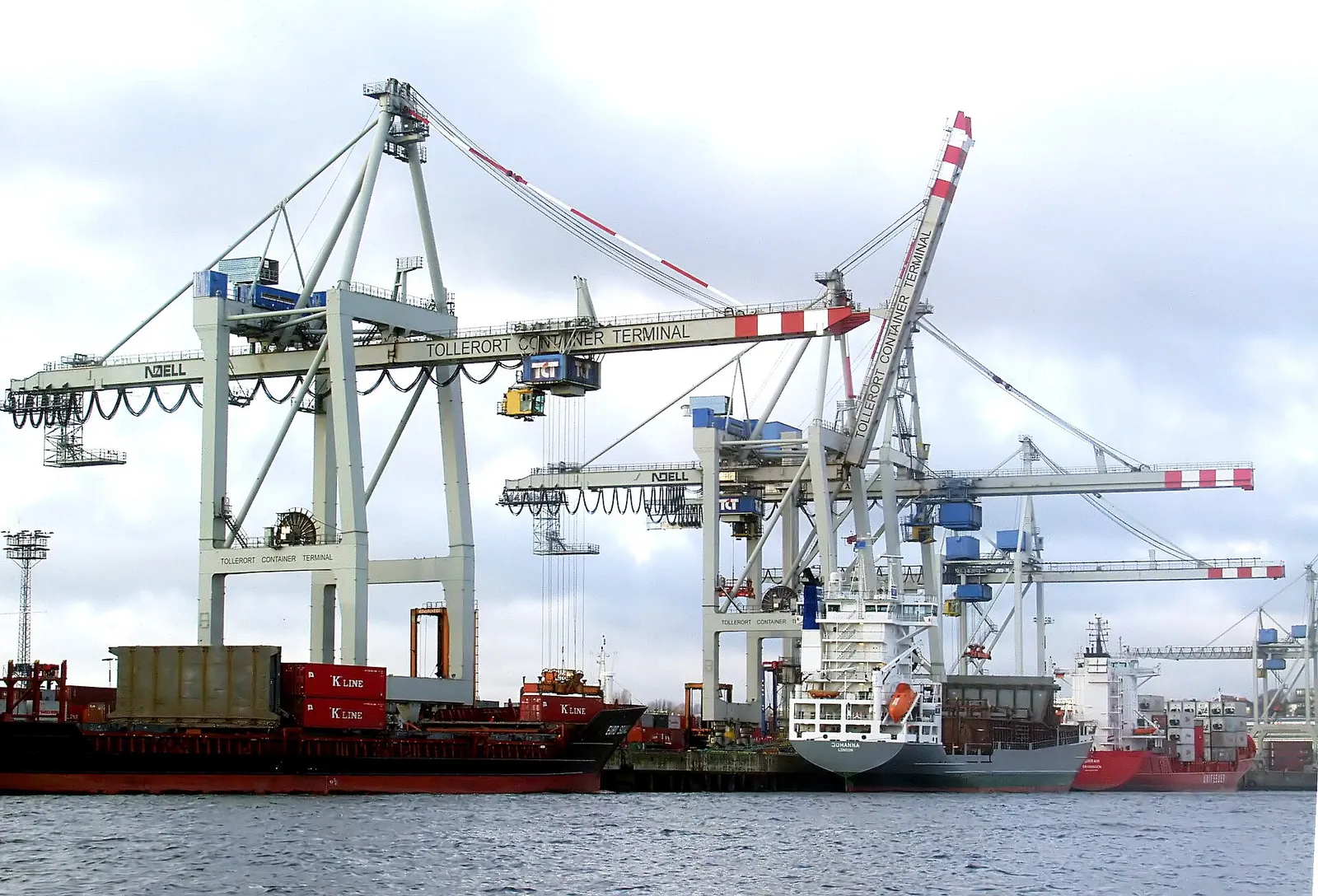
Germany runs an export-led economy: it sells far more abroad than it imports, and that surplus has been its growth engine. So when a huge market like China starts buying less and competing more, it strikes at the core of the model. Manufacturing employment has fallen to its lowest level in a decade, and business investment has declined every year since 2020, per the WSJ.
The headline trade numbers show the turn. China was again Germany's top trading partner in 2025, with bilateral goods turnover of €251.8 billion, according to the German statistics office Destatis. But the balance has flipped against Germany: its exports to China fell sharply while imports from China rose, and Germany's overall trade surplus narrowed to €200.5 billion, down more than €42 billion from 2024 — a big move for an economy built on selling more than it buys.
The auto sector is ground zero
Cars and parts make up roughly a fifth of German industrial output, and that is where the pressure is most visible. Volkswagen's share of the Chinese market has slid from about 24% to under 15% over four years, overtaken by domestic champions like BYD and Geely, industry data show; BMW's and Mercedes-Benz's China sales have fallen too. And Chinese brands are no longer staying home: they took 3.1% of new-car registrations in Germany in early 2026, up from 1.7% in 2024, per market trackers, undercutting German models on price.
The structural trap
Germany's troubles run deeper than any one rival. Its model leaned on two pillars that have both crumbled: cheap Russian pipeline gas to power its factories, and booming Chinese demand for its goods. Since Russia's invasion of Ukraine, Germany has scrambled to replace that gas with costlier imported LNG, leaving industrial energy prices well above pre-2022 levels — and a fresh spike in oil tied to Gulf tensions has added to the squeeze. Beijing's 2025 curbs on rare-earth exports, materials German carmakers and machinery firms depend on, added a supply-chain threat on top of the competitive one.
The policy response
Both Brussels and Berlin are pushing back, with trade-offs. The EU imposed extra duties of roughly 17% to 35% on Chinese-made EVs, on top of the standard 10% tariff, to blunt the price advantage. And in a historic break from its strict "debt brake," Germany's government approved a massive fiscal package — including a €500 billion infrastructure fund and a sharp rise in defense spending, as Charles Schwab summarized — to try to jolt the economy back to life.
Whether stimulus can offset competitive, energy and demographic headwinds all at once is the open question — and not just for Germany. As the eurozone's industrial engine, a weaker Germany weighs on the whole bloc. Forecasters at the ifo Institute see growth of well under 1% in 2026, with the risk skewed lower. The country that built modern Europe's prosperity on exports is discovering how exposed that strength has become.