The price of moving the world's goods by sea is spiking again — and this time the reason has nothing to do with war in the Middle East.
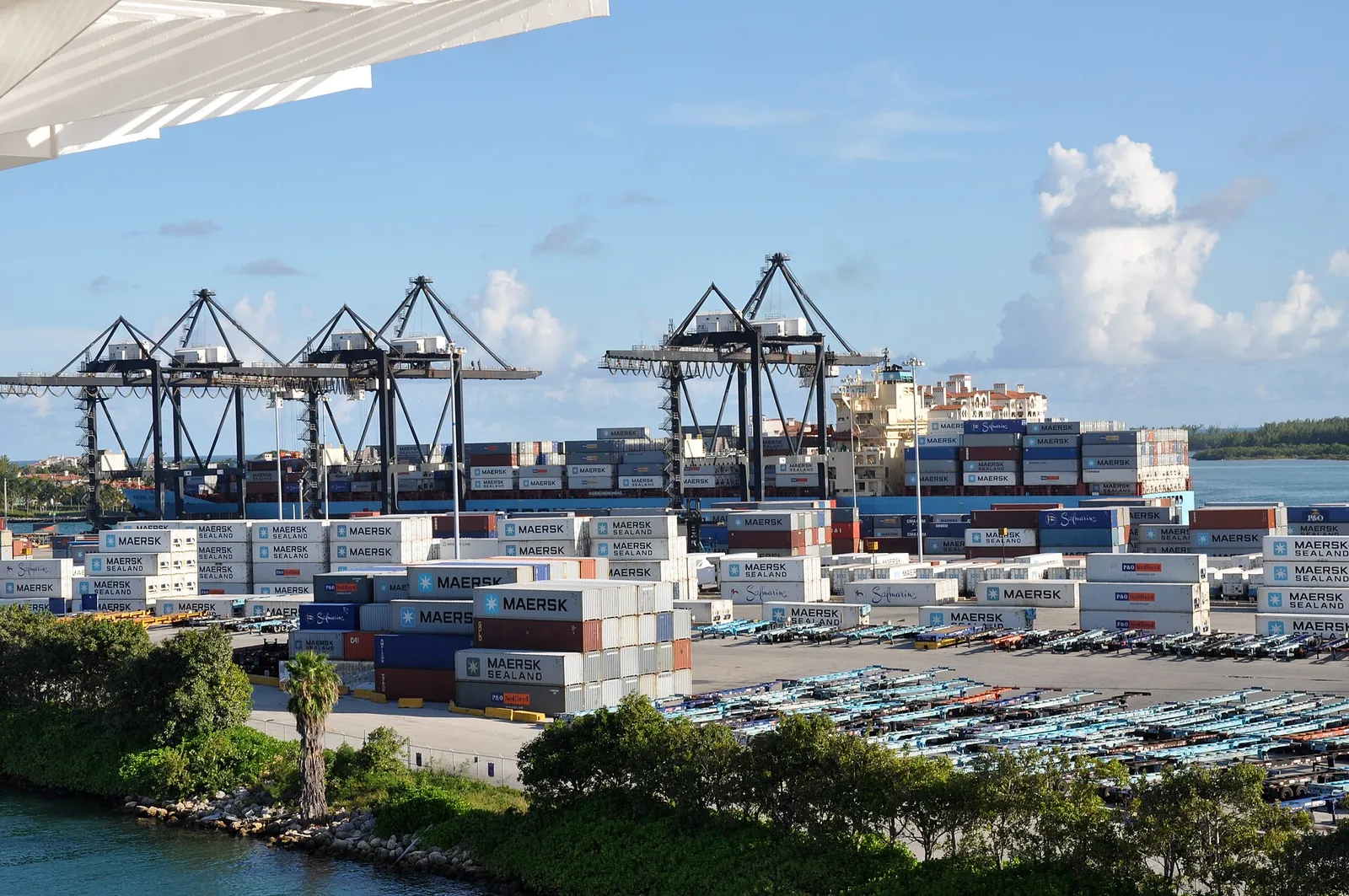
The cost to ship a standard container from Asia to the U.S. East Coast has reached $7,998 per forty-foot container (FEU), while the West Coast rate stands at $6,175, according to freight-market data reported by Yahoo Finance. Both routes rose about 8% in a single week, but the longer trend is sharper: East Coast rates are up roughly 85% since mid-May and West Coast rates about 120%. The East Coast figure now sits about $1,000 higher than last summer's peak. (An FEU — forty-foot equivalent unit — is the standard big shipping container; the quoted rate is the "spot" price to book one now, which swings far more than long-term contracts.)
Why rates are climbing
Earlier this year, traders worried that conflict near the Strait of Hormuz would snarl shipping. That fear has faded — and yet rates are surging anyway, for a different reason: a rush to import.
Two forces are colliding. First, the industry's annual peak season — the summer build-up before back-to-school and holiday selling — began unusually early this year. Second, and more important, U.S. importers are front-loading shipments to get goods into the country ahead of looming tariff deadlines and threatened fee and surcharge increases, per the report. When everyone tries to ship at once, the fixed supply of vessels and port slots can't keep up, and prices jump. Port congestion across Asia and Europe has tightened capacity further. (Front-loading means pulling purchases forward — importing now to avoid a cost, like a tariff, expected later.)
The tariff connection
This is a textbook example of how trade policy ripples into logistics. The threat of higher tariffs doesn't just change what goods cost once they arrive; it changes when companies bring them in. Faced with a deadline, retailers would rather pay a steep freight premium today than risk paying a tariff later — so they book space aggressively, bidding rates up. The irony is that the rush to dodge one cost (tariffs) creates another (freight), and both ultimately weigh on the landed price of goods.
Who feels it
Importers and retailers bear the first hit: freight is a direct cost, and a $1,000-plus jump per container squeezes margins that are already thin. Big retailers with negotiating power and long-term contracts can absorb or defer some of it; smaller importers buying at spot rates are the most exposed. Carriers — the shipping lines that control vessels and scheduling — capture the upside, enjoying fatter margins while the crunch lasts. And consumers may eventually see it: when it costs meaningfully more to ship apparel, electronics or furniture, some of that filters into shelf prices, a modest additional nudge to inflation.
Why it matters
For the economy, freight rates are an early-warning gauge of supply-chain stress and a live readout on how tariff policy is reshaping trade flows — companies voting with their shipping bookings. For markets, the spike is a reminder that costs can surge even when the obvious risk (a geopolitical shock) recedes, because the real driver is demand crammed into a narrow window. Rates typically ease once peak season passes in the autumn, but analysts caution that persistent tariff uncertainty could keep them elevated. Boursel makes no forecast; the takeaway is that the price of global shipping has jumped again — and the culprit this time is a stampede to beat the tariff clock, not a crisis at sea.