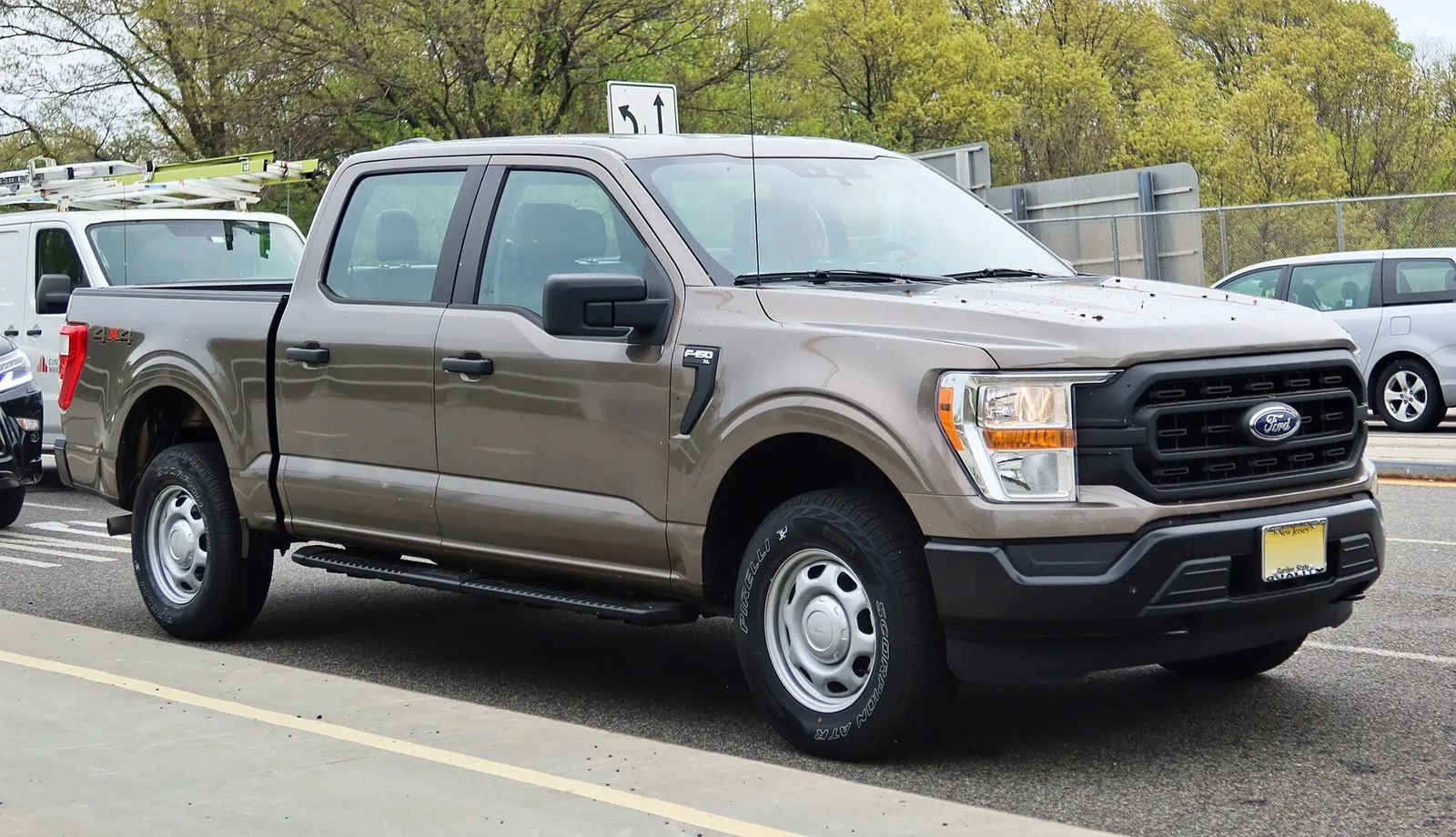
The two faces of the U.S. auto market showed up on the same morning: a soft quarter for Ford, and a strong one for Tesla.
Ford said its U.S. sales fell 10.3% in the second quarter to 549,200 vehicles, down from 612,095 a year earlier, as reported by Seeking Alpha and CNBC. The decline was one of the steeper ones expected in the industry for the quarter, though it slightly beat forecaster Cox Automotive's projection for an 11.5% drop.
What dragged the quarter down
The headline fall had several moving parts, and not all of them signal weak consumer demand. Ford attributed much of the drop to discontinued models working their way out of its lineup and to a 69% plunge in daily-rental sales — a deliberate pullback from low-margin fleet business rather than lost showroom customers. On top of that came a genuine supply problem: sales of Ford's F-Series pickups were held back by a retiming of production after fires at an aluminum supplier, Novelis, disrupted output late last year. The F-Series is America's best-selling truck line and one of Ford's biggest profit sources, so even a temporary build shortfall shows up clearly in the totals. Ford said it expects supply "to recover more fully in the second half of the year."
The EV pullback
The other soft spot was electric vehicles. Ford's battery-electric sales — the Mustang Mach-E, F-150 Lightning and E-Transit van — fell about 41% from a year earlier, per CNBC, extending a slump that has run all year as U.S. demand for pure EVs cools and federal tax incentives for buyers are set to wind down. Ford is not alone: rival General Motors reported a 4.2% decline in second-quarter U.S. sales, also citing weaker EV demand, CNBC reported.
A bright spot in hybrids
The quarter was not all red. Ford's Maverick, a small pickup and America's best-selling hybrid truck, set a quarterly record with 29,457 sold, up about 19% — a sign that buyers cooling on all-electric models are shifting toward gas-electric hybrids instead. That pattern, EVs down and hybrids up, has been one of the defining consumer trends of the U.S. car market this year. (A hybrid pairs a gasoline engine with an electric motor and battery, so it needs no plug or charging network — a middle step many buyers prefer to a full EV.)
The split screen with Tesla
The timing sharpened the contrast. The same day, Tesla reported delivering 480,126 vehicles globally in the quarter, up roughly 25% and ahead of expectations. The divergence captures how unevenly the electric transition is playing out: demand is holding up for a narrow set of popular EVs while broader, legacy EV lineups struggle. On overall volume Ford remains far bigger in the U.S. — it sold more than a million vehicles in the first half — but its growth has stalled where Tesla's has, for now, reaccelerated.
Why it matters
For Ford, the quarter is a reminder of how exposed its results are to a single product line: when F-Series output stumbles, the whole company feels it. For investors and the industry, the split with Tesla and the 41% EV drop underscore that the U.S. market is rewarding trucks, SUVs and hybrids while punishing pure-electric bets that depend on incentives. And for buyers, the shift toward hybrids like the Maverick shows where mainstream demand is actually heading. Boursel gives no investment advice; the takeaway is that Ford's decline was driven as much by fleet cuts, phased-out models and a truck-supply snag as by any collapse in underlying demand — but the sharp EV retreat is a real and continuing headwind.