
An international body accused football's governing body of opening a door to fraud on the morning of the World Cup final, which is not a routine event in sports governance.
Alain Berset, secretary general of the Council of Europe, published an open letter timed to coincide with Sunday's final, reported by the Guardian. He called for a new integrity framework to be built before the 2030 tournament, which is mainly staged in Europe, and said FIFA was caught up in a crisis of money and power.
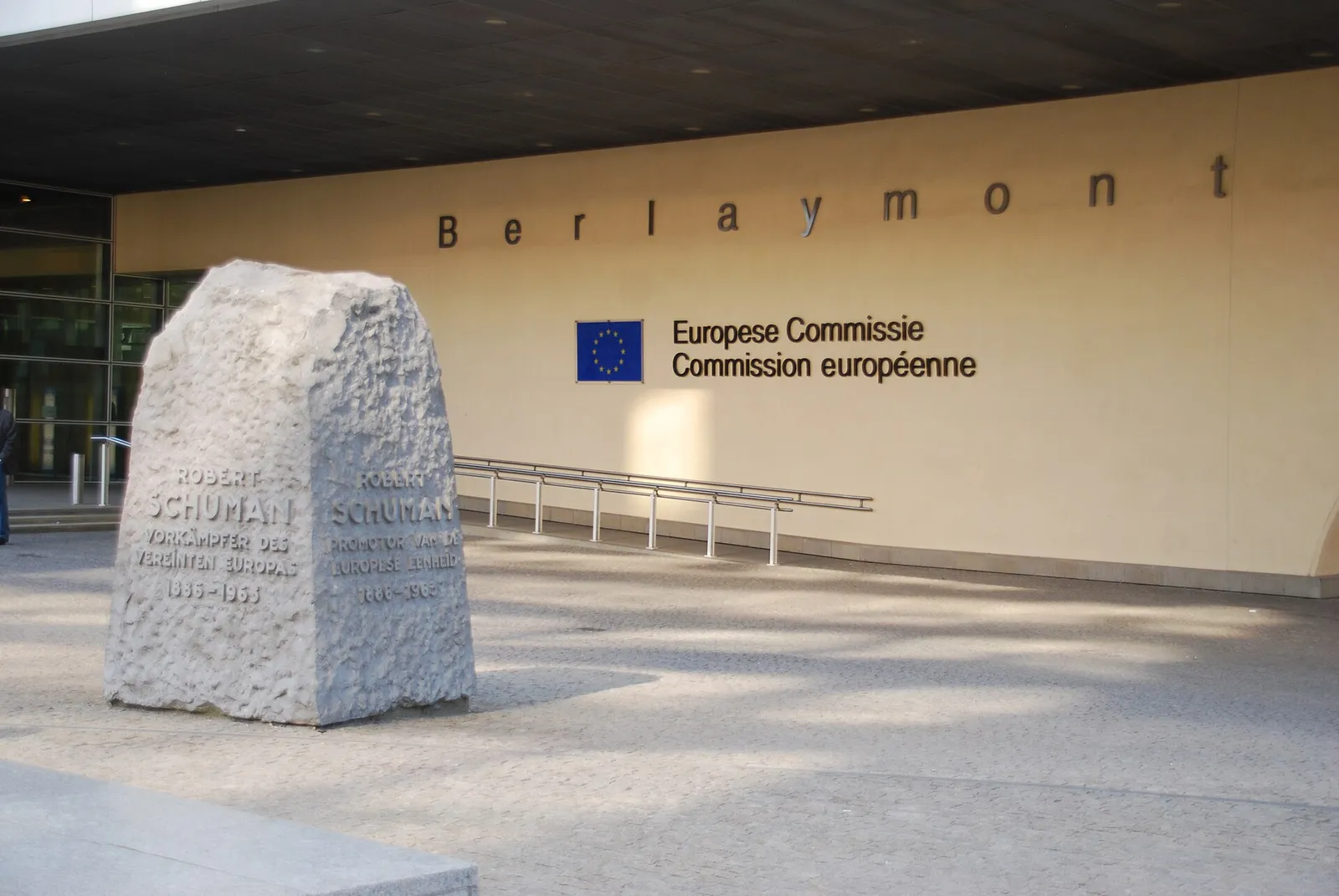
Two clarifications for readers outside Europe. The Council of Europe is a human-rights and rule-of-law body of 46 member states, entirely separate from the European Union. And it is not an adversary of FIFA: the two signed a memorandum of understanding in 2018, still in force, covering human rights, integrity and good governance in sport. Open criticism of one partner by another is rare, which is what gives the letter its weight.
The specific objection is about market structure
Berset's central criticism is not about betting existing. It is about what is now bettable.
"Betting has moved from the result of a match to moments a single player can produce without changing the score," he wrote. "A bet is won by making others lose. It is an open door to fraud. And this World Cup has opened the door wider."
That distinction is the whole argument, and it is a market-integrity argument rather than a moral one. A bet on the final score requires influencing the outcome of a match, which needs several participants and is conspicuous. A bet on whether a particular player concedes a corner, or receives a card, requires one person to do something that changes nothing about who wins. It is cheap to arrange, nearly impossible to distinguish from ordinary play, and the person doing it may reasonably feel they have not affected the result at all.
Financial markets have a well-developed vocabulary for this. The more granular and numerous the instruments written on an underlying, the more places there are to take a position that is profitable to manipulate and hard to detect. Football has spent a decade multiplying those instruments.
Berset took specific aim at FIFA's deal with ADI Predictstreet, which became the World Cup's official prediction market partner in April.
Why a prediction-market partnership is different
The commercial logic of such a partnership is obvious. Prediction markets and in-play betting generate data rights and sponsorship income, and FIFA is reportedly set to announce record World Cup revenue of around $15bn.
The governance problem is that it changes the governing body's relationship to the betting market. A regulator of integrity that also earns revenue from the volume of wagering has an interest on both sides of the question. That is the structural conflict, and it exists regardless of anyone's intentions.
It is worth noting what betting markets also do for integrity. Unusual odds movements are the primary detection mechanism for match manipulation, so a liquid, monitored market is genuinely useful to investigators. The concern is not that betting exists but that the proliferation of micro-markets outpaces the monitoring built for match-level outcomes.
The second criticism is about process
Berset also referenced the decision to shelve the suspension of the United States striker Folarin Balogun, which followed a phone call to FIFA president Gianni Infantino by Donald Trump.
"When the rules bend under pressure, every result is open to doubt," Berset wrote.
His broader list was blunt. "The Fifa World Cup 2026 has raised question after question," he wrote. "A sanction suspended under pressure, within days, with no reasons given. The authority of referees called into question. Racist abuse of players, some of it from elected officials. Betting on every pass, every card, every corner. The celebration will end tonight. The questions will not."
He made apparent allusions to comments about Kylian Mbappé by the Paraguayan senator Celeste Amarilla, and about the France team by the former Spanish prime minister Mariano Rajoy.
Why this is a business story
Sponsorship is priced on trust. Brands pay for association with an event on the assumption that the contest is real, and integrity doubts are the one risk that threatens the entire proposition rather than any individual deal.
For licensed betting operators, the exposure runs the other way. Their business depends on customers believing the markets are honest and on regulators leaving them alone, and manipulation scandals threaten both. The industry's commercial interest is broadly aligned with Berset's argument, even if it would prefer the criticism to be framed differently.
The concrete ask is a new integrity framework before 2030. Whether that means restrictions on which micro-markets may be offered, or independent oversight separated from FIFA's commercial arm, is the question the next four years will answer.