Shares of Eos Energy Enterprises (Nasdaq: EOSE) climbed about 9% on July 15 after the company said it had won a US government contract tied to missile defense, a rare piece of good news for a small, loss-making battery maker. The stock rose on the announcement, which was reported as a surge on the day, according to Seeking Alpha, though it remains far below where it traded a year ago.
The contract
Eos said it had been selected to supply long-duration energy storage for "Golden Dome for America," the administration's missile-defense initiative, according to its announcement distributed on GlobeNewswire. The work is set to begin with an initial prototype at a critical defense installation before any wider rollout.
The deal was publicized by President Trump at a defense summit in Pennsylvania. "Eos in Pittsburgh just agreed to a multi-million-dollar partnership with the Department of War to build energy storage technology in support of our Golden Dome missile defense," he said, per WITF's coverage of the event. The exact value of the contract was not disclosed; the description was simply "multi-million-dollar," and it was one piece of what the summit billed as roughly $10 billion in defense-related investment for the state.
What Eos makes
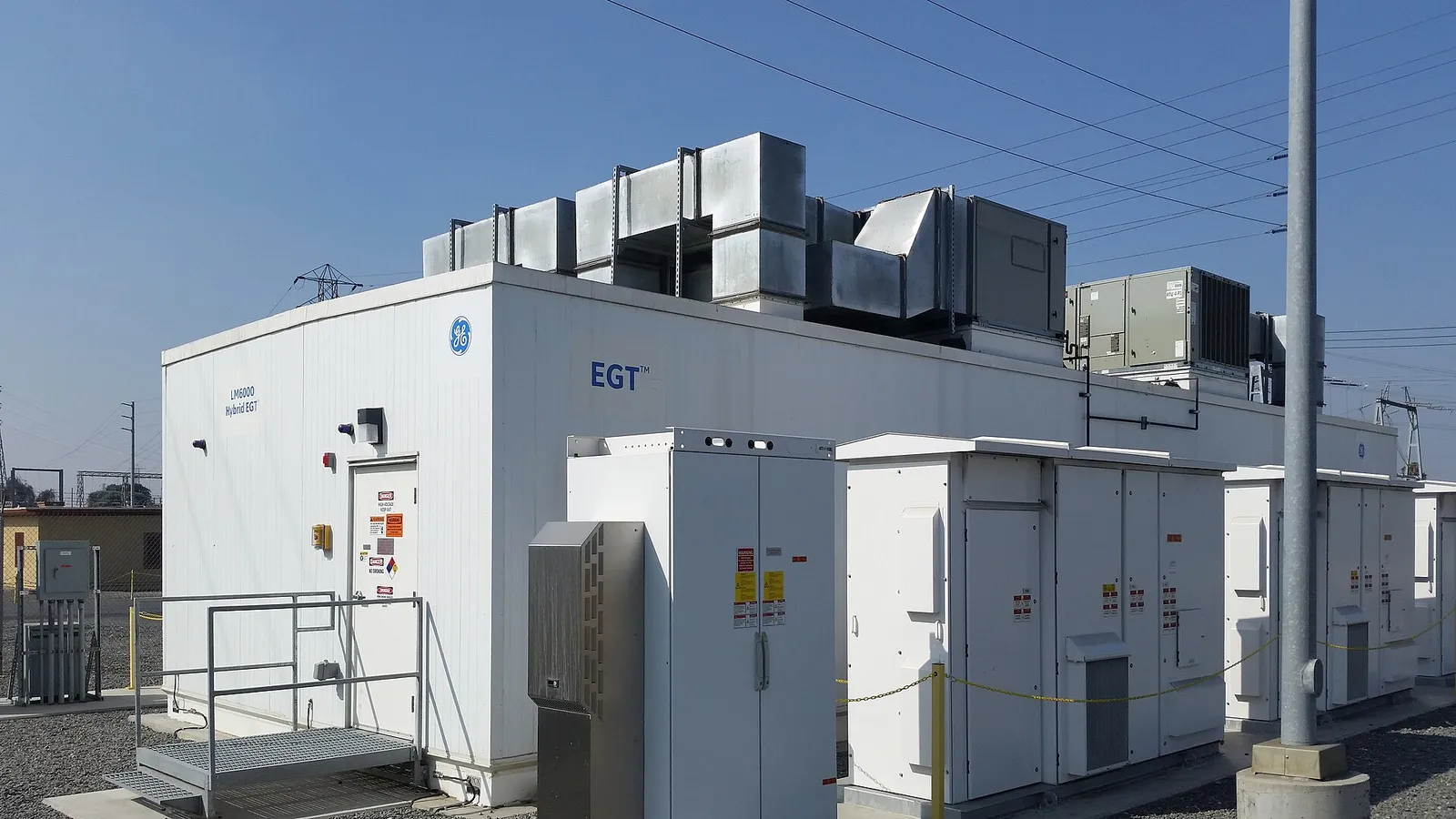
Eos is a US manufacturer of long-duration energy storage, batteries designed to deliver power steadily over many hours, using zinc-based chemistry rather than the lithium-ion cells that dominate the market. The company pitches that chemistry as safer, because it is water-based and non-flammable, and as more "American," with a largely domestic supply chain and manufacturing in Pittsburgh. Those attributes are exactly what a defense buyer, wary of fire risk and of reliance on foreign supply, tends to value.
"Long-duration" is the key phrase. Most grid batteries discharge over a few hours; systems like Eos's are meant to keep critical sites powered for longer stretches, which matters for infrastructure that cannot be allowed to go dark.
Why a small contract moved the stock
A multi-million-dollar order is modest in dollar terms, so why the jump? For a small, unprofitable company, a government contract does more than add revenue. It is a validation: the US military testing your technology at a "critical installation" is a signal to other potential customers, and it can de-risk a business that investors have treated warily. That is why defense and government awards often move small-cap stocks by more than the contract size alone would justify.
The caveat is just as important. Eos shares are still down heavily this year and trade well below their highs, and the company continues to lose money as it scales up production. A single prototype contract, however symbolically valuable, does not by itself make a business profitable. It validates the technology and shows there is government demand for domestic, long-duration storage; whether that translates into sustained orders and, eventually, profit is the open question. Boursel does not forecast the share price, and notes only that a genuine milestone and a still-fragile balance sheet can be true at the same time.