Shares of SpaceX, which began trading only a month ago in one of the largest stock-market debuts on record, have slid back toward the price at which they were sold. The stock fell for a second straight session and traded around $137 on July 13, barely above its $135 initial-offering price and down sharply from a June high, according to market data on Yahoo Finance. For investors who bought the first-day enthusiasm, it has been a quick round trip.
From pop to give-back
SpaceX priced its initial public offering at $135 a share and started trading on June 12, closing its first day near $161, a gain of about 19%. The stock kept climbing to an intraday peak of $225.64 on June 16, Yahoo Finance data show, before rolling over through late June and into July. By this week it had round-tripped almost all of that advance, leaving it a whisker above the IPO level.
The reversal has not shaken every analyst. Bank of America's Ron Epstein began coverage with a buy rating and a $235 price target, arguing SpaceX's dominance in launch will eventually support a higher valuation. That is one view, not a forecast; a newly public, richly valued stock can stay volatile as the market settles on a price.
A Starship setback, then a green light
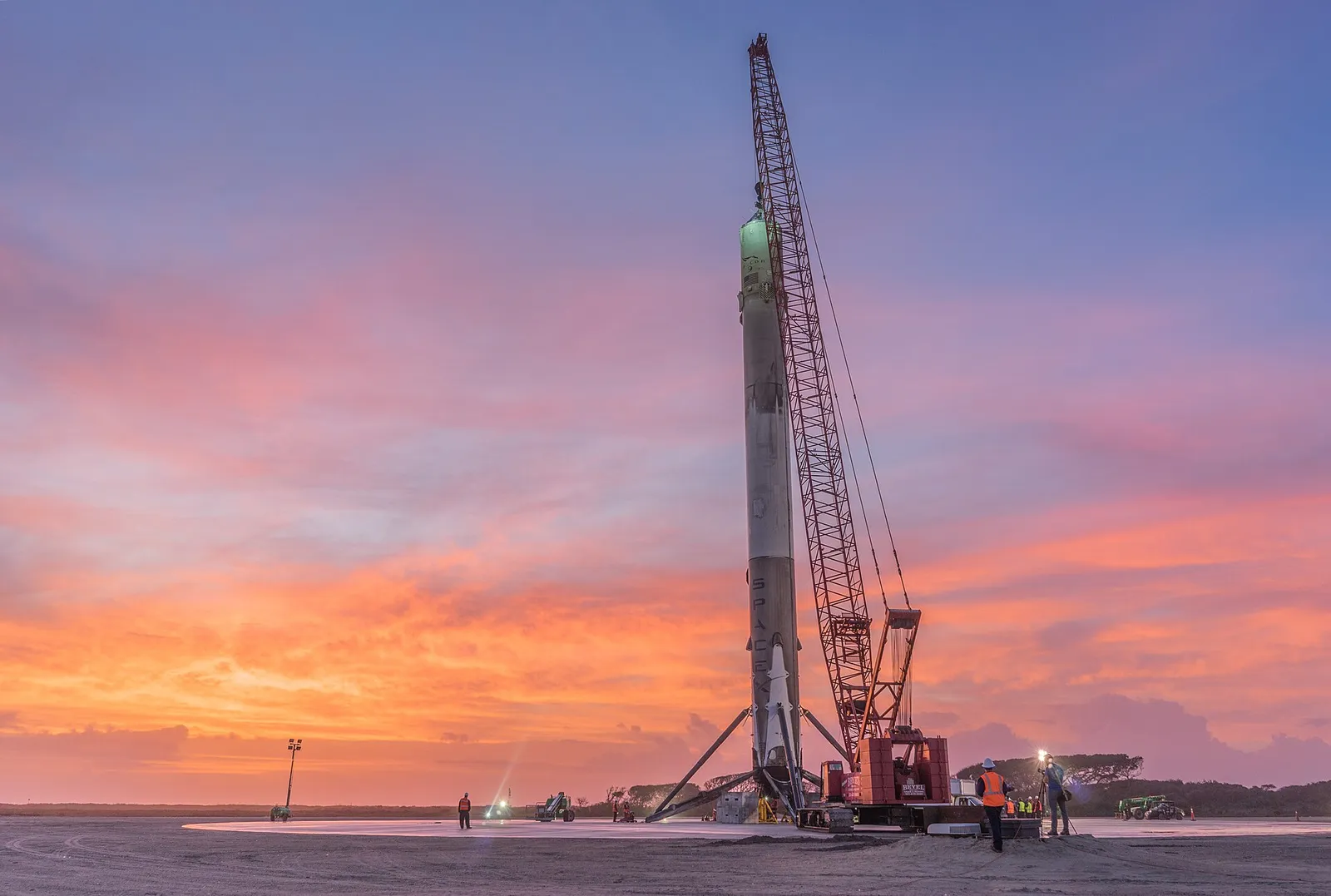
Part of the recent unease traces to SpaceX's Starship program, its next-generation rocket. On May 22 the first test flight of the third-generation vehicle, Starship V3, ran into trouble when the Super Heavy booster failed to reignite its engines properly for a controlled splashdown in the Gulf of Mexico and instead hit the water hard, TechCrunch reported. The Federal Aviation Administration opened a review and paused further flights while the cause was investigated.
That overhang has now lifted. The FAA closed its mishap investigation and cleared SpaceX to resume flights, with the company saying the next launch could come as soon as Thursday, July 16, carrying the first third-generation Starlink satellites. Notably, the clearance did not immediately arrest the stock's slide, which suggests broader market forces, not just company news, are at work.
What the round trip says
A stock returning to its offer price is not, by itself, a verdict on the business. It can equally mean the IPO was priced close to fair value and that the first-day surge ran ahead of it. SpaceX's revenue rests on commercial and government launches and its Starlink satellite-internet service, businesses that will not be re-rated by a few weeks of trading. For now, the market is simply doing what it often does with a hyped debut: testing where a fair price really sits.