Oil prices have climbed sharply this week as fighting between the United States and Iran reignited fears over the Strait of Hormuz, the narrow waterway through which a large share of the world's oil is shipped. The rally included one of crude's largest single-day gains in years, and prices held near multi-week highs even after coming off their peaks.
The move
Crude jumped roughly 9% in a single session, Brent's biggest daily gain since 2020, after President Trump said the US would reimpose a naval blockade on Iranian vessels using the Strait of Hormuz, according to CNBC. The surge carried Brent, the international benchmark, into the low-to-mid $80s and West Texas Intermediate, the US grade, into the high $70s.
By Tuesday, July 14, the market had steadied. WTI rose about 1.8% to roughly $79.56 a barrel and Brent about 2% to roughly $84.95, easing off the session's highs after Trump backed away from a demand that ships pay a 20% fee to pass through the strait, CNBC reported. That give-back is a useful reminder that much of the move is a risk premium: a price cushion traders add for the possibility of disruption, which deflates quickly when the threat eases.
What is driving it
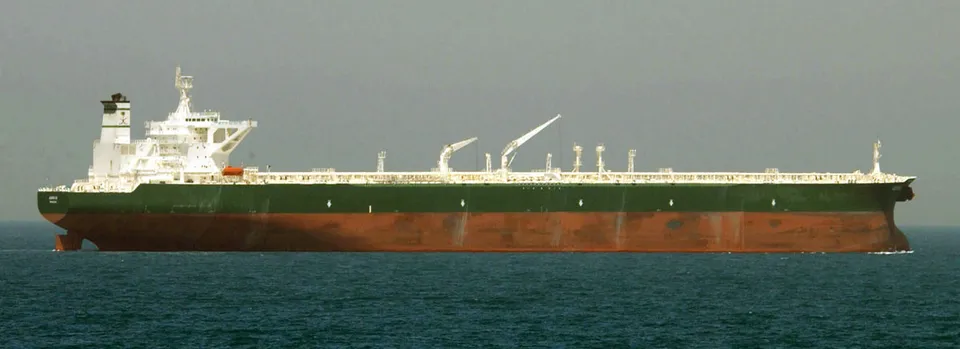
The immediate trigger is military. US forces and Iran have exchanged strikes, and Washington's threat to interdict shipping raised the prospect that oil leaving the Gulf could be blocked, delayed or rerouted at higher cost. Because so much of that oil moves by sea through a single channel, even the risk of interference is enough to move global prices.
Why the Strait of Hormuz matters so much
The Strait of Hormuz is the only sea route out of the Persian Gulf, the exit for crude from Saudi Arabia, Iraq, Kuwait, the United Arab Emirates and Iran itself. Roughly a fifth of the world's oil supply, along with a large share of its liquefied natural gas, passes through it, and unlike some other chokepoints there is no easy way to route around it, Britannica notes. That combination, enormous volume and no ready alternative, is why traders react so strongly to any threat to the strait.
What to watch
For now, the picture is a market pricing in risk rather than an actual, confirmed loss of barrels. If shipping keeps flowing and the fighting cools, history suggests the added premium can fade as fast as it appeared, as Tuesday's pullback hinted. If tankers are genuinely blocked or attacked, the effect would be larger and longer-lasting. Either way, the episode is a reminder that the price at the pump remains tethered to events in one stretch of Gulf water, and Boursel does not forecast where prices go from here.