Heat is no longer just a summer nuisance for Europe. It is becoming a line item in the growth outlook.
The mechanism
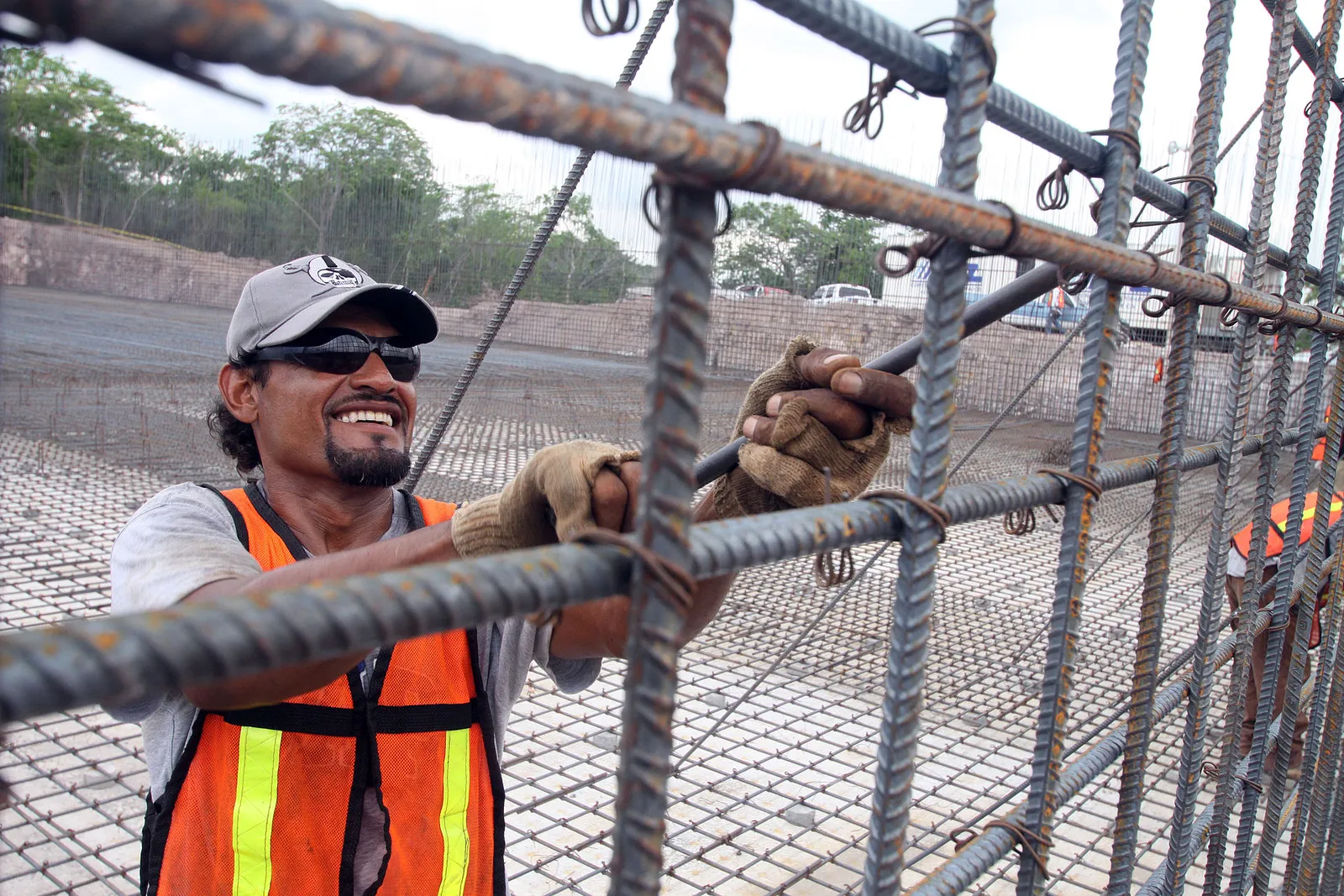
Above roughly 33–34°C, the body diverts effort to cooling itself, and physical output measurably falls. For heavy manual work — pouring concrete, harvesting crops, working a warehouse with no air conditioning — the penalty steepens with every extra degree. Workers slow down, take more breaks, and are increasingly entitled (or ordered) to stop altogether. The economic hit runs in several directions at once: lost hours cut output, heat-related illness raises sick-leave and health costs, and energy bills climb as cooling runs harder.
The numbers
The scale is large even if precise European figures are elusive. The International Labour Organization estimates that by 2030, heat stress could erase the equivalent of 80 million full-time jobs worldwide and about $2.4 trillion in output, with construction bearing roughly 19% of lost hours and agriculture about 60%. In Europe specifically, the European Environment Agency puts total climate-related economic losses across the EU at about €822 billion from 1980 to 2024, of which heat waves account for roughly 18% — on the order of €148 billion, and rising. The precise GDP cost per hot day is harder to pin down and varies widely by study and country; we flag it rather than cite a single figure as settled.
Who's most exposed
The burden is uneven. Southern Europe — Italy, Spain, Greece, Portugal — combines the highest temperatures with the largest shares of outdoor and manual work: Mediterranean farming, construction and tourism all depend on people being outside in summer, just as demand peaks. Northern and central Europe isn't spared — uncooled factories and warehouses and building sites across Germany, France and Poland lose output during the now-frequent spells above 35°C in cities like Paris and Berlin.
The response, and its own cost
Several countries have tightened heat-at-work rules: Spain suspends outdoor work under red alerts, France mandates water and rest and can halt work by order, Italy lets firms furlough workers at public expense during extreme weather. These protect health but don't restore lost output — they mostly decide who bears the cost: employers via higher labor costs, the state via social insurance, or the economy via output never produced. Air conditioning helps indoors, and the International Energy Agency expects global cooling demand to more than triple by 2050 — but more AC means more electricity demand and higher bills, and, on a dirty grid, more of the emissions that drive the warming in the first place.
Why it matters
For policymakers, the key feature is that this is recurring, not one-off. A flood is a shock the economy rebounds from; a structural rise in summer temperatures that saps working capacity every June, July and August is a persistent drag on potential output — the economy's speed limit. The European Central Bank has been folding climate-physical risk into its models, noting channels from food-price inflation to labor disruption. For heavily indebted southern governments, recurring summer losses compound fiscal strain: higher health spending, more furlough support, softer tax revenue from hit sectors. The economic case for adaptation — shade, cooled rest areas, heat-resilient scheduling — increasingly rests on avoiding those repeating costs, not just the headline damage of any single heat wave. This is analysis grounded in the data, not a forecast.