A Federal Reserve official has put a number on the central bank's discomfort. Speaking Sunday on the sidelines of the Aspen Ideas Festival, Tom Barkin, president of the Federal Reserve Bank of Richmond, said US inflation remains uncomfortably high — but pointed to early signs it may be cooling, Fortune reported.
The number that worries the Fed
Barkin cited the PCE price index — the Fed's preferred inflation gauge, which tracks what households actually spend — running at 4.1% over the year through May, its highest since April 2023 and roughly double the Fed's 2% target. "Those numbers are too high," he said. (The Federal Reserve aims to keep inflation near 2%; persistently above that, it tends to keep interest rates high to cool the economy.) The Fed left its benchmark rate unchanged at its June meeting, and a growing number of policymakers have warned it may even need to raise rates this year if prices don't relent.
Where he sees relief — and the catch
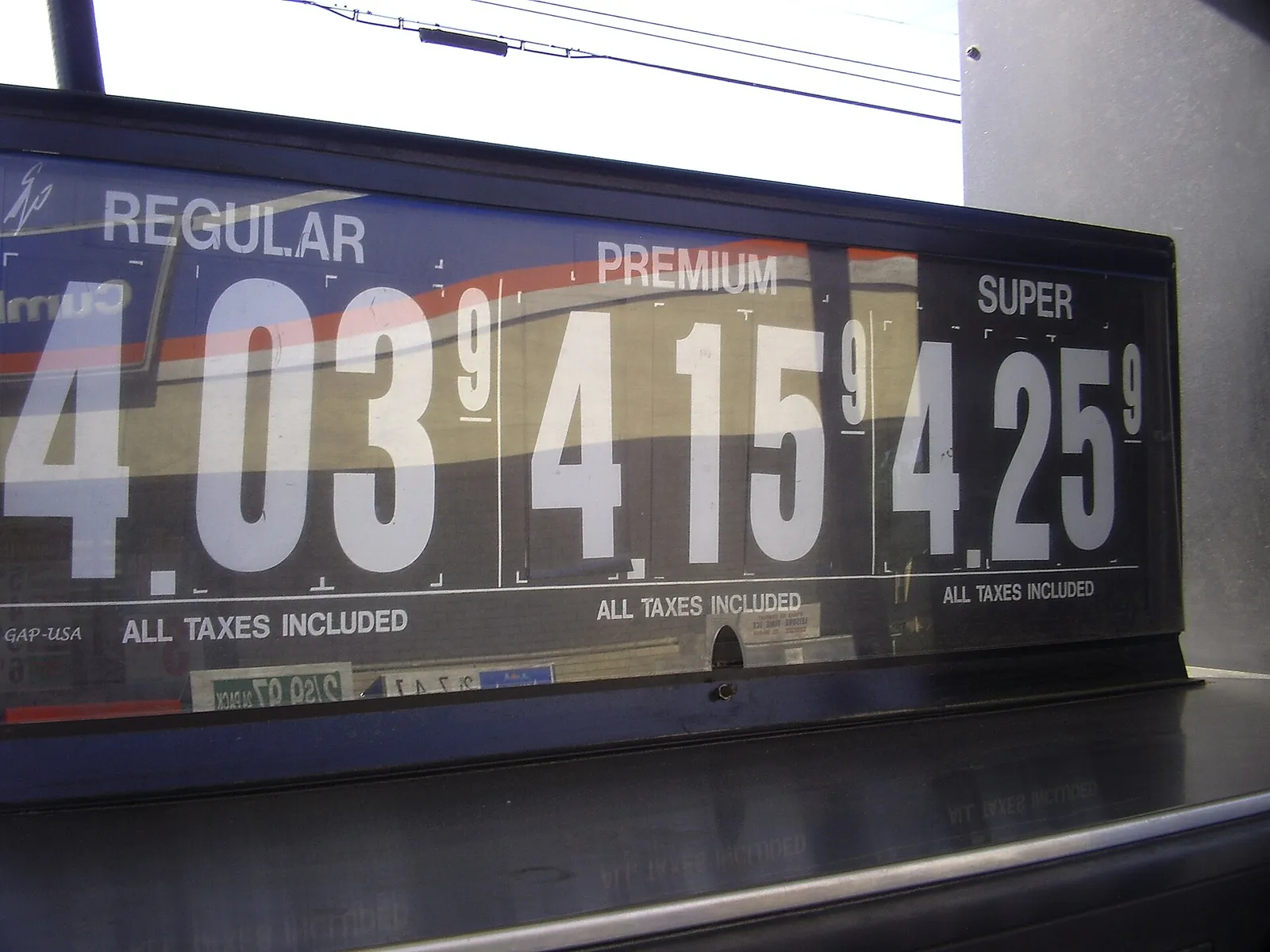
Barkin's optimism rested heavily on energy. He said he was "heartened by a rapid decline in gasoline prices" in his district as oil fell following the recent US-Iran ceasefire, and argued that "price pressure from tariffs and the oil shock should now be waning, helping inflation cool."
Here is the problem, and it is a live one. Barkin spoke just as that ceasefire was coming apart. Over the same weekend, the US and Iran resumed trading airstrikes, and oil prices turned back up as the war-risk premium returned — the very development Boursel leads with tonight. In other words, the oil relief Barkin was counting on to bring inflation down is precisely what the renewed Middle East flare-up now puts in doubt. Energy is the swing factor in his case for cooling, and it has started swinging the wrong way again.
The second source of relief
Barkin's other encouraging sign was sturdier: consumers are resisting. Companies that pushed prices up aggressively, he said, are running into stiff customer pushback, which limits how much further they can raise prices — and he noted businesses turning cautious on wage increases, easing the risk of a wage-price spiral (the loop in which rising wages and prices chase each other). That kind of demand-side discipline doesn't depend on the Strait of Hormuz.
Why it matters for you
Barkin is one voice on the Fed, not its chair, so this is a read on the debate rather than a policy decision. But the debate has real stakes for households: as long as inflation sits near 4% and officials worry about an energy-driven rebound, the Fed is unlikely to cut interest rates soon — keeping mortgage rates, credit-card costs and business borrowing elevated. The takeaway from Barkin's remarks is a careful one: inflation may be easing at the edges, helped by cooler oil and pickier shoppers, but the path back to 2% is neither quick nor assured — and this weekend's events are a reminder of how fast one of his key reasons for hope can evaporate.