The Middle East risk premium is back in the oil price. As Sunday-evening trading opened, crude oil rose and US stock-index futures ticked higher after a weekend of renewed fighting between the United States and Iran reignited fears for global energy supply — reversing, in a matter of days, the calm that had sent oil to its lowest level since the conflict began.
What happened over the weekend
The fragile ceasefire struck earlier in June has fractured. The US carried out fresh strikes on Iran on June 26 and 27: US Central Command said its aircraft hit Iranian "military surveillance infrastructure, communication systems, air-defense sites, drone-storage facilities and minelayer capabilities," in response to earlier Iranian attacks on commercial shipping, CNN reported. Iran's Islamic Revolutionary Guard Corps retaliated by targeting US military facilities in Kuwait and Bahrain with missiles and drones, per Al Jazeera and Reuters. Tehran called the US strikes a "clear violation" of the truce and warned the diplomatic track would halt; President Trump warned of far heavier action.
Why oil moves on this
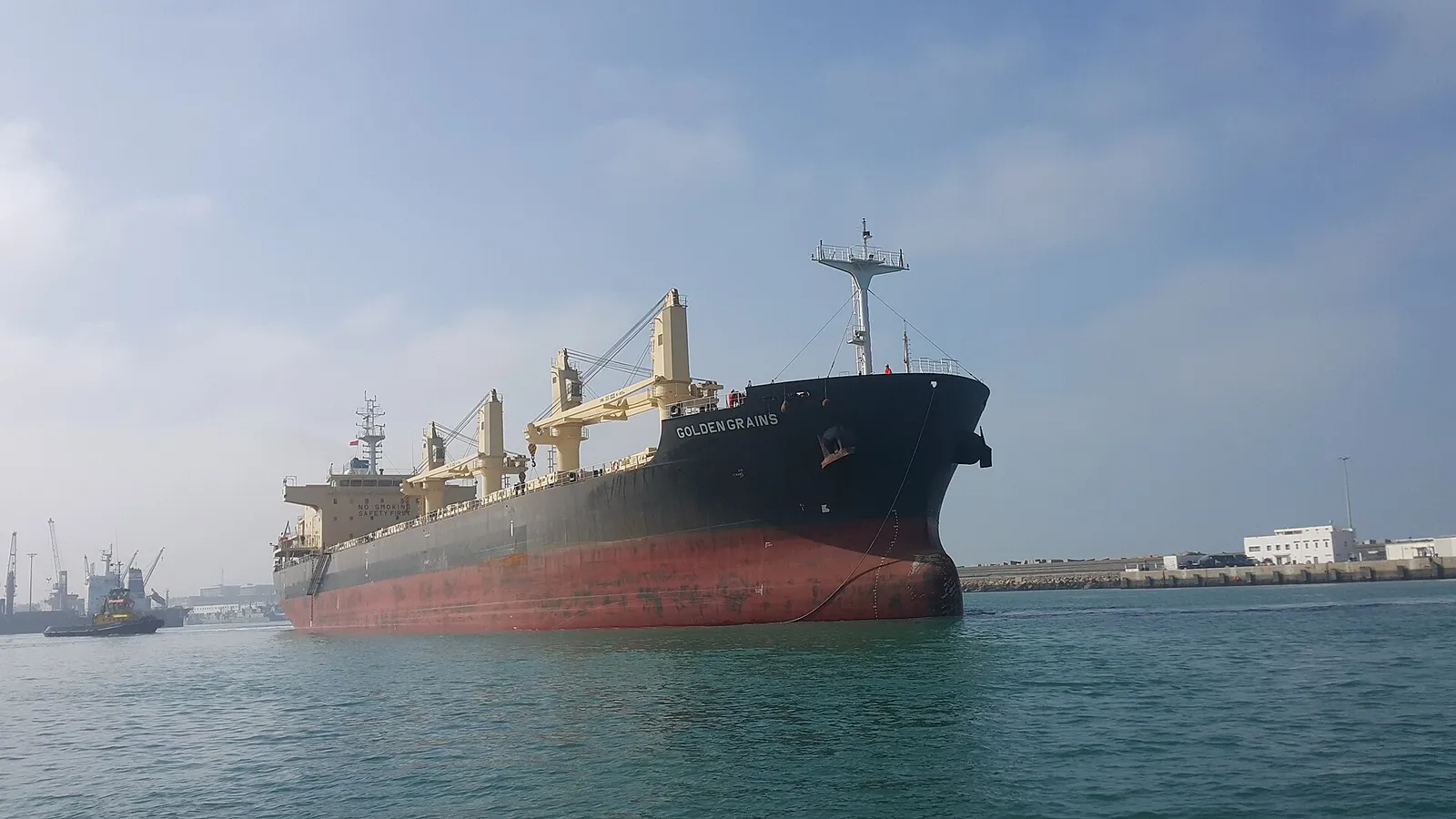
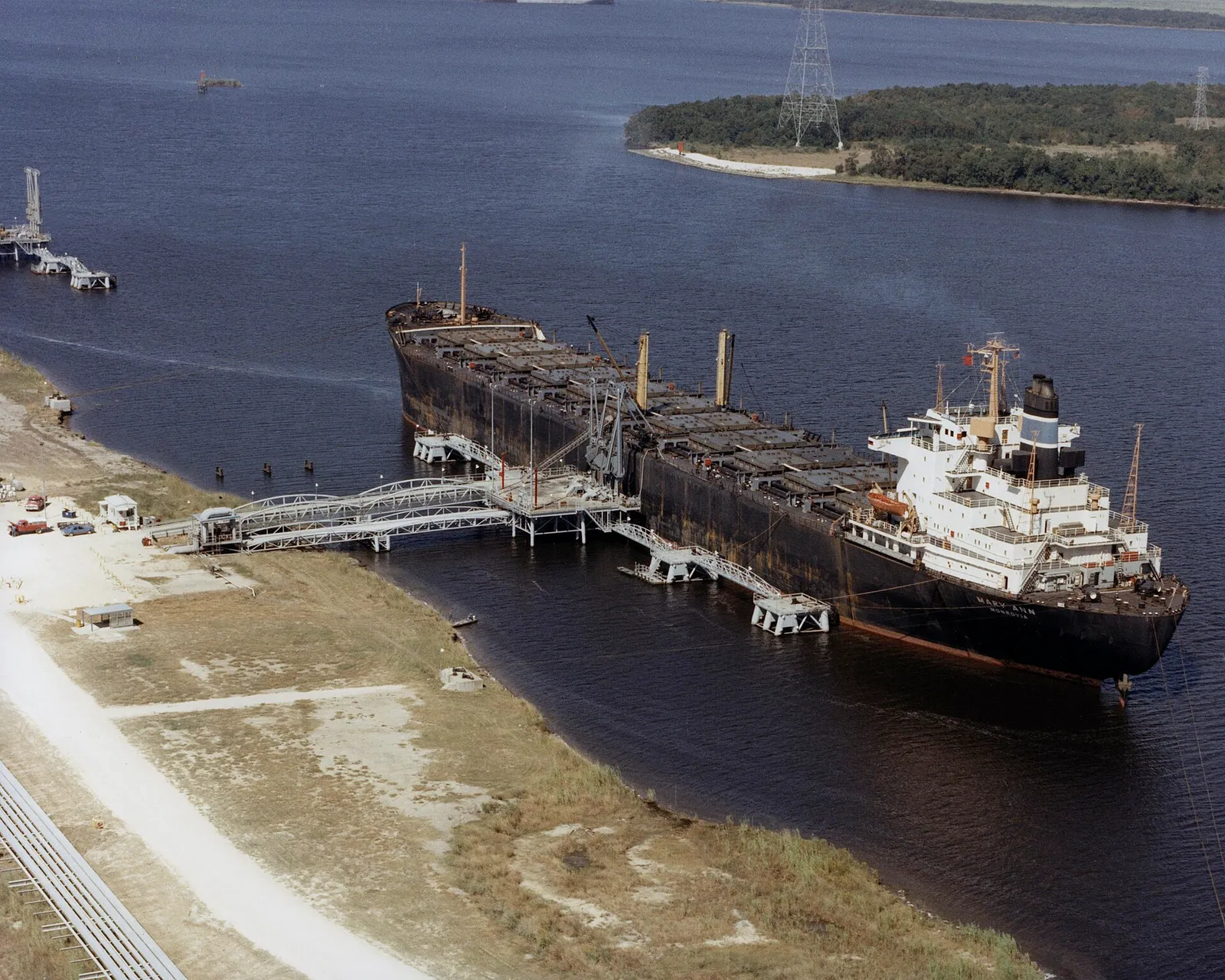
Oil prices carry a risk premium — an extra margin markets add when supply looks threatened. The threat here has a single address: the Strait of Hormuz, the narrow waterway off Iran through which roughly a fifth of the world's oil passes by sea. Any prospect that the fighting could choke that chokepoint sends crude higher.
The whiplash is the story. Only last week, as a US-Iran framework to end the war took hold and tankers returned to the strait, oil fell to its lowest since the conflict started — WTI dipping toward $70 and Brent near $73.50, by CNN's account. The weekend's strikes have reversed that relief, pulling the premium back in. (Exact overnight prices are fast-moving; the clear direction, per markets reporting, is up.)
Stocks: up tonight, but watch the catch
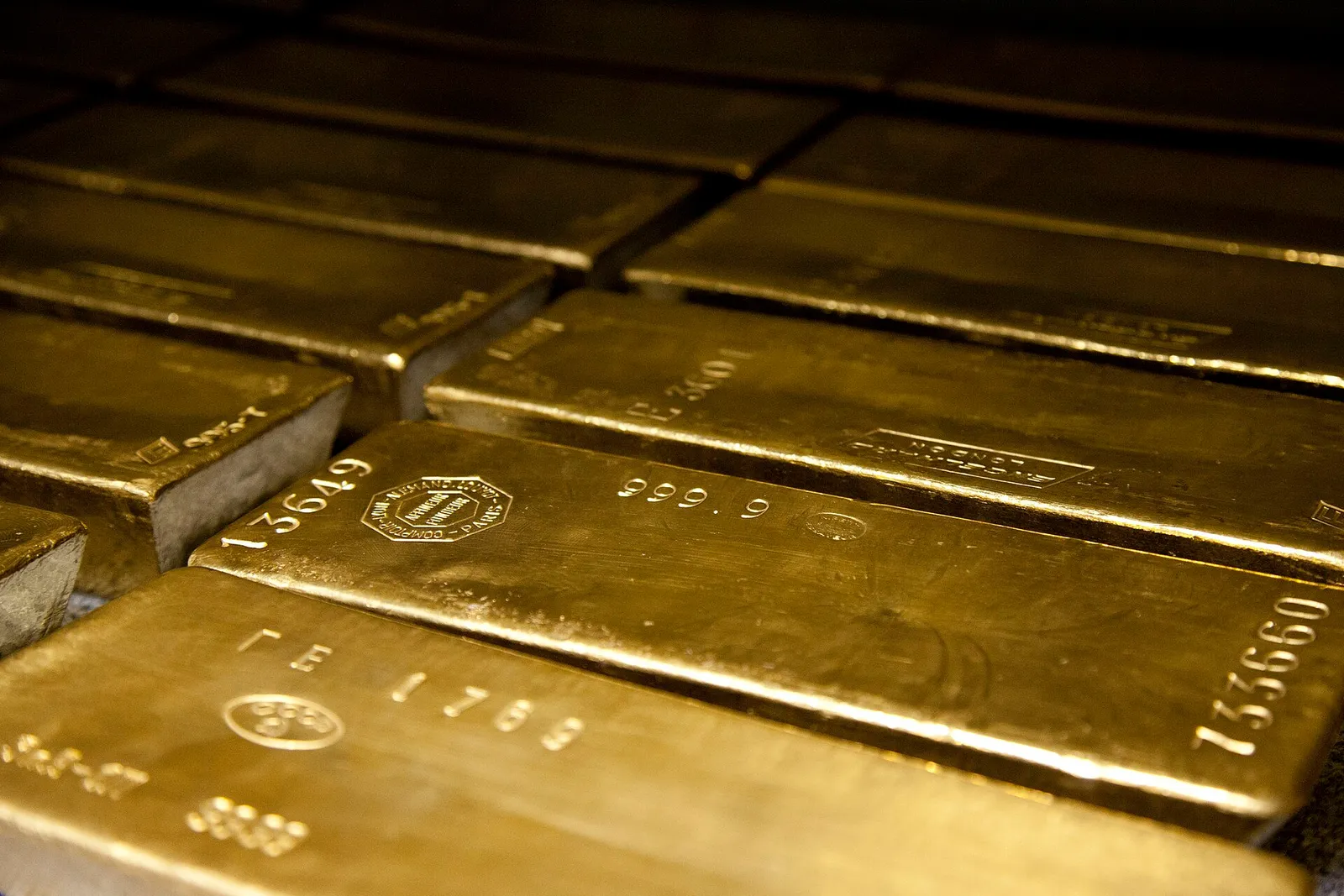
US equity futures nudged higher as Sunday trading began, but that small bid sits on top of a less comforting calculation. Higher oil is a tax on the economy: it feeds through to gasoline, shipping and manufacturing costs, and it lifts inflation — the opposite of what the Federal Reserve wants as it weighs how long to keep interest rates high. So a market that rises tonight on relief-of-the-moment could still face pressure if crude keeps climbing and the inflation worry grows. Safe havens like gold tend to firm in this kind of environment.
The bigger picture
This episode is a sharp reminder that the Iran risk hasn't gone away — it has merely been oscillating. In barely two weeks, oil has run from a war-driven spike, to a ceasefire-driven collapse, and now back toward a renewed premium. For investors, the practical takeaway isn't a prediction — the situation is fluid and headlines can swing prices several dollars a barrel in either direction. It's that the single biggest swing factor for markets right now sits outside any earnings report or central-bank meeting: it's whether the Strait of Hormuz stays open. As long as the US and Iran keep trading blows, oil — and the inflation math that follows it — will keep markets on edge into the new week.