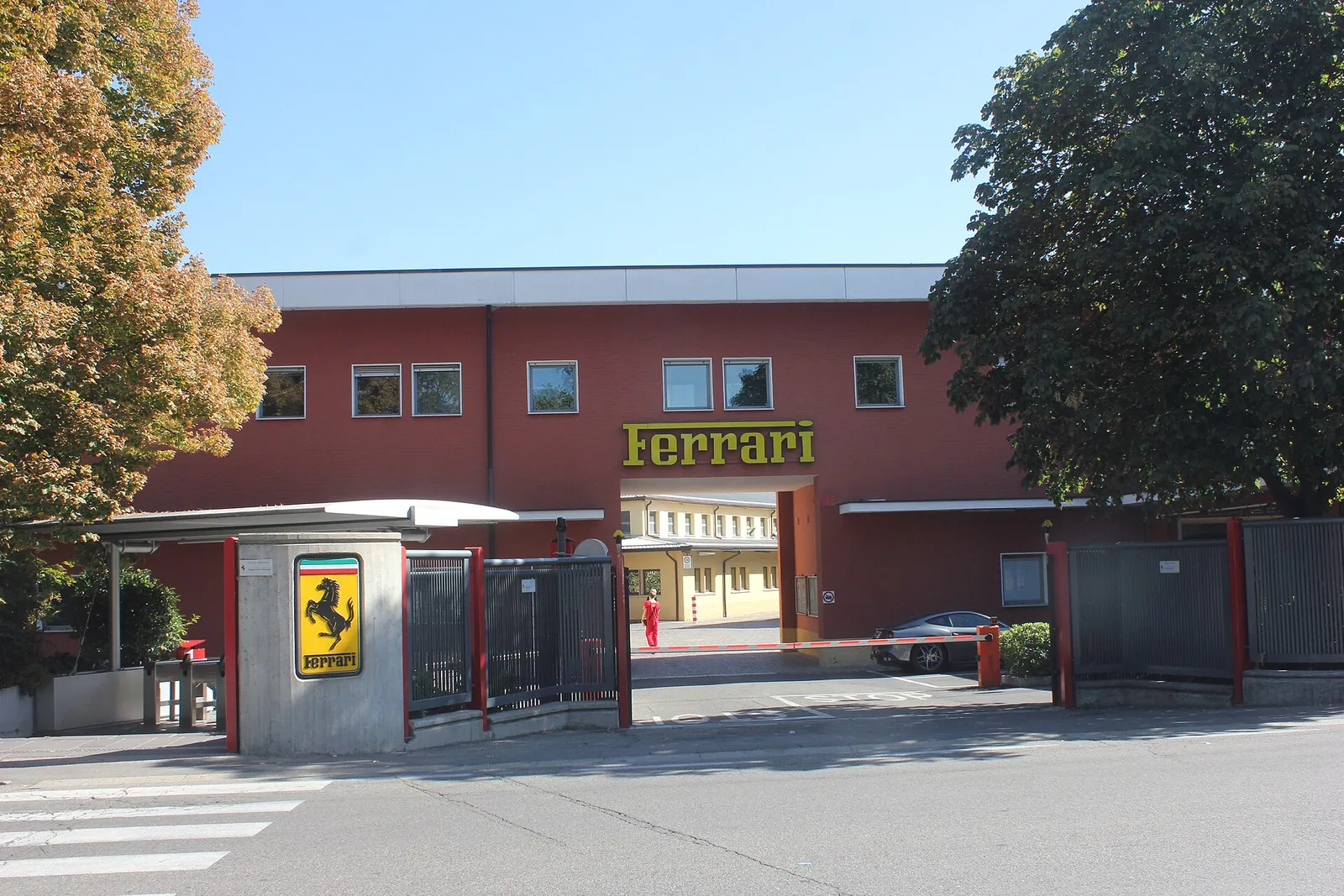
Ferrari is changing the head of its marketing department weeks after the rocky debut of its first electric car — a juxtaposition the company says is coincidental, but one investors and the Italian press have been quick to link.
The change at the top
Ferrari said on June 23 that Enrico Galliera, its chief marketing and commercial officer for more than 16 years, will leave on July 1. His successor is Massimiliano Di Silvestre, most recently president and chief executive of BMW Group Italy, who will report to Ferrari CEO Benedetto Vigna. In its statement, Ferrari framed the move as long-planned, with Vigna thanking Galliera for an "extraordinary contribution" and the company saying his decision to move on "had been discussed with the company for some time."
The car at the center of it
The timing is awkward. On May 25, Ferrari revealed the Luce — Italian for "light" — its first battery-electric production car, priced from €550,000 (about $640,000), with deliveries due in the fourth quarter of 2026. The exterior was developed with Jony Ive, the former Apple design chief, through his firm LoveFrom. Ferrari had used the working name "Elettrica" when it first flagged the project at its October 2025 investor day.
The reaction to the design was harsh and public. Critics likened the car's smooth, edgeless shape to a mass-market crossover; Italy's deputy prime minister Matteo Salvini called it "outrageously expensive," and former Ferrari chairman Luca di Montezemolo described the design as a disgrace to the brand's history, according to reporting compiled by The Next Web. That Ferrari had already disclosed the car's name, interior and specifications beforehand left the exterior as the launch's sole surprise — and the part that fell flat.
The market reaction
Ferrari's Milan-listed shares fell more than 8% in the session after the reveal, wiping out roughly $4 billion in market value, according to The Next Web and Fortune. Analysts at Citi urged investors not to be "overly concerned," attributing part of the slide to a "buy the rumor, sell the news" reaction after a strong run-up, CNBC reported.
It was not the first EV-related jolt. At its October 2025 capital markets day, Ferrari cut its 2030 target for fully electric models from 40% of its lineup to 20%, and the shares fell more than 15% — its worst day since listing in 2016, CNBC reported at the time.
The strategic stakes
Ferrari's revised plan envisions a roughly even split by 2030 — internal-combustion, hybrid and a smaller slice of fully electric cars — with Vigna stressing the Luce will add to, not replace, the combustion lineup. The business reason for caution is plain: Ferrari runs some of the fattest margins in the auto industry, around 28%, built on scarcity, heritage and the emotional pull of its engines. Alienating the core clientele that sustains those margins is a real risk, even as regulation and generational change make some electrification unavoidable.
That tension is what makes the leadership change resonate beyond a routine reshuffle. Whether or not Galliera's exit was set in motion before the Luce's debut, the departure of a 16-year marketing veteran within weeks of a launch that rattled investors signals a brand recalibrating how it sells its most delicate product yet — an electric Ferrari to buyers who fell in love with the sound of a V12.