Flipkart is moving aggressively to expand Flipkart Minutes, its quick-commerce arm, as India's market for ultra-fast delivery becomes one of the most fiercely contested corners of global retail.
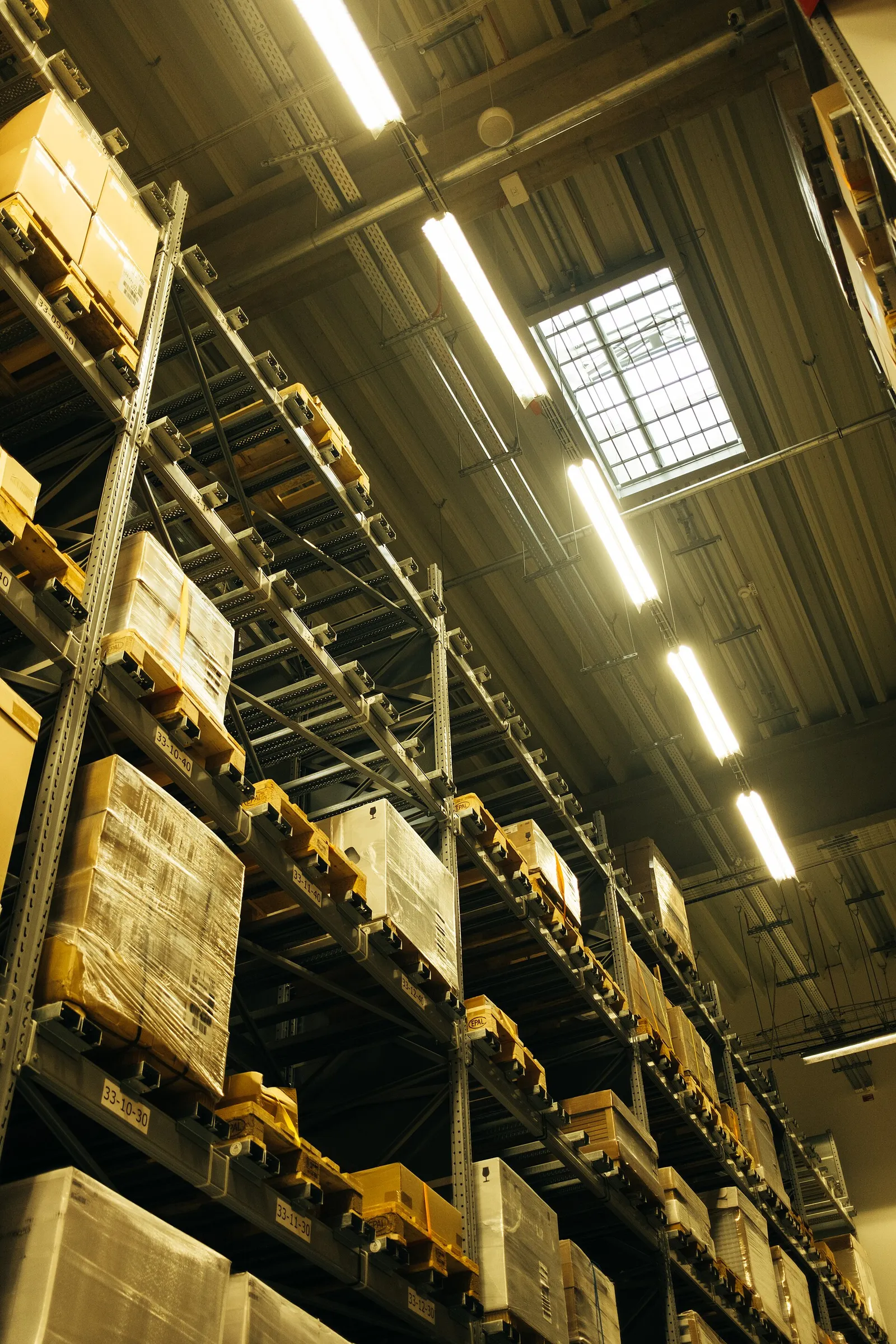
"Quick commerce" refers to the delivery of groceries and everyday essentials in roughly 10 to 15 minutes. It depends on "dark stores" — small, customer-facing warehouses, also called micro-fulfillment centers, that hold inventory close to dense neighborhoods so couriers can dispatch orders within minutes.
Flipkart's buildout
Flipkart, which is about 80% owned by Walmart following the U.S. retailer's $16 billion deal for a controlling stake in 2018 and further share purchases since, is adding micro-fulfillment centers at a pace of 75 to 100 per month. The company aims to grow its network to more than 1,500 centers by the end of 2026, up from around 1,000, expanding coverage to more than 130 cities and 8,000 postal codes, TechCrunch reported. A UBS report cited by Entrackr similarly pegs the target above 1,500 stores.
Much of the new buildout targets smaller "Tier-2" and "Tier-3" cities, part of a strategy to reach beyond the big metros where rivals are already entrenched. Flipkart says orders have grown about 400% year over year, and Kunal Gupta, who heads Flipkart Minutes, said customers "are not just ordering more; they are ordering differently," per TechCrunch.
A crowded field
The competitive field is led by Blinkit, owned by Eternal (formerly Zomato), which operates roughly 2,000 to 2,200 dark stores and is targeting 3,000 by March 2027. Zepto runs about 1,150 stores and Swiggy Instamart around 1,136, both as of late 2025, according to the UBS figures cited by Entrackr. On those counts, Flipkart could become the second-largest player by store count behind Blinkit.
Amazon is the newest large entrant. Its AmazonNow service has rolled out roughly 450 to 500 dark stores, with several hundred operational, and plans to scale toward 1,000-plus centers across 100 cities, TechCrunch reported. UBS said Amazon intends to wind down its slower Amazon Fresh grocery service in some cities as it pivots toward instant delivery.
Big market, demanding economics
The stakes are large. India's quick-commerce segment reached roughly $7 billion to $8 billion in gross merchandise value in the most recent fiscal year, expanding at triple-digit annual rates earlier in the decade. Estimates for its size by 2030 vary widely: a Google-Deloitte analysis projects $45 billion to $50 billion, Storyboard18 reported, while other industry estimates run higher. These are projections, not certainties.
The economics remain demanding. UBS estimates a typical dark store costs roughly 45 lakh to 60 lakh rupees (about $54,000 to $72,000) to set up and breaks even at around 1,400 to 1,500 daily orders, per Entrackr. With at least five well-funded players now building networks at once, the next phase of India's quick-commerce race will test how many can reach that scale profitably.