The U.S. Federal Trade Commission has cleared the way for Elon Musk to acquire Mesh Optical Technologies, a startup that builds the optical hardware data centers use to move information at high speed, TechCrunch reported. The agency expedited its antitrust review of the deal, an FTC filing showed.
What the FTC did, and why it matters
Under U.S. law, acquisitions above a certain size must be reported to antitrust regulators before they close, and the buyer must wait while the agencies check whether the deal would weaken competition. The FTC's decision to expedite — speeding through that review rather than opening a longer investigation — clears Musk to proceed. It is not an endorsement of the deal; it signals only that regulators saw no competition problem worth pursuing.
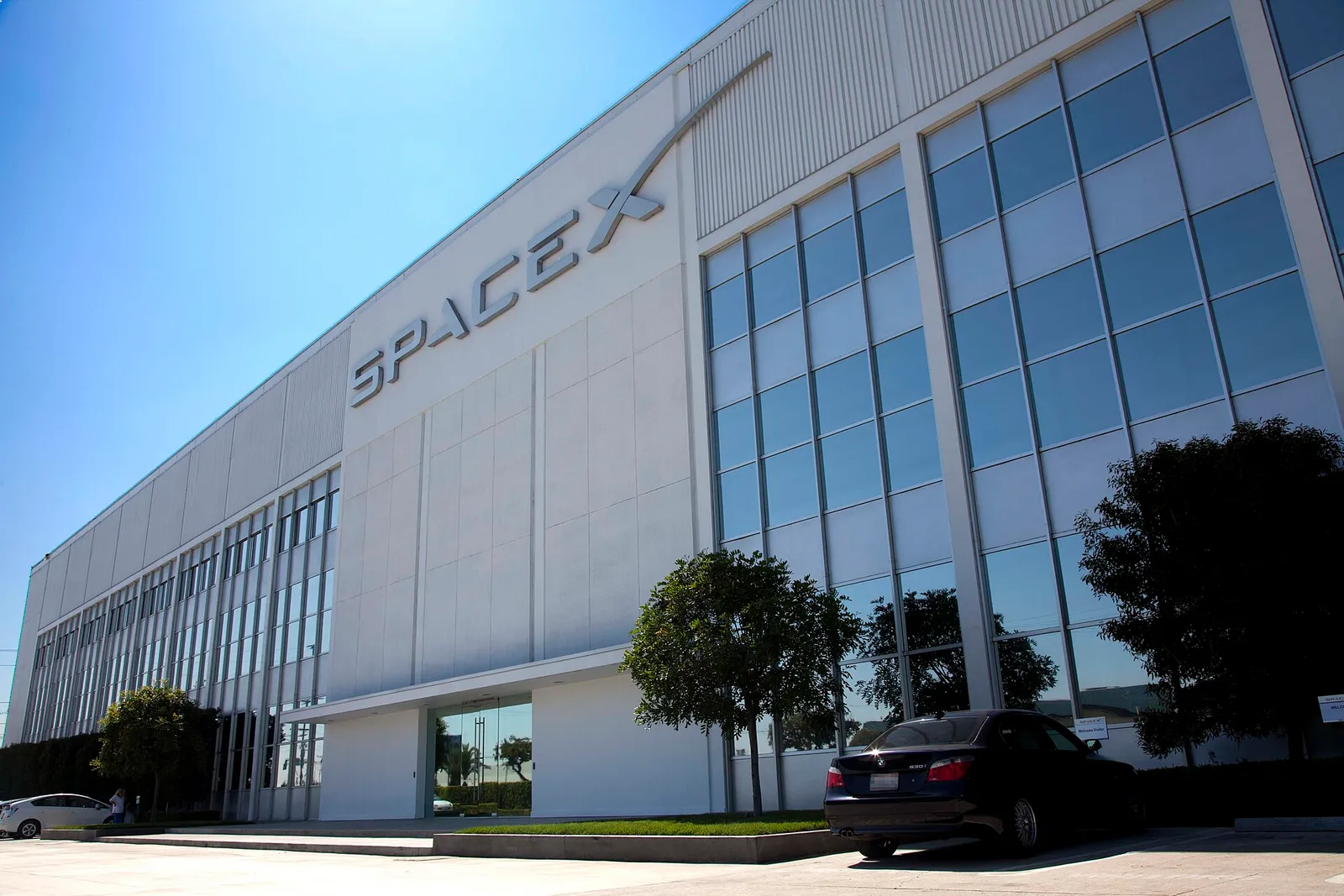
The review matters here because Musk controls a cluster of companies — SpaceX, the AI developer xAI, and the social platform X among them — that increasingly compete for the same scarce inputs: engineering talent, data-center capacity and specialized hardware. When a buyer that large absorbs a supplier, regulators weigh whether rivals could be shut out. In this case, they let it through.
What Mesh makes
Mesh Optical Technologies develops optical transceivers — components that send data using light rather than electrical signals, allowing information to move far faster between the machines packed inside a data center. As artificial-intelligence systems grow, the volume of data shuttled between processors has exploded, making fast, efficient optical links a genuine bottleneck in building large computing clusters.
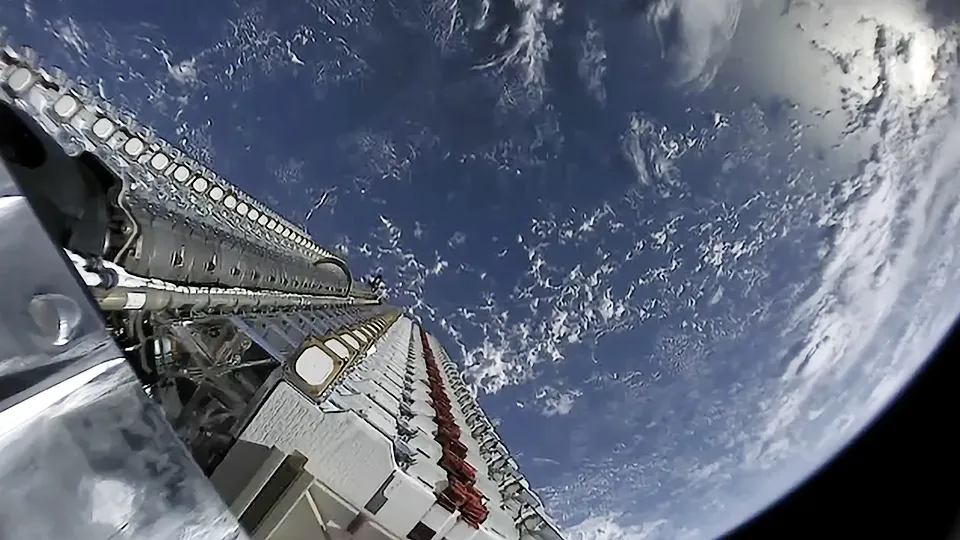
The company's founders know that problem from orbit. Mesh was started by three former SpaceX engineers — Travis Brashears, Cameron Ramos and Serena Grown-Haeberli — who, according to TechCrunch, developed the optical communication links that keep SpaceX's thousands of Starlink satellites connected to one another in space. Mesh announced a $50 million Series A funding round, led by Thrive Capital, in February 2026.
How it fits Musk's expanding compute ambitions
The acquisition lines up with a recent push by SpaceX into the infrastructure behind AI. SpaceX has entered agreements with Anthropic, Google and the open-source AI developer Reflection AI to provide them with computing capacity at its data centers, TechCrunch noted. Owning a maker of high-speed optical components could help Musk's companies build out that capacity while leaning less on outside suppliers — and the founders' Starlink background is directly relevant to the optical links SpaceX uses between satellites.
What is not yet known
Key details remain undisclosed. Neither the purchase price nor the deal terms were made public, and the filing did not specify which of Musk's entities — SpaceX, xAI or another — is making the acquisition. The clearance removes the regulatory hurdle, but the transaction still has to close before any of it takes effect.