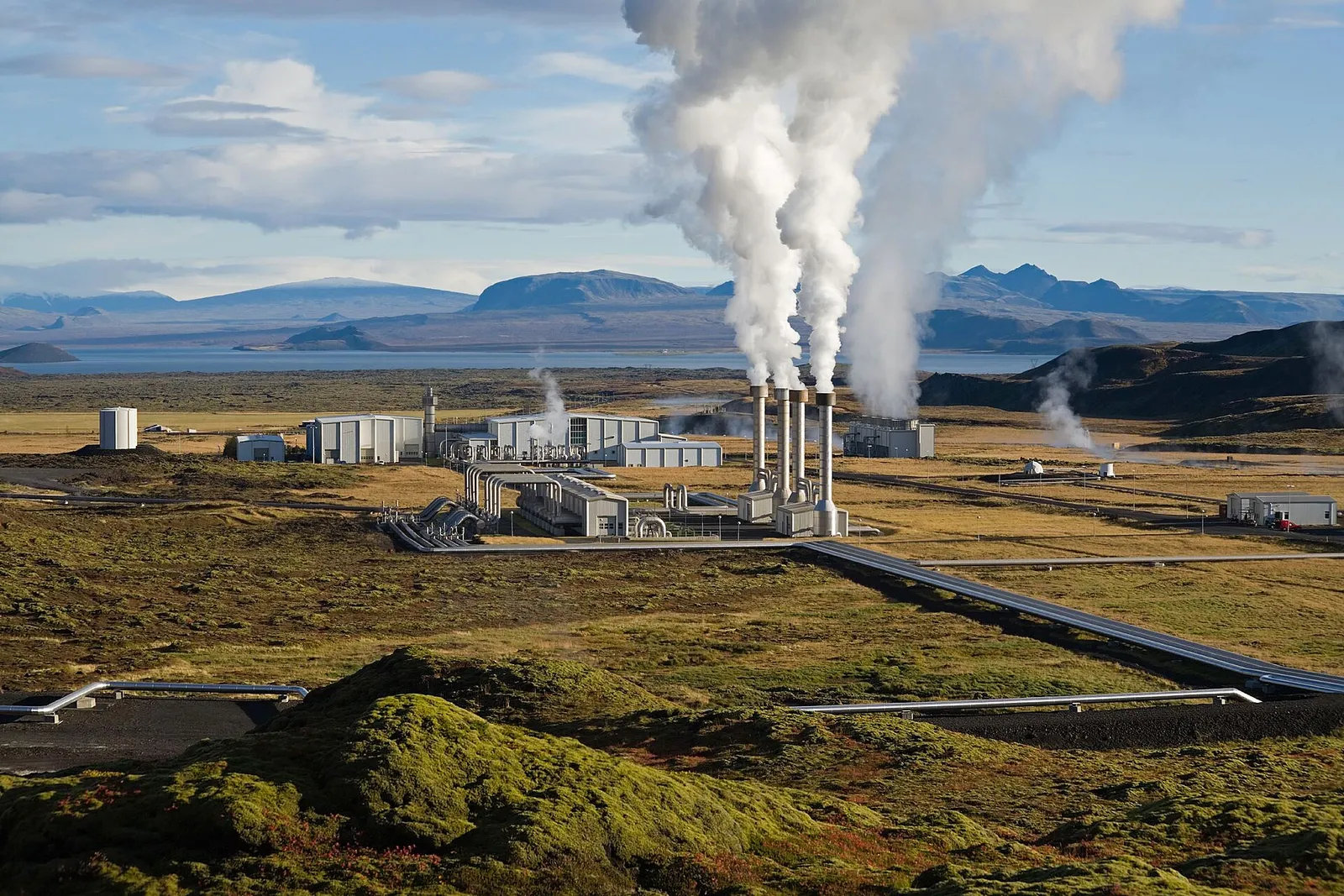
Geothermal has long been the overlooked member of the clean-energy family. That is starting to change — for reasons that have as much to do with AI data centers as with the climate.
What geothermal is
Geothermal energy is heat drawn from inside the Earth and turned into electricity or used directly for heating. Conventional plants tap natural underground reservoirs of hot water or steam to spin turbines, then reinject the water. Their great advantage is reliability: U.S. geothermal plants run at capacity factors above 90%, according to the Department of Energy — generating around the clock, unlike solar or wind. Engineers call that firm or baseload power: always-on generation that can anchor a grid. The catch is geography. Natural hot reservoirs at reachable depths are rare, so countries like Iceland and Kenya have used geothermal for decades while most of the world couldn't.
What's changing: enhanced geothermal
The breakthrough drawing investors is enhanced geothermal systems (EGS). Instead of finding natural hot water, engineers make a reservoir: they drill into hot but dry rock, pump fluid in under pressure to open a network of fractures, then circulate water through to carry the heat up. The idea dates to the 1970s, but it stayed too costly — until the horizontal drilling and fracturing techniques that the oil-and-gas industry perfected over the past two decades were applied to it, cutting drilling times and reaching hotter rock faster. Drilling alone can be 30–40% or more of a geothermal project's cost, the DOE notes, so faster, cheaper wells change the whole economics.
The company in front
Houston-based Fervo Energy, founded in 2017, has led the commercial push, using horizontal wells, fiber-optic sensing and AI-assisted drilling. Its flagship, Cape Station in Utah, targets about 100 megawatts by early 2027, expanding toward 500 MW by 2028, the company says — and in March 2026 it secured $421 million in project financing from a bank consortium including Barclays, HSBC, MUFG and J.P. Morgan, a structure once thought out of reach for first-of-a-kind plants. Fervo went public on Nasdaq in May 2026, raising about $1.89 billion, according to CNBC. The validation isn't just financial: an early deal supplied 24/7 carbon-free power to Google.
Why now
The most immediate driver is demand for reliable clean electricity from technology firms and AI data centers, which need power that never blinks. Solar and wind alone can't guarantee that without costly storage; geothermal's 90%-plus uptime is a near-perfect match. That commercial pull — companies wanting round-the-clock carbon-free power, not annual averages — is what turned geothermal from a research curiosity into a financeable business.
The upside could be large. A 2025 Princeton study estimated EGS could supply up to 20% of U.S. electricity by 2050, with hundreds of gigawatts deployable, Princeton researchers found. The U.S. has only about 3.7 GW of geothermal today, mostly in the West.
The catch
Costs still rise sharply with depth, and east of the Mississippi the hot rock sits deeper, so EGS economics there remain harder. Geothermal also competes with falling-cost batteries and with nuclear for the "firm clean power" role. The technology has to keep driving drilling costs down to win at scale. The heat under our feet is effectively limitless and always on; the unglamorous, expensive task is reaching it cheaply enough to matter. For the first time, the industry — and capital markets — seem to think it can.