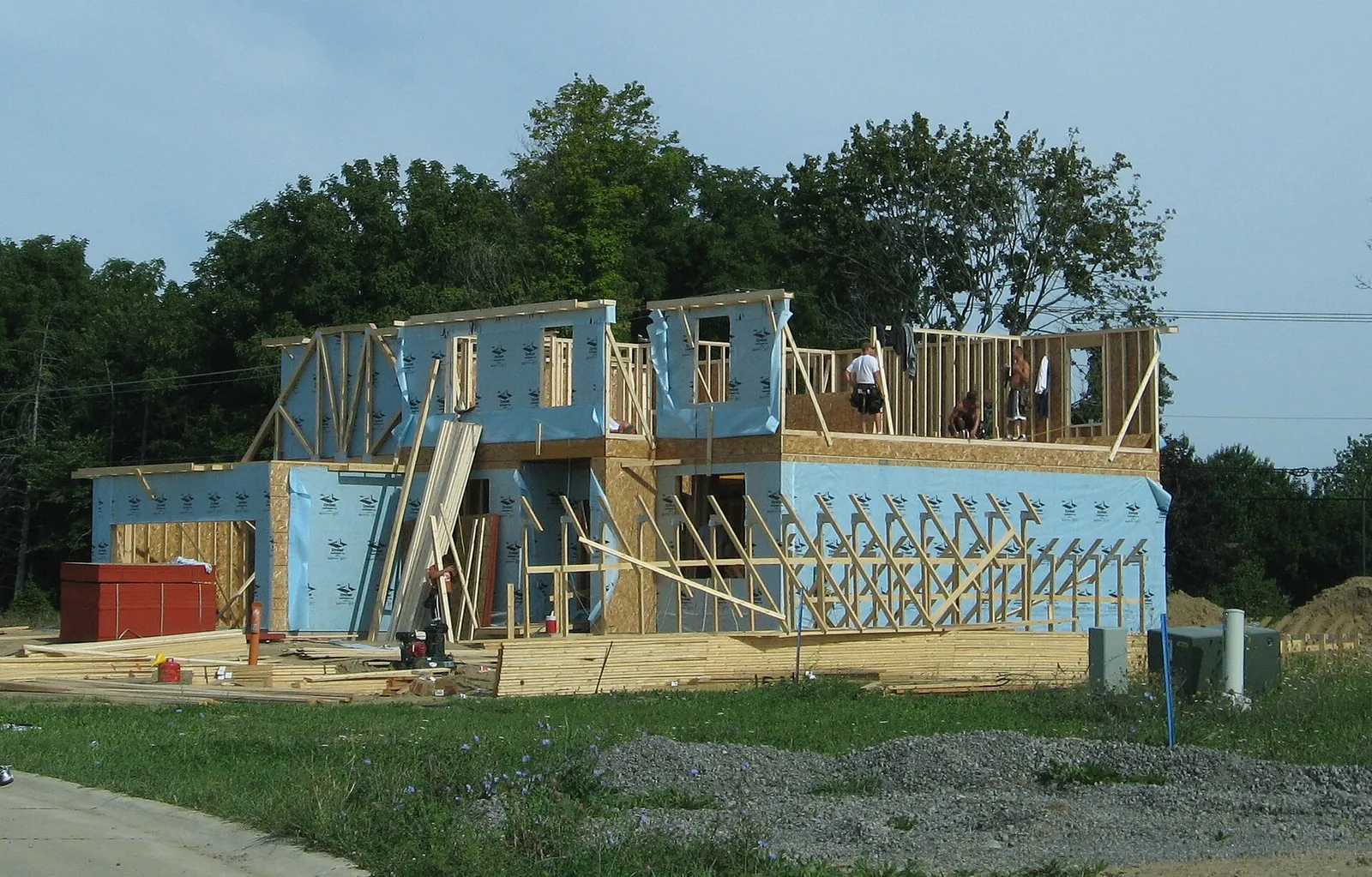
America's homebuilders are increasingly resorting to the bluntest tool they have: cutting prices. In July, 37% of builders reported reducing prices, with an average cut of about 6%, and 63% offered some form of sales incentive, according to the National Association of Home Builders. The trade group noted it was the latest in a long run of months in which most builders have leaned on incentives to keep sales moving.
Why builders discount when buyers hesitate
A homebuilder is not like an individual seller who can wait for the right offer. Builders carry inventory, finished and half-finished houses, that costs money to hold, through construction loans, land costs and property taxes. When demand softens, letting unsold homes sit is expensive, so builders would often rather trim the price or sweeten the deal than stop the flow of sales. That is why builder behavior is a useful early read on the housing market: they move on price faster than ordinary homeowners do.
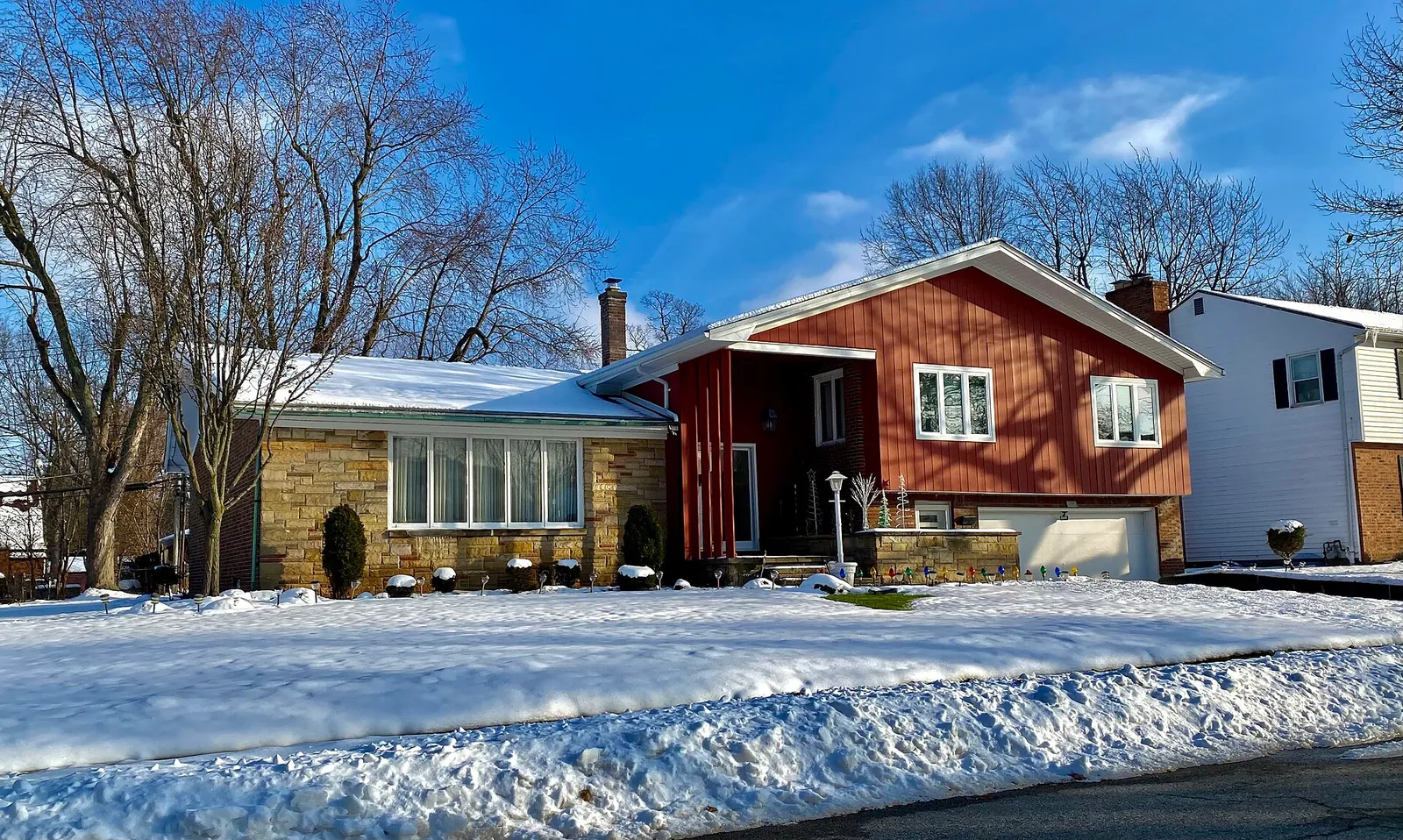
The discounting has produced a genuinely unusual result. In the first quarter, the median price of a new home slipped slightly below that of an existing home, about $403,200 versus $404,600, the first time new homes have been cheaper than resales in data going back decades, according to Fortune. Normally new homes command a premium; that it has flipped shows how hard builders are working to move product while many existing-home owners, locked into cheap old mortgages, simply refuse to sell at a discount.
What a mortgage-rate buydown actually is
The most common incentive is not a headline price cut but a "mortgage-rate buydown," and it is worth understanding. Instead of lowering the sticker price, the builder pays cash up front to reduce the buyer's mortgage interest rate, often for the first couple of years of the loan. A buyer facing, say, a 6.6% rate might instead pay closer to 5% early on, which meaningfully lowers the monthly payment at the start and can help them qualify for the loan. After the buydown period ends, the rate steps back up to the normal market level. It is real help with early affordability, but buyers should be clear that the low payment is temporary.
The backdrop: high rates, more supply
The pressure comes from two directions. Mortgage rates remain around 6.6%, far above the sub-3% rates many buyers locked in during the pandemic, which keeps monthly payments stretched even where prices have eased. At the same time, the stock of new homes for sale has climbed, leaving builders with more inventory to clear. The strain is heaviest in fast-growing Sun Belt metros that saw the most construction, with markets such as Phoenix, Tampa and San Antonio among those showing the largest shares of listings with price cuts, according to market analyses. More broadly, the research firm John Burns has reported home prices falling in a substantial share of US markets, a sign the softness is widespread rather than local.
What it means for you
For a buyer, this is a market with more room to negotiate than in recent years, and builder incentives can be worth real money, especially a rate buydown that eases the early payment squeeze. The cautions are equally practical: understand whether an incentive is a permanent price cut or a temporary payment reduction, and remember that a low introductory rate resets later. For the wider economy, heavy builder discounting is a signal that housing demand is soft at today's borrowing costs, something that feeds into everything from construction jobs to consumer confidence. Boursel does not give investment or borrowing advice; the useful thing is to know that, for now, the pricing power in new homes has shifted toward the buyer.