Few corporate moments are as stark as a chief executive bowing in apology to shareholders. Honda's Toshihiro Mibe did exactly that — and then survived.
The apology
At Honda's annual general meeting on June 26, Mibe apologized "for the significant concern and inconvenience caused by the net loss" in the fiscal year ended March 31, Reuters reported. Shareholders then approved his reappointment, along with the rest of the board — a vote that mattered, because Honda's own retired executives had spent months campaigning to push him out.
The numbers
Honda reported a net loss of ¥423.9 billion (about $2.7 billion) for the year, swinging from a ¥835.8 billion profit the year before — its first annual loss in decades, per its SEC filing. The cause was an electric-vehicle strategy that proved too costly, too early: EV-related charges — impairments, disposals and provisions — totaled roughly ¥1.58 trillion (about $10 billion). Revenue barely moved, edging up to ¥21.8 trillion, which only underscored how much the write-downs drove the loss.
The EV bet that backfired
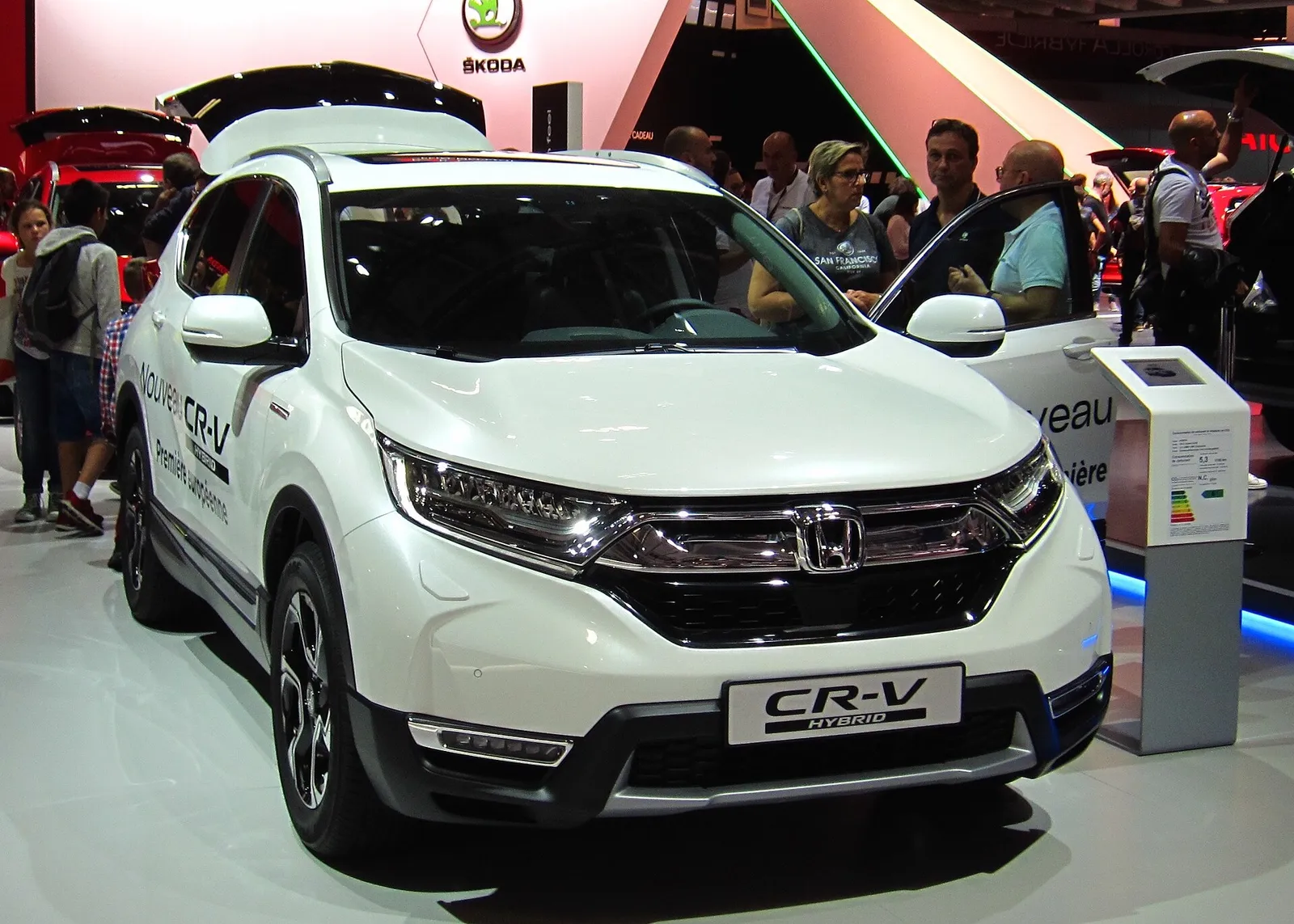
Honda committed heavily to EVs after pledging in 2021 to phase out gasoline engines — then U.S. EV demand grew far slower than projected, Chinese rivals led by BYD undercut it in a key market, and policy shifted. This spring Honda canceled three North American EV models and shelved a planned Canadian plant, and the Sony-Honda "Afeela" venture pulled back. Mibe cut Honda's 2030 EV sales target from 30% to 20% of vehicles and pivoted toward hybrids, targeting 15 new hybrid models by 2029. On top of that, U.S. auto tariffs — initially 25% on Japanese imports, later eased to 15% under a trade deal — are a fresh headwind; Honda has flagged a multi-hundred-billion-yen hit to operating profit.
The revolt that failed
The losses emboldened a faction of retired Honda leaders who pressed Mibe to resign over the EV missteps and neglect of China; reports said 90-year-old former CEO Nobuhiko Kawamoto personally asked him to step down. Mibe declined, the board's nominating committee backed him, and he accepted a 30% pay cut for three months as a gesture of accountability. The episode also sits in the shadow of Honda's collapsed 2025 merger talks with Nissan, which fell apart over Honda's proposal to make Nissan a subsidiary.
What it means
The vote hands Mibe — now also designated head of "business reform" — a mandate to execute a turnaround built on hybrids and cost discipline. Honda is guiding to a return to operating profit (around ¥500 billion) in the current year as EV charges clear. The broader lesson for the auto industry is sobering: Honda's loss is a case study in the cost of betting too hard, too soon on a full EV transition while demand, policy and competition all moved against it. Whether the hybrid pivot arrives fast enough to satisfy investors — and Honda's watchful alumni — is the open question.