After years of promises, the electric air taxi is inching toward reality, and the US government is now helping to shepherd it there. A federal pilot program is letting a small group of companies fly their aircraft under close supervision, gathering real-world data ahead of full certification, and one company, Vermont's Beta Technologies, has emerged as an early front-runner.
What eVTOL actually means
eVTOL stands for electric vertical take-off and landing. These aircraft use electric motors and multiple rotors to lift straight up like a helicopter, then fly forward like a plane, so they need no runway. Because they run on batteries rather than jet fuel, backers say they can be far quieter and cheaper to operate than helicopters, which is the pitch for using them as short-hop air taxis over traffic-clogged cities, or for cargo and medical flights.
The catch has always been the gap between a promising prototype and a certified aircraft that regulators will let carry paying passengers, a process that normally takes years.
The federal pilot program
To speed things up, the Federal Aviation Administration and the US Department of Transportation launched an eVTOL Integration Pilot Program earlier in 2026, selecting a set of projects to fly across dozens of states. The key idea is that chosen operators can begin supervised operations during the pilot rather than waiting to complete the full type-certification pathway first, giving the FAA hard data on safety and performance while companies gain flight experience.
Beta Technologies was the standout, winning seven of the program's eight projects, more than any rival. In a sign of the political attention the sector now attracts, US Transportation Secretary Sean Duffy flew aboard Beta's aircraft at its Vermont base earlier this year.
Beta's aircraft
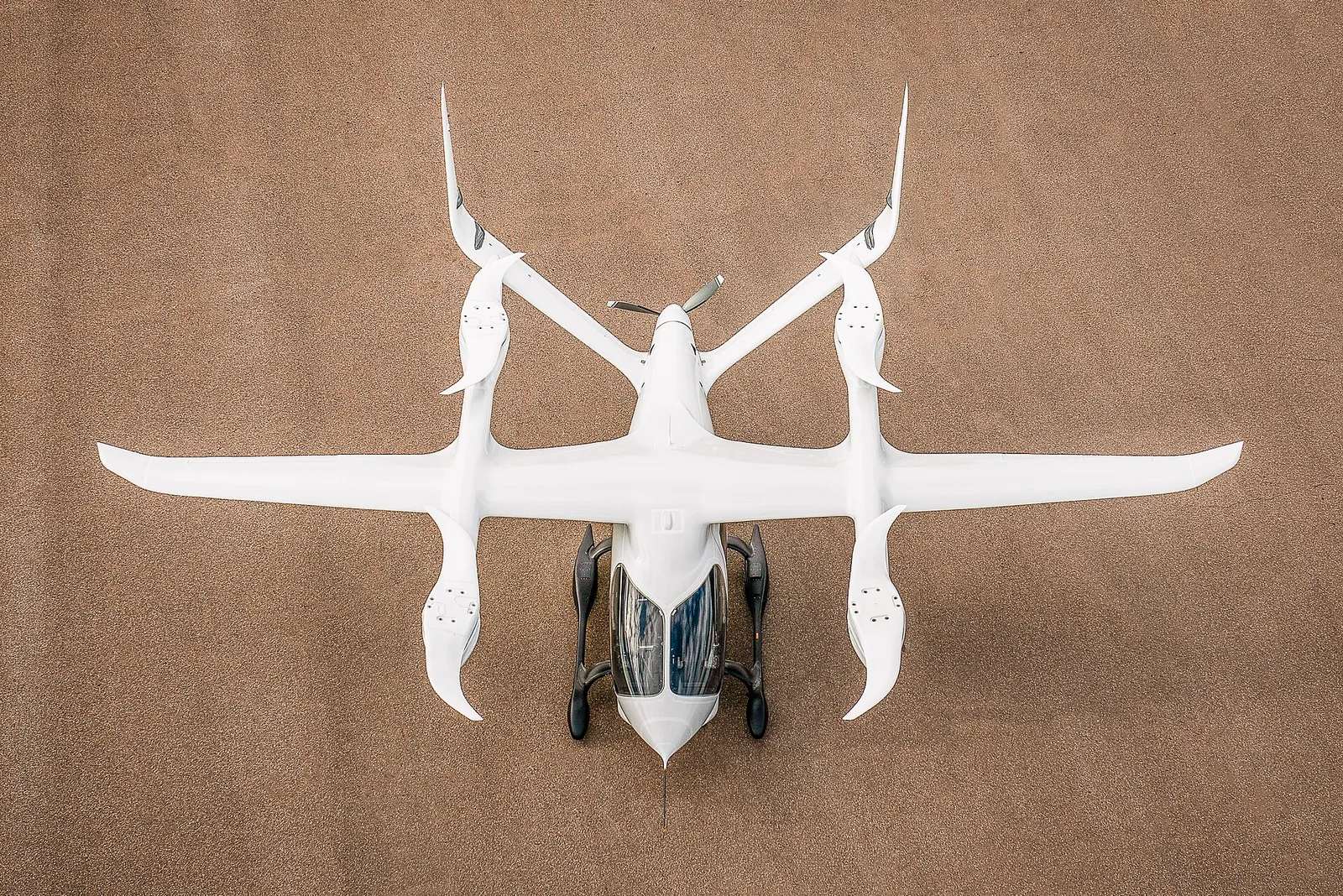
Beta builds its ALIA aircraft in two versions: a vertical-take-off model and a conventional-take-off version that uses a short runway. The company says the aircraft can carry several people or cargo up to around 250 nautical miles (about 290 miles) on a charge, and recharge in under an hour. Early operations in the program are expected to focus on lower-risk missions such as cargo and medical supply runs before any move toward carrying passengers.
A crowded, cash-hungry race
Beta is not alone. Its best-known rivals, Joby Aviation and Archer Aviation, are also well-funded and pushing through the FAA's multi-stage certification process, each having reached advanced milestones and each targeting the start of commercial service. Other companies are pursuing their own designs for passenger, cargo and autonomous flight.
What unites them is a simple, unproven bet: that "urban air mobility" can become a real business. The companies have collectively raised billions of dollars, and Beta itself has tapped public markets to fund its development. But the path from supervised test flights to profitable, everyday service still depends on regulatory approval, building landing and charging infrastructure, winning public acceptance, and, ultimately, economics that work. The pilot program does not answer those questions. What it does give the industry is something it has long lacked: official permission to fly in US airspace, and the data to prove whether the promise holds up. This article is informational and not investment advice.