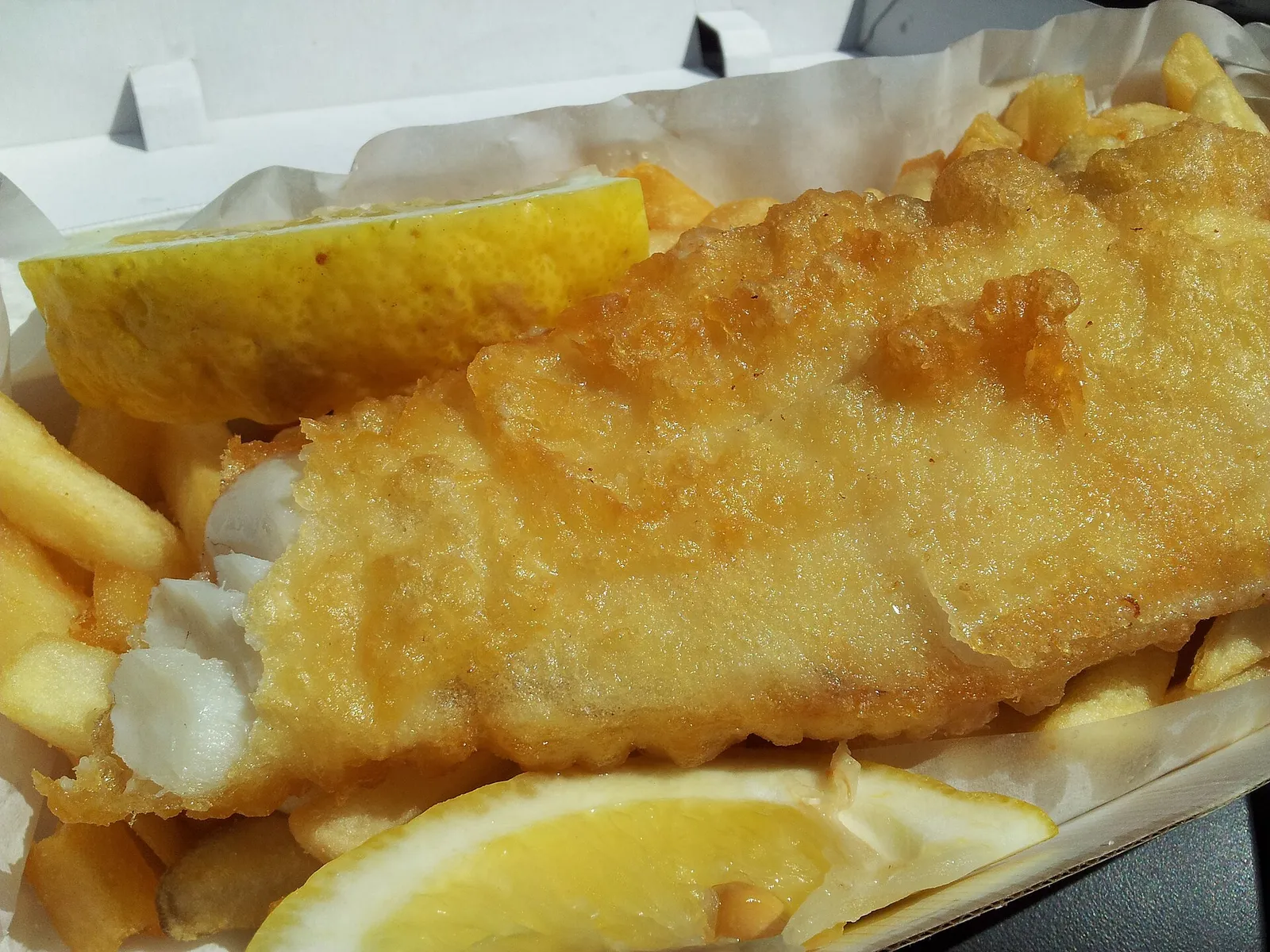
Fish and chips is supposed to be the affordable treat, and for generations it was. Not so much now: the price of a typical portion has climbed to well over £11 in many chip shops, a rise of roughly half over about five years, far outpacing many other takeaways, as the BBC has reported. The reason is not one thing but several, and together they make a simple plate of food a surprisingly good window into inflation.
The fish
Start with the cod and haddock. These are wild-caught fish, and how many can be landed is set by international quotas agreed between the UK, the EU and Norway to prevent overfishing. When those quotas are cut, as North Sea cod quotas have been, the supply of fish tightens and the wholesale price rises.
The squeeze was made worse by geopolitics. Britain used to get a large share of its frozen white fish from Russia; after sanctions cut that off, chip shops have had to buy more from Norway and Iceland, competing on world markets for a scarcer, pricier supply. So a plate of cod is now tied to fishing science, diplomacy and sanctions all at once.
The oil
Every chip is fried, and the fryer runs on cooking oil, typically sunflower or palm oil. Sunflower oil in particular became far more expensive because of the war in Ukraine, one of the world's biggest producers; attacks on its farming and export infrastructure have pushed prices to multi-year highs. A chip shop in Britain, in other words, feels the effects of a war on the Black Sea every time it tops up the fryer.
The potatoes
Then the chips themselves. British potato harvests have been hit by bad weather, with waterlogged fields and disrupted harvesting cutting yields. A poor crop means less supply and higher prices for the potatoes that become chips, and it leaves shops exposed to the next spell of bad weather.
The energy and the wages
On top of the ingredients sit two big overheads. Running commercial fryers all day is energy-intensive, and business electricity and gas prices, while off their peaks, remain well above where they were a few years ago. And wages have risen with the wider cost of living. Both feed straight into the price on the menu.
Why one dish, so many markets
Here is the useful part. A single fish supper quietly depends on fishing quotas set by treaty, sanctions policy, a war's impact on global cooking-oil supply, domestic harvests at the mercy of the weather, wholesale energy markets and labour costs. Few products are exposed to so many separate shocks at the same time.
And chip shops are especially vulnerable to all of it. Most are small, family-run businesses with thin margins. Unlike a big supermarket or fast-food chain, they cannot hedge commodity prices, absorb cost spikes, or fully pass them on without losing the very customers, often on tighter budgets, who rely on them for a cheap meal. Some have coped by switching to cheaper fish, others by raising prices, both of which carry a cost.
What it says about food inflation
The fish-and-chip shop is a small business standing at the crossroads of half a dozen global markets, and that is exactly why its prices tell a bigger story. Food inflation is rarely about one runaway ingredient; it is the sum of many pressures, energy, weather, geopolitics, supply chains, landing at once on businesses too small to shield themselves. The next time a fish supper feels dear, it is worth remembering how far its ingredients have travelled, and how many things had to go up in price along the way. This article is informational and general in nature, not financial advice.