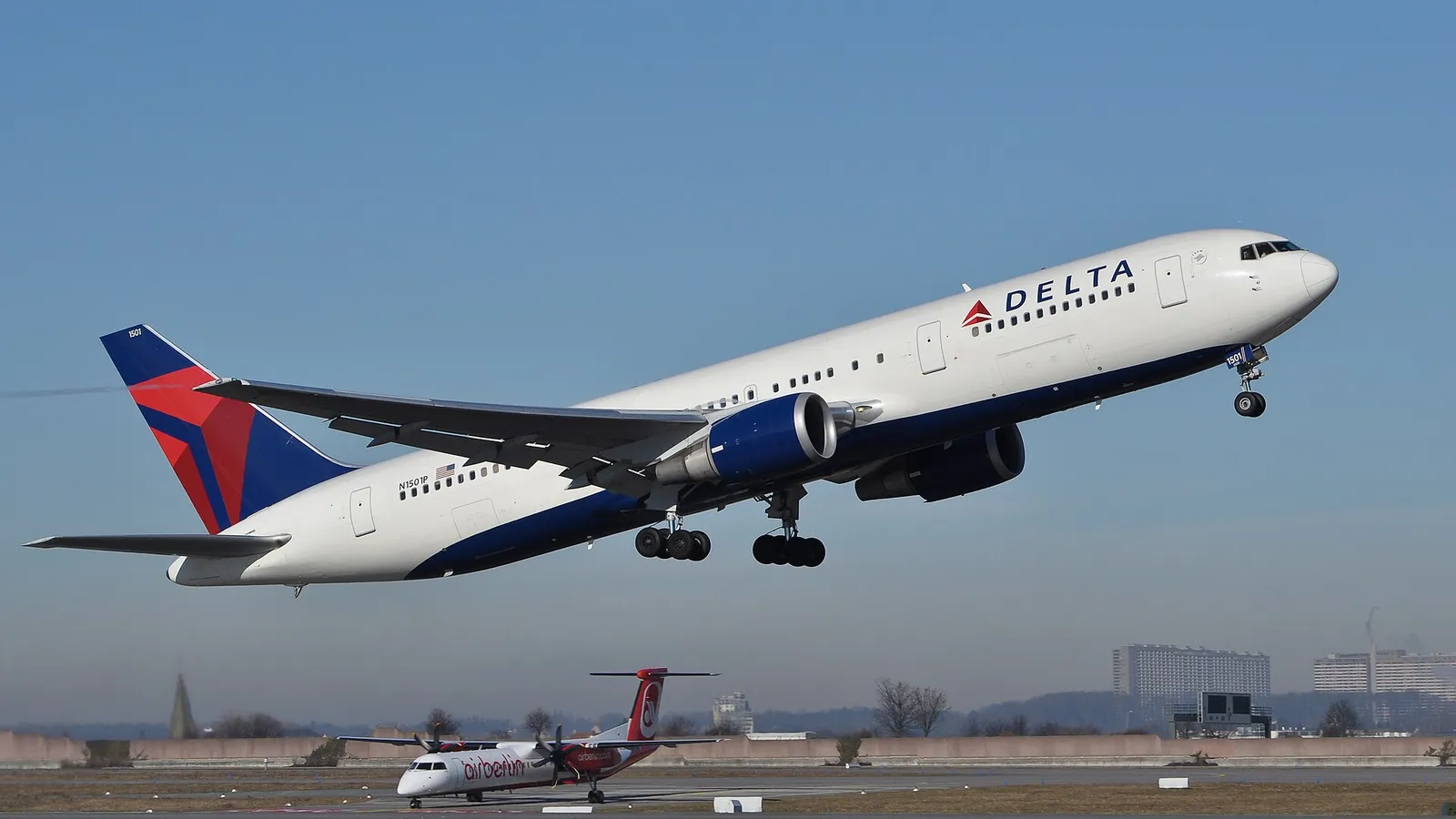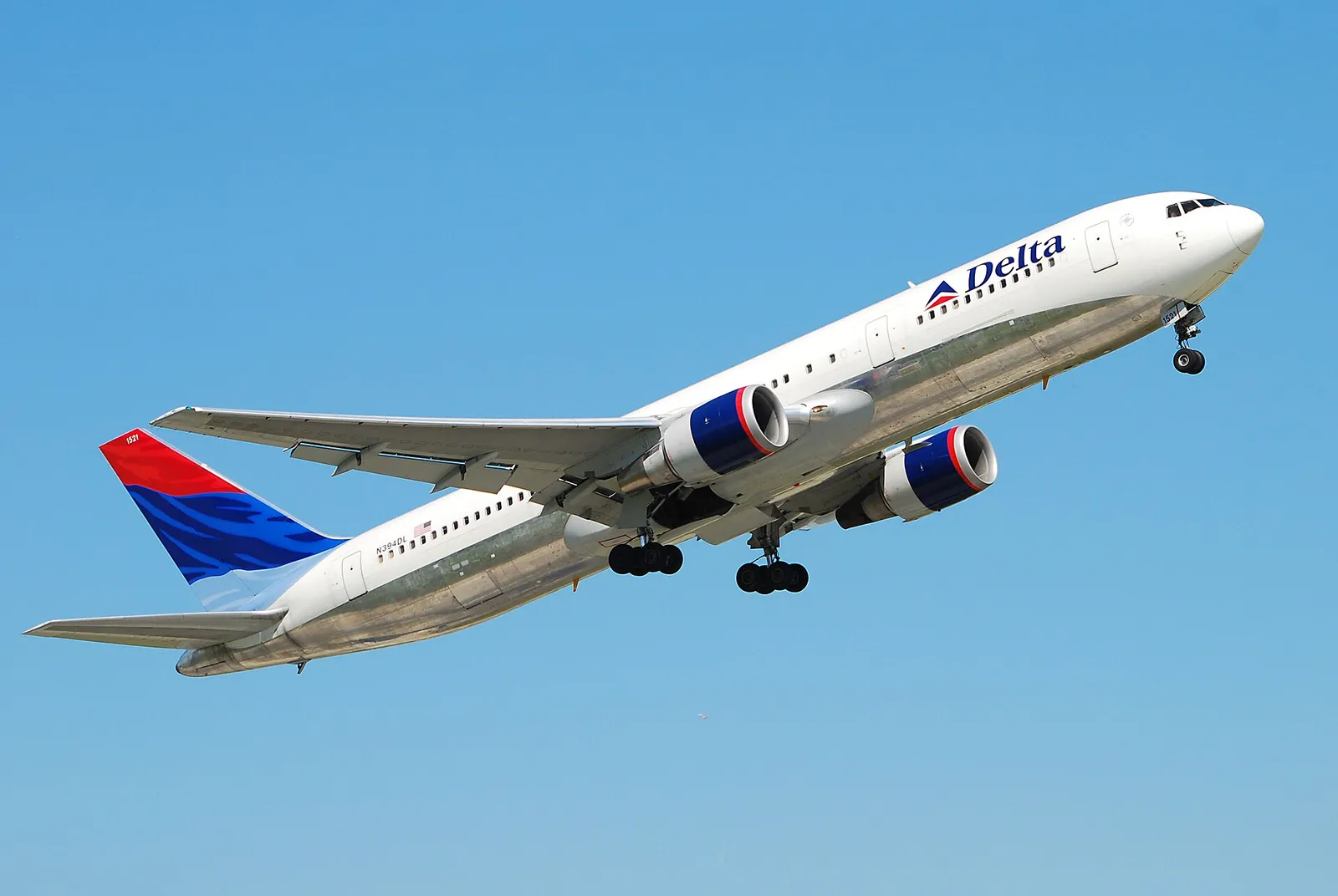
Delta Air Lines, traditionally the first big US carrier to report each quarter, kicked off earnings season with a result that beat Wall Street's expectations. The airline earned an adjusted $1.56 a share in the June quarter, according to its own results, ahead of the roughly $1.48 analysts had penciled in. On a headline (GAAP) basis, profit was $2.44 a share.
The numbers
Delta reports two revenue figures, and the gap between them matters. Total operating revenue was $19.8 billion, but the number the airline and analysts focus on is "adjusted" operating revenue of $17.7 billion, which strips out sales from Delta's oil refinery to third parties so the figure reflects the airline business itself. Adjusted operating margin came in at 8.8%.
The company kept its full-year forecast of $6.50 to $7.50 in adjusted earnings per share. Reaffirming guidance halfway through the year, rather than trimming it, is Delta's way of telling investors that demand and pricing are tracking as planned.
Where the profit came from
Two engines did most of the lifting. The first is the front of the plane. Premium-cabin revenue, the pricier Comfort, first-class and business seats, rose 17% from a year earlier, far outpacing the main cabin. Airlines have leaned hard into premium because those seats carry much fatter margins, and Delta's results suggest better-off travelers are still willing to pay up.
The second is Delta's tie-up with American Express. Delta earns money each time customers spend on its co-branded credit cards, a steady, high-margin stream that does not depend on filling seats. That loyalty and card income has become one of the most valued parts of the business precisely because it is more stable than ticket sales.
By region, Delta said domestic unit revenue, a measure of revenue per seat flown, rose 12%, while international climbed 8%.
Fares stickier for longer
The most closely watched part of the report was less a number than a message: Delta signaled that the recent run of higher fares is not about to unwind. Management pointed to improving unit revenue into the September quarter and said it expected the momentum to carry into the December quarter, language that implies continued pricing discipline across the industry rather than a return to fare wars.
That matters beyond Delta. As the first major airline to report, its read on demand and pricing sets expectations for United, American and the rest, and shapes how investors think about travel spending in the second half of the year.
The cost side
Firm pricing is partly a response to higher costs. Delta said its adjusted fuel price rose about 75% from a year earlier to $3.93 a gallon, a steep jump that airlines have tried to offset by keeping seat growth modest so that supply does not outrun demand. Labor costs have also climbed after recent contract deals. Holding fares up is how carriers protect margins when fuel and wages rise together.
Why it matters
Delta is widely treated as a bellwether for US travel, so a beat paired with maintained guidance is a reassuring signal that premium demand and loyalty income are holding even as costs climb. The caution is that much of the strength is concentrated at the top end, in premium seats and card spending, which can soften if the economy weakens. For now, Delta's message to the market is that it can keep fares firm and profits on track, and the rest of the sector's reports over the coming days will test whether that confidence is shared. This article is informational and not investment advice.