Two numbers now frame the cost of the recent Iran war, and the gap between them is the story.
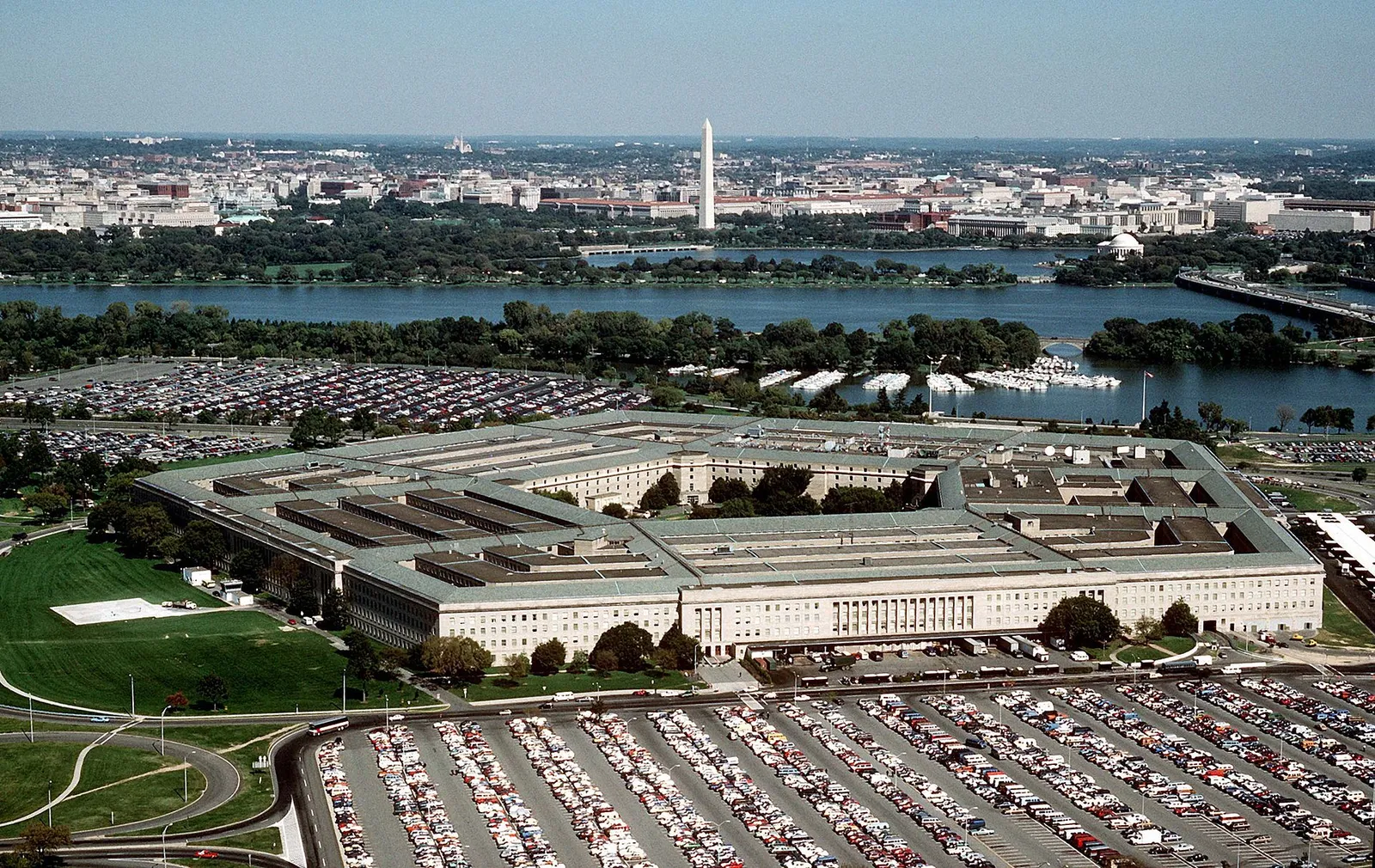
The first is official. Acting Pentagon Comptroller Jules Hurst III told the House Armed Services Committee on May 12 that the war had cost roughly $29 billion through that date, according to Fortune. That figure is a direct operational cost: troop deployments, fuel, maintenance and munitions priced at their book value in current inventory.
The second number is an estimate, not a confirmed figure. Linda Bilmes, a Harvard Kennedy School lecturer and a longtime federal budget specialist known for tallying the long-run cost of the Iraq war, places the broader near-term cost closer to $200 billion and climbing, Fortune reported. The distinction is between what the war cost to run and what it will ultimately cost to replace, repair and absorb.
Why the estimates diverge
Bilmes's case centers on accounting choices. The Pentagon values spent munitions at inventory prices rather than replacement prices, she argues — and replacement contracts she reviewed run two to three times higher. "Replacement cost of the inventory is two to three times higher than the inventory costs they're using," she told Fortune. Her estimate also folds in items the official tally omits: extended ship and air deployments, repairs to damaged U.S. installations in the Gulf, and veterans' health and disability obligations that accrue for decades. Bilmes projects the lifetime total will eventually exceed $1 trillion — a long-range projection, not a current bill, she has argued at Harvard and in earlier CNBC reporting.
The market channel
The largest economic costs may sit outside any defense ledger, in energy markets. Brent crude traded near $72 a barrel on Feb. 28, before the war, then climbed past $112 by late March as traders priced in a possible closure of the Strait of Hormuz — a swing of more than 50%, per a tally of the war's economic impact. U.S. pump prices peaked near $4.56 a gallon. Fortune, citing Bilmes's analysis, estimates Americans paid an extra $61.7 billion for gasoline and diesel from late February through late June — about $471 per household.
That spike has since reversed. Brent fell back toward the mid-to-high $70s by June as reports of a U.S.–Iran roadmap toward a peace deal eased supply fears — the same de-escalation Boursel has tracked through falling oil prices and an easing of Hormuz shipping risk. The retreat trims the forward cost but does not erase what households and businesses already paid.
Wider macro estimates remain modeled, not measured. Economist Justin Wolfers has put equity markets roughly 5% below where they would otherwise sit — a notional $3 trillion in lost value — and the Institute for Economics and Peace estimated the war shaved about 0.6% off global GDP, Fortune reported.
The takeaway is one of scope, not contradiction. The Pentagon's $29 billion is a confirmed, narrow operating cost. The roughly $200 billion figure — and the $1 trillion projection beyond it — are independent estimates that add replacement costs, future obligations and economic disruption. Where the war's full price lands depends largely on choices not yet made: how much inventory is rebuilt, how long deployments run, and whether oil stays calm.