Micron Technology reported fiscal third-quarter revenue of $41.5 billion, a 346% jump from the $9.3 billion it posted a year earlier, according to results released this week. It was the largest quarter in the Boise, Idaho company's history, driven almost entirely by surging demand for memory chips that feed artificial-intelligence data centers.
A quarter for the record books
Adjusted earnings came in at $25.11 a share, well above Wall Street estimates, while the gross margin — the share of revenue left after the direct cost of making the chips — reached a record 84.9%. Micron also disclosed long-term customer agreements representing roughly $100 billion in minimum revenue commitments through 2030, an unusual move that locks in demand and shifts the famously boom-and-bust memory business toward steadier, contracted income. For the current quarter, the company guided to about $50 billion in revenue, roughly 15% above analyst forecasts.
What is HBM, and why does it matter
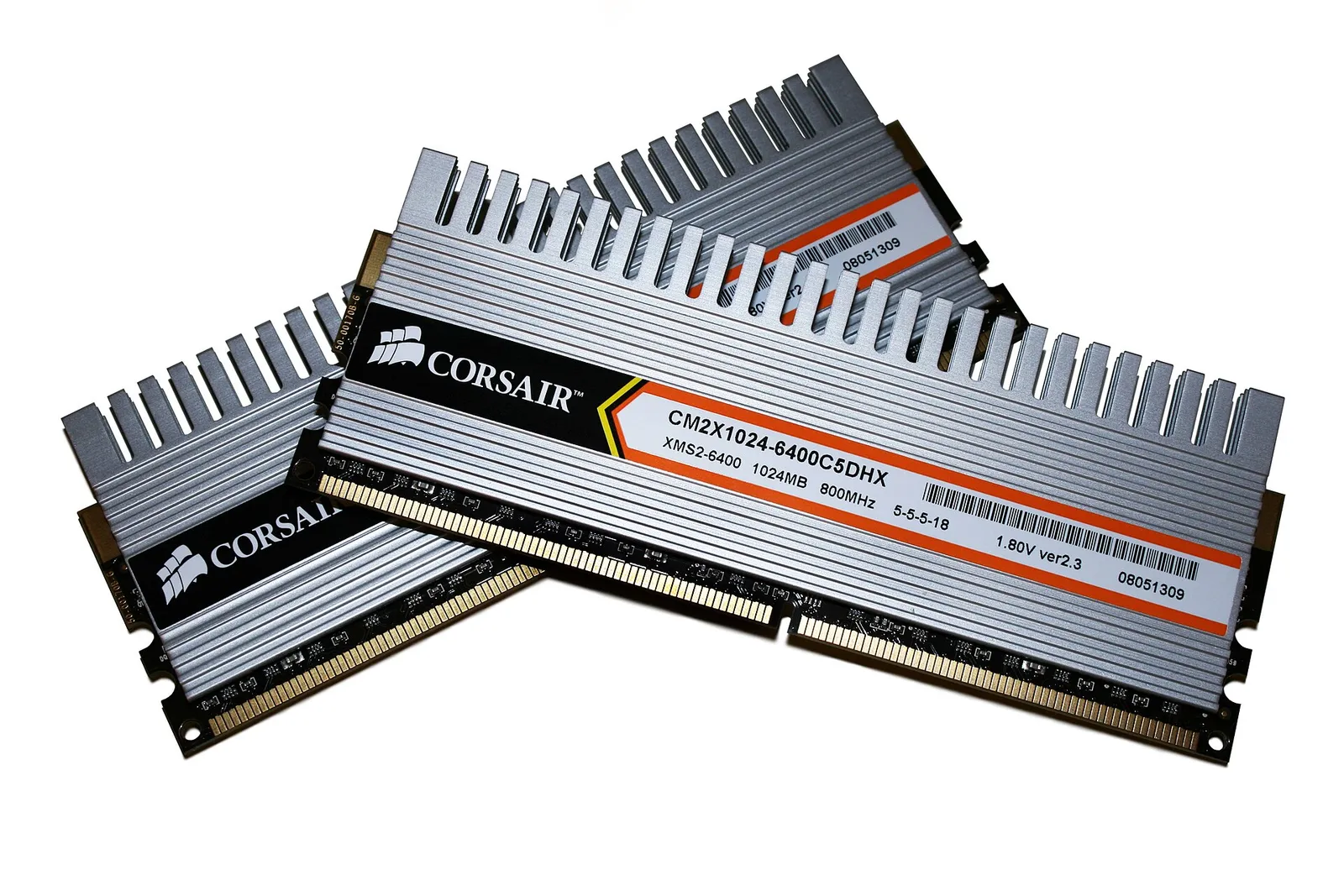
The engine behind the numbers is high-bandwidth memory, or HBM. Ordinary DRAM — dynamic random-access memory, the working memory that holds active data in a laptop or phone — handles everyday computing. HBM is a premium variant that stacks multiple memory chips vertically and wires them together with thousands of tiny connections, letting data move fast enough to keep up with the AI processors made by Nvidia and others. It sits right alongside those processors in the servers that train and run large AI models.
Micron says its entire 2026 HBM output is sold out under fixed-price contracts, and its newest version is ramping at twice the pace of the prior generation, according to Fortune. Micron, South Korea's Samsung and SK Hynix together control roughly 95% of global DRAM production, and Micron is the only major U.S.-based maker — a fact that has drawn Washington's attention as AI hardware becomes a strategic priority.
A stock that whipsawed
The week showed how jumpy sentiment around the AI trade has become. Micron shares fell sharply early in the week as investors retreated broadly from technology stocks, then surged roughly 14% in after-hours trading once the results landed, before giving back about 6% by Friday's close in what CNBC called "a wild week of trading". Even after the swings, the stock was up sharply for the year.
Dan Ives, a senior analyst at Wedbush Securities, said the results showed "the memory and chip trade is well-intact and still in the early stages playing out with the AI Revolution still in the third inning," per Fortune. The optimism reflects how hard it is to add advanced memory capacity quickly, which keeps supply tight and prices firm.
The consumer cost: phones and laptops get pricier
There is a direct trade-off between Micron's record profits and the price of your next device. Every silicon wafer the industry devotes to HBM for AI servers is a wafer it cannot use to make the standard DRAM and NAND flash storage chips that go into consumer electronics. NAND flash is the memory that stores your photos, apps and operating system; like DRAM, it is being squeezed by data-center demand.
Research firm IDC projects that DRAM supply will grow only about 16% this year and NAND about 17%, both below historical norms, as capacity shifts toward AI, according to its analysis. The squeeze is already reaching shelves: IDC expects average smartphone prices to rise 3–8% this year and PC prices 4–8%, and notes that major PC makers including Lenovo, Dell, HP, Acer and ASUS have signaled price increases in the second half of 2026. Memory typically accounts for 15–20% of the parts cost of a mid-range phone, making it one of the biggest single variables device makers face.
Some budget phone makers are responding by cutting back: market researcher TrendForce reported that certain entry-level handsets are reverting to 4 gigabytes of memory, down from the 6 gigabytes that had become standard, as a cost-saving move. IDC cautions that this may not be a quick, cyclical shortage — the structural shift of capacity toward AI could keep memory tight for consumer electronics into 2027.
The upshot for households is simple even if the supply chain is not: the same AI boom lifting Micron's profits is quietly raising the cost of the devices in their pockets.