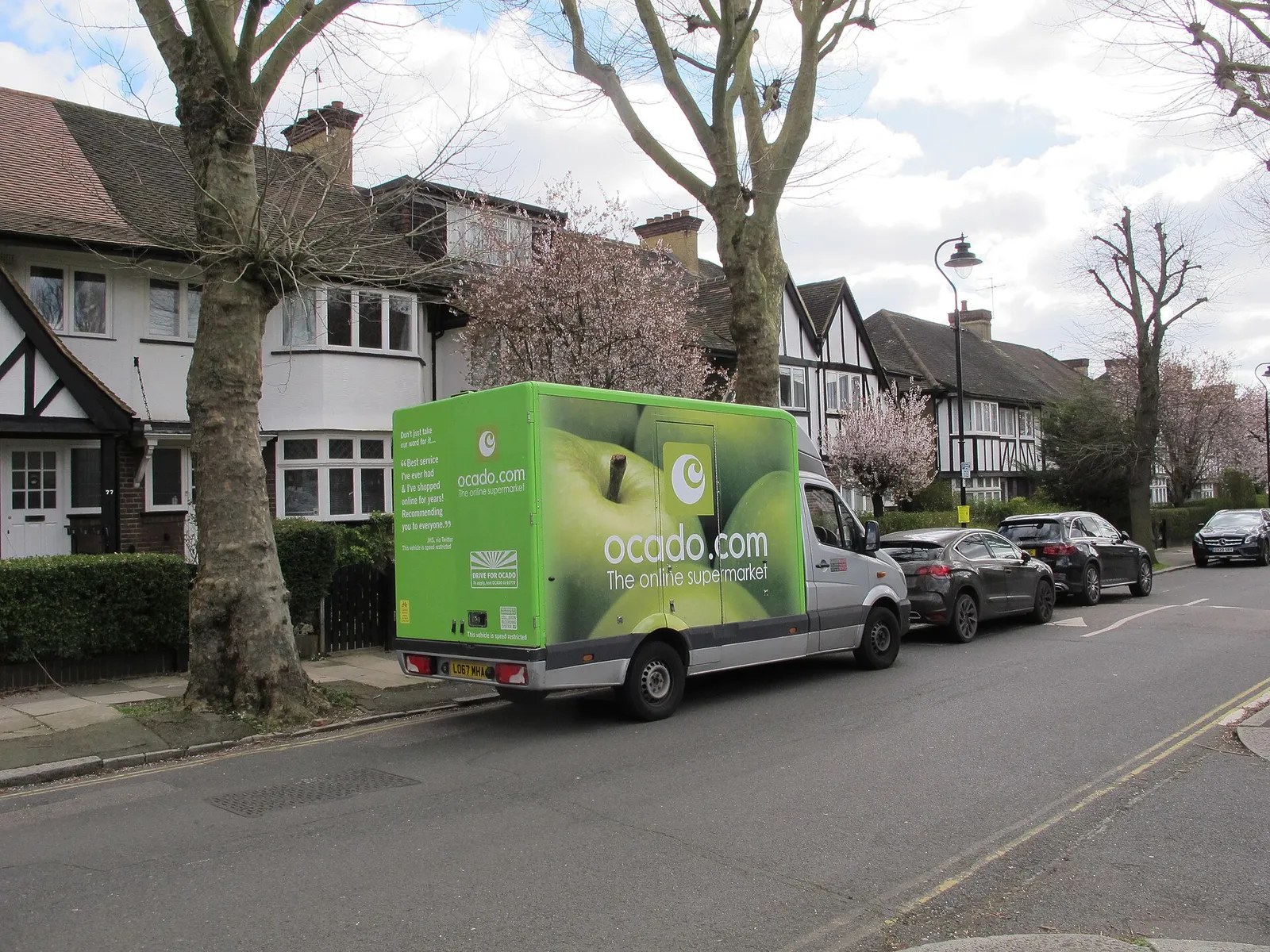
The pay of Ocado boss Tim Steiner is back under the spotlight. The co-founder and chief executive of the British online-grocery and warehouse-robotics company received a package reported at around £59 million in a year when the group posted a record loss — a juxtaposition that has reignited criticism from investors and corporate-governance watchdogs.
Where the money comes from
Most of that figure is not salary. It reflects shares vesting under a long-term incentive plan (LTIP) — a scheme that pays executives in stock if the company hits set targets over several years, meant to tie their reward to shareholder returns. Ocado's base pay for Steiner is a small fraction of the total; the bulk is share awards.
That structure sits on top of a separate, even larger scheme that has drawn fire since 2024. Ocado proposed a "value creation" plan that could pay Steiner up to £100 million over five years — but only if the share price roughly tripled, to £29.69. When the plan went to a shareholder vote, close to a third of votes were cast against it, a sizeable revolt by the standards of UK boardroom democracy, where most pay reports pass with token opposition.
Why it's controversial
The unease comes down to the gap between reward and results. Ocado's shares soared during the pandemic online-shopping boom, peaking above £29, but have since collapsed — down by the order of 90% from that high — as growth slowed and losses mounted. A company paying its founder tens of millions while its stock craters and it loses money is, for many investors, the textbook case of pay decoupled from performance.
Ocado is really two businesses. Its UK retail arm is a 50:50 joint venture with Marks & Spencer — Ocado Retail — that delivers groceries to British homes and has kept growing. The other, Ocado Solutions, is the long-term bet: it licenses the company's warehouse-automation technology — robotic grids that pick groceries at scale — to supermarket chains worldwide, including Kroger in the US, Sobeys in Canada and Coles in Australia. That technology arm is the reason Ocado has long been valued more like a tech firm than a grocer, and the reason it has spent heavily and lost money while building it out.
A leadership change, too
The pay row arrives as Ocado approaches a leadership transition. Reports indicate Steiner is set to be replaced as chief executive, with Niklas Heuveldop, the boss of communications-technology firm Vonage, named as a leading candidate to succeed him. Ocado's shares fell on the news — an ambivalent verdict on the end of the founder's era.
The bigger debate
Ocado's case feeds a wider UK argument about executive pay. Defenders of large packages say Britain must reward the entrepreneurs who build globally significant companies, or risk losing them to the US, where pay runs far higher. Critics counter that incentive schemes designed to align managers with shareholders too often pay out generously even when shareholders have lost money — and that the Ocado saga, where a founder banks tens of millions as the share price falls and losses pile up, is exactly the disconnect that erodes public trust in how the corporate world divides its spoils.