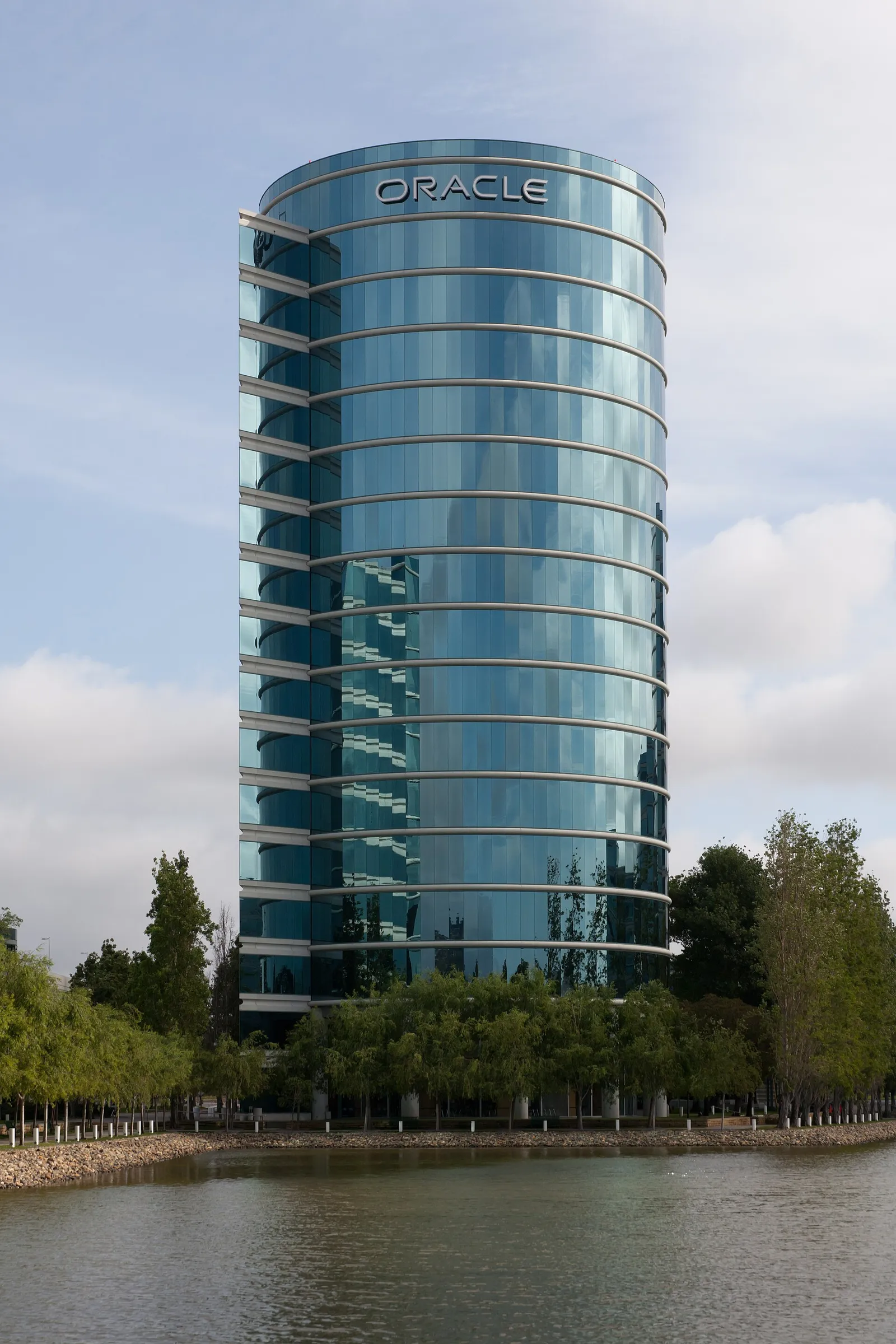
Oracle had its worst week on the stock market since the 2001 dot-com bust, CNBC reported, with the shares falling about 19% over the five sessions. The slide capped a brutal stretch — Benzinga put June's decline at roughly 29%, the worst calendar month in nearly 25 years — and unwound a spring surge that had been built on enthusiasm for the company's artificial-intelligence contracts.
What flipped the mood
The turn came after Oracle's most recent quarterly report. The headline numbers were strong: revenue of about $19.2 billion beat expectations, and revenue from Oracle's cloud-infrastructure business — the rented computing power that AI customers run on — rose 93% from a year earlier, according to Sherwood News. But investors fixed on the spending plan attached to those results, not the beats.
Oracle guided for capital expenditure — capex, the money a company lays out on physical assets like land, buildings and servers — of $90 billion to $95 billion in the coming fiscal year. That is up from $55.7 billion the prior year, itself a 162% jump, Sherwood reported. To help pay for it, the company said it plans to raise roughly $40 billion through a mix of new debt and a $20 billion share sale, on top of heavy borrowing the year before.
The cash-flow gap
The worry is arithmetic. Free cash flow — what is left after operating costs and capital spending — turned sharply negative last fiscal year, swinging to roughly minus $23.7 billion from about break-even a year earlier, per Sherwood. When a company spends far more cash than it brings in, it has to borrow or sell stock to cover the difference, and the interest on that debt compounds while the new data centers are still being built.
That is the specific risk in a debt-funded buildout: the money goes out now, but the revenue only arrives once the data centers are finished, filled with customers and billing them — a process that can take years.
Bookings are huge, but not yet cash
Oracle's defenders point to its backlog — formally, remaining performance obligations, or RPO, a measure of contracted business not yet delivered. That figure has ballooned past half a trillion dollars and jumped several-fold over the year, a sign of enormous future demand. The catch, skeptics counter, is that a backlog is a promise, not a payment: turning it into revenue depends on the data centers running and customers actually using the capacity they reserved, which analysts say can play out over many years. Adding to the unease, analysts estimate a large share of that backlog is tied to a single customer, the AI developer OpenAI — concentrating Oracle's fortunes on one fast-growing but unprofitable partner.
A broader nervousness
Oracle's drop is part of a wider wobble in technology stocks over whether the torrent of AI infrastructure spending will pay off. Oracle came late to the cloud-infrastructure race against Amazon, Microsoft and Google, and bet aggressively to catch up; chairman Larry Ellison has tied its strategy to large U.S. data-center projects. The question the market asked this week was not whether the demand is real, but whether Oracle can fund the buildout without straining its balance sheet — and how long investors must wait for the returns. As always, a sell-off reflects sentiment, not a verdict; what matters next is how quickly Oracle converts that record backlog into cash.