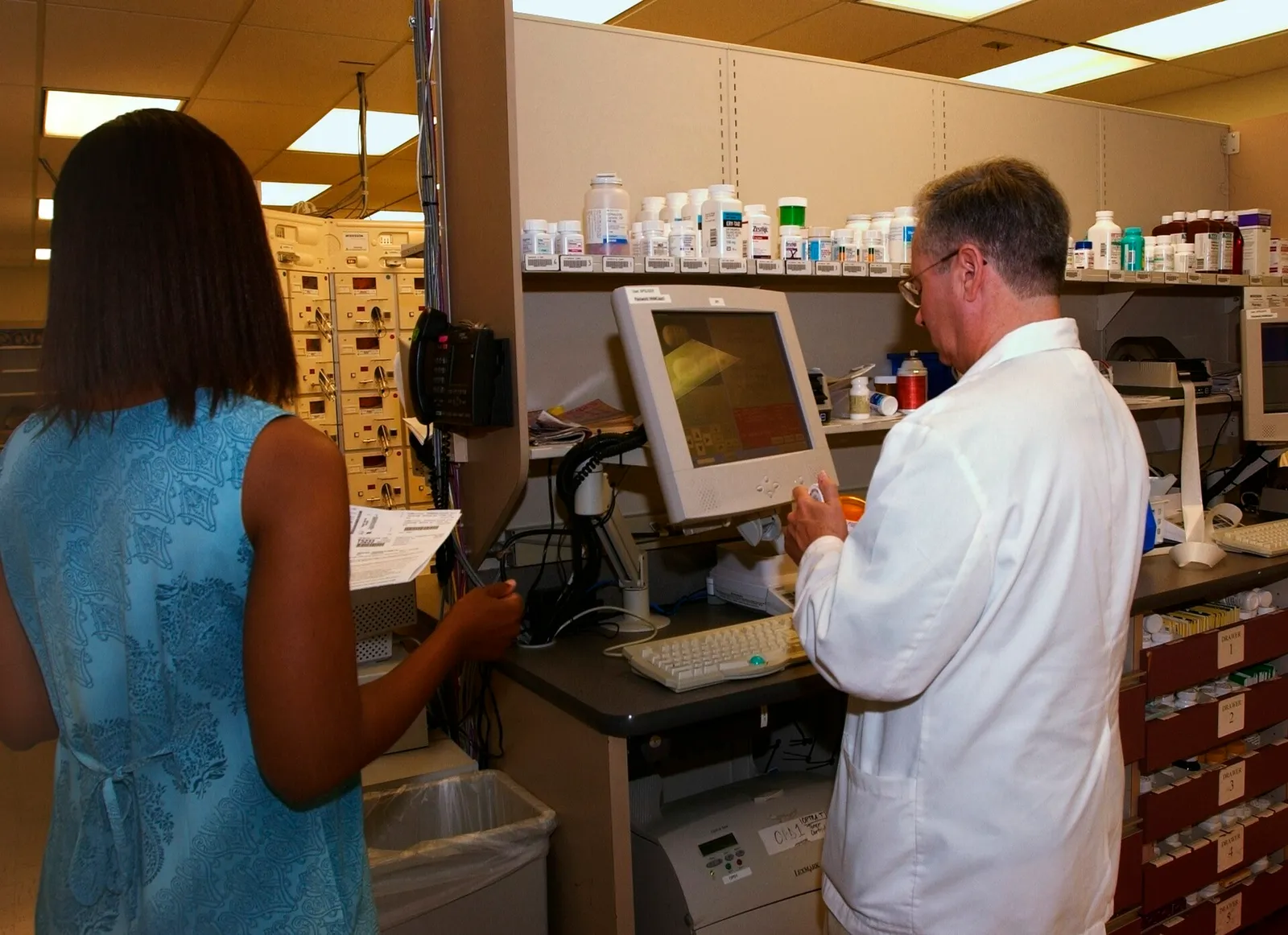
A MarketWatch reader recently described scanning a single QR-code coupon at a Walgreens counter and watching a roughly $600 prescription drop to about $15 — calling it "a medical miracle." The exact figures are that reader's account, but the mechanics behind such a markdown are not miraculous. They run on the same plumbing that sets nearly every U.S. drug price.
The cast: PBMs, copays and deductibles
A few terms make the rest clearer. A pharmacy benefit manager, or PBM, is a middleman that sits between drugmakers, insurers, employers and pharmacies, negotiating what a drug costs and how much a pharmacy gets reimbursed. A copay is the fixed amount your insurance plan asks you to pay for a covered prescription. A deductible is what you must spend out of pocket before insurance starts paying.
How discount cards work
Services like GoodRx and SingleCare are free tools that surface a pre-negotiated cash price. Importantly, the discount company usually does not set the price itself. As Marketplace reported, GoodRx relies on PBMs to negotiate rates with pharmacies, then makes money by taking a cut of a fee the PBM collects from the pharmacy when you use the card. You hand over the coupon instead of — not alongside — your insurance.
That is why the same pill can carry wildly different prices. Pharmacies often set a high "usual and customary" cash price, while PBMs negotiate separate, lower rates for discount-card programs. For many generics the coupon price can fall below an insurance copay.
Manufacturer copay coupons are a different animal. Drugmakers issue them, usually for pricier brand-name drugs, to cover part of an insured patient's out-of-pocket cost and keep them on that brand.
The catches
The savings come with strings.
You usually can't stack a coupon with insurance. It is one or the other per fill. If your copay is lower, use insurance; if the cash coupon is lower, use that.
Coupon spending often doesn't count toward your deductible. Because you are technically paying a cash price, that money may not move you toward your deductible or out-of-pocket maximum. Insurer "copay accumulator" programs make this worse by excluding manufacturer-coupon value from those totals. "Initially, consumers will see savings at the pharmacy counter, but they may end up paying more in the long run," Michelle Long of KFF told KFF Health News.
Manufacturer coupons are generally barred for Medicare and Medicaid. A federal anti-kickback law makes it illegal to give something of value to steer a purchase paid for by a federal health program, which is why people on Medicare Part D typically cannot use drugmaker copay cards, as NPR has reported. Third-party cards like GoodRx are different — but a Medicare enrollee using one is paying outside their Part D benefit, so that spending will not count toward Part D cost protections.
What experts suggest checking
KFF Health News compiled a short consumer checklist: confirm whether your insurance already covers the drug and at what copay; ask whether a cheaper generic exists; and weigh whether you are close to hitting your deductible, where insurance may serve you better over the year. As Georgetown's So-Yeon Kang put it to KFF Health News, "Patients are at the intersection and battle place between these payers and manufacturers."
The practical takeaway is unglamorous but useful: before each fill, compare your insurance copay against the cash coupon price and pick the lower one — while remembering that the cheapest receipt today is not always the cheapest outcome for the year. This is education, not financial or medical advice.