The global race to build AI's hardware is about to get one of its largest single commitments yet — from South Korea.
What's being planned
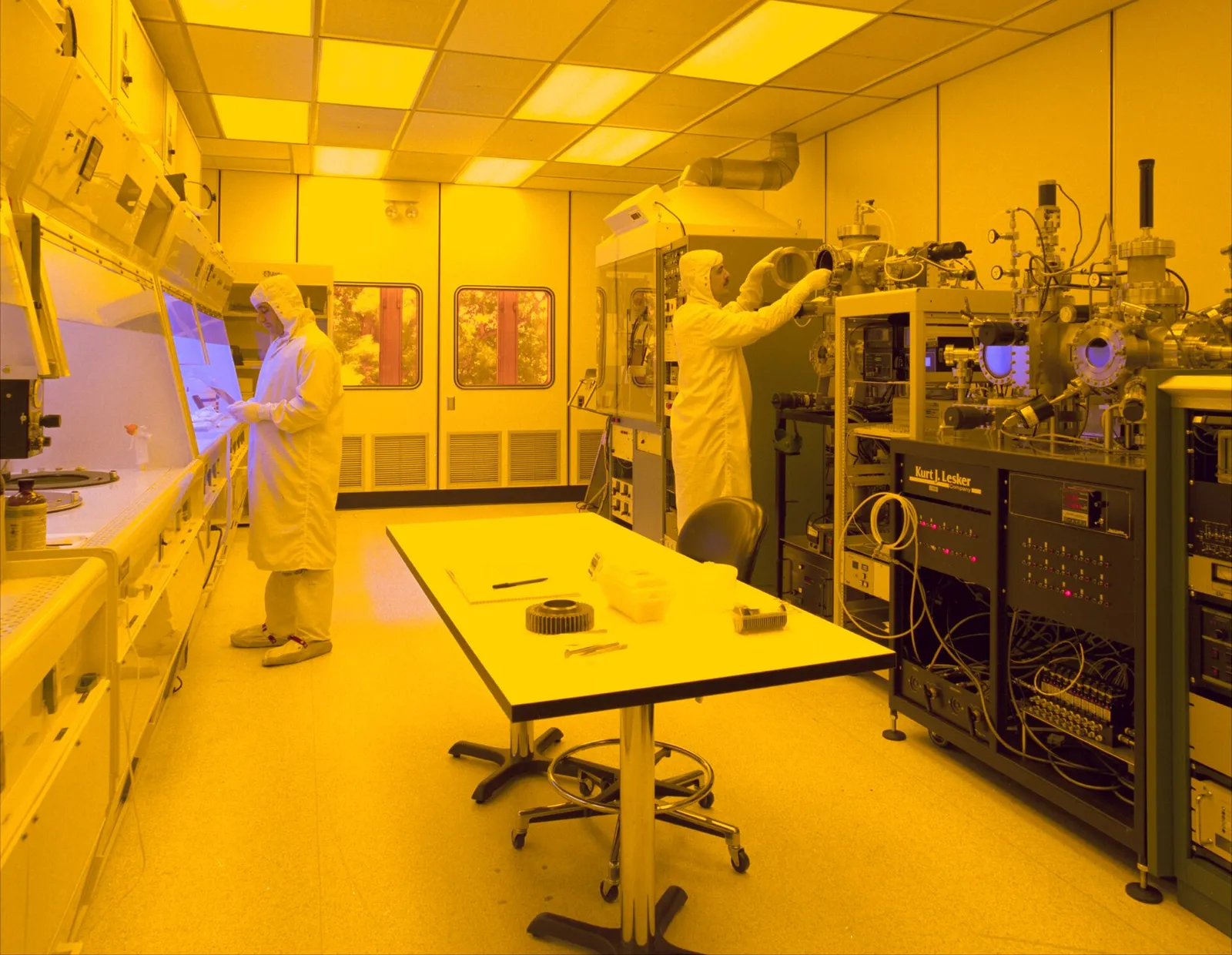
Samsung Group is preparing to announce investments totaling more than 1,000 trillion won (about $648 billion) over roughly the next decade, according to South Korean media reports relayed by Reuters. The money would fund semiconductor factories, AI data centers, batteries and displays, with a reported push of up to 300 trillion won to build chip plants in the country's southwest. The plan is due to be laid out at a meeting with President Lee Jae-myung, alongside investment commitments from rival SK Hynix, per Reuters and Bloomberg.
One important caveat: these are figures from media reports ahead of a formal announcement. Samsung has not officially confirmed the exact numbers, and headline pledges made at such events do not always translate fully into spending. We're reporting the scale and the source — not treating an unconfirmed figure as settled.
Why it's so large
To put $648 billion in perspective: spread over a decade, it would approach half of South Korea's annual economic output and exceed the country's entire 2026 government budget. This is Samsung Group's own commitment, not a government program — though it is being unveiled in coordination with Seoul's push to spread industrial investment beyond the capital region. The government is facilitating, not co-funding, the bulk of it.
The competitive stakes
The timing reflects urgency. In contract chipmaking (the "foundry" business of making chips to others' designs), Samsung has lost ground to Taiwan's TSMC, which holds the large majority of the global market. In high-bandwidth memory (HBM) — the stacked chips that sit beside Nvidia's AI accelerators and are the hottest product in semiconductors — Samsung trails its domestic rival SK Hynix. A decade of heavy spending is Samsung's bid to close both gaps as the AI build-out drives record demand for advanced chips. The company had already flagged a record 110 trillion won ($73 billion) of capital spending for 2026 alone before this longer-term plan surfaced.
What it means
For the chip sector, a commitment of this size signals that the AI hardware cycle is being treated as a decade-long, nation-scale build-out, not a passing boom — reinforcing the same capital-spending wave driving Microsoft, the cloud giants and now Korea's champions. For investors, the questions are execution and timing: Samsung must win major foundry customers on its next-generation process and out-execute SK Hynix in HBM, neither of which is guaranteed, and the payoff is years away. And because the figure is spread across multiple business and technology cycles, plenty can change. The direction, though, is unmistakable: the world's memory and foundry leaders are pouring unprecedented sums into staying that way. We'll update once Samsung confirms the specifics. This is reporting and analysis, not investment advice.